

The numbers on the TV, cell phone, and laptop screen tell a story of undeniable resilience, but the mood on the street tells a story of survival.
Today’s federal labor report revealed the U.S. economy added 162,000 jobs in August, soundly beating expectations and temporarily cooling fears of an imminent crash. Yet, across the country, a distinct paradox is taking hold. Despite data showing a stable 4.1% unemployment rate, everyday citizens report feeling trapped in an economic downturn.
The discrepancy reveals a stark divide between macroeconomic triumph and kitchen-table reality, driven by a shifting corporate landscape and punishing baseline costs for basic survival.
The ‘Low-Hire’ Ghost Town
The chief driver of the current career anxiety is a phenomenon economists call the “low-hire, low-fire” market. While widespread mass layoffs are largely contained, corporations have quietly frozen expansion. Businesses are hoarding their current staff but refusing to add headcount.
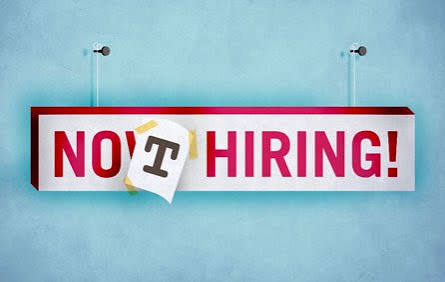
For the millions of Americans attempting to switch careers or enter the market, the environment feels entirely stagnant. Openings are met with an unprecedented deluge of applicants, resulting in prolonged interview cycles, ghosting, and a pervasive sense that opportunities have dried up.
A Tale of Two Economies
The headline growth also masks deep systemic shifts beneath the surface. The 162,000 new positions were not distributed equally; they were heavily concentrated in lower-margin or public-facing sectors like healthcare, hospitality, and education.
Meanwhile, high-wage corporate engines are actively contracting:
The Information & Tech Sector shed a staggering 23,000 roles last month alone.
Financial Activities contracted by 12,000 positions.
Manufacturing continued its multi-month downward trajectory.
For white-collar workers and recent graduates, the contraction in these sectors mirrors the exact conditions of a traditional recession.
The Unforgiving Cost of Living
The main reason macro expansion feels like personal contraction is the relentless pressure on everyday essentials. While core inflation has shown signs of stabilizing, the items that consumers cannot opt out of buying continue to squeeze household budgets tightly:
Shelter and Rent: Rent inflation continues to hover at 3.2%. Housing remains the largest fixed expense for the average household, with lease renewals locking in high rates and eroding any marginal wage gains workers managed to secure this year.
Food and Groceries: The baseline cost to feed a family has not experienced relief. Food inflation sits at 3.0% annually, driven heavily by compounding supply chain pressures. Grocery store shelves remain a primary source of psychological stress for consumers, as prices for key staples stay elevated.

Surging Energy Costs: The most severe sting comes from utility bills and gas pumps. Driven by global volatility, overall energy costs have skyrocketed by 14.7% over the last year. This spike is underpinned by a massive 24.6% year-over-year surge in gasoline prices alongside a 4.2% climb in residential electricity rates, making the basic commute to work a major financial burden.
Cracking the Financial Safety Net
The true depth of consumer distress is most evident in the legal system, where filings associated with severe financial failure are quietly climbing back toward historic highs.
Bankruptcy Surge: Total bankruptcy filings rose 12.2% over the past year. Driven by the expiration of pandemic-era safety nets and expanding consumer debt loads, personal non-business filings ballooned to over 581,000 cases.

Eviction Pressures: Renter protection programs have wound down, leaving millions of tenants exposed to rising costs. Analysts track roughly 3.6 million eviction cases filed in a typical year in America, which equates to a punishing 6% filing rate among renter households. Major metropolitan hubs like Atlanta have registered abnormal highs, logging 144,000 eviction notices over a rolling 12-month window.
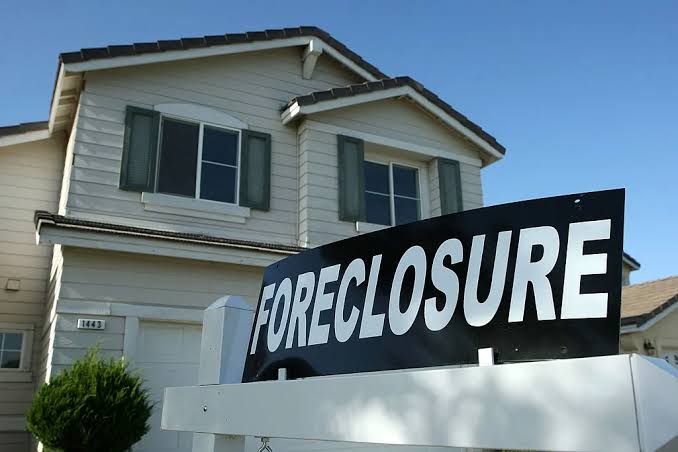
Foreclosures Hit Six-Year High: For those who managed to buy a home, the American dream is proving increasingly difficult to maintain. Spurred by ballooning property taxes, soaring homeowners insurance, and high interest rates that render loan modifications ineffective, national foreclosure filings spiked 21% in the first half of the year. This marks a multi-year high, with bank repossessions jumping significantly in states like Florida, Texas, and California.
The Interest Rate Vice
Compounding this anxiety is the reality that good economic news can trigger bad financial pain for consumers. With the labor market proving sturdier than expected, the Federal Reserve Bank is widely anticipated to raise interest rates once more at its upcoming mid-September meeting to combat sticky 3.4% annual inflation.
As borrowing costs climb, the price of mortgages, car loans, and credit card debt reaches punishing heights. Consequently, even citizens with secure paychecks find their purchasing power severely diminished.
As the country heads into the final stretch of the year, the disconnect remains absolute. The economy, by all formal definitions, is expanding. But for the workers fueling it, survival has rarely felt so expensive.
Check This Out...
-
Wholesale Inflation Prices Shot Up In September: Soaring Gas Prices Lead Business Costs
-
Inflation Rate Accelerates to 3.7%: Energy Prices Lead Jump; Consumers Feel Price Surge With Midterm Election Days Away
-
Not All Vehicle Repossessions Are Legal: What Constitutes An Unlawful Repossession, And What To Do If You Believe It Has Happened To You
-
Automobile Repossessions Remain A Constant As Georgians Endure Mounting Economic Challenges: What You Need To Know As A Consumer: Loan Deferment, Breach Of Peace Explained
-
Labor Market Stalls As U.S. Economy Adds Just 29,000 Jobs in September–Much Lower Than Projected; Unemployment Rises to 4.2%: Voters Head To Polls In Days