
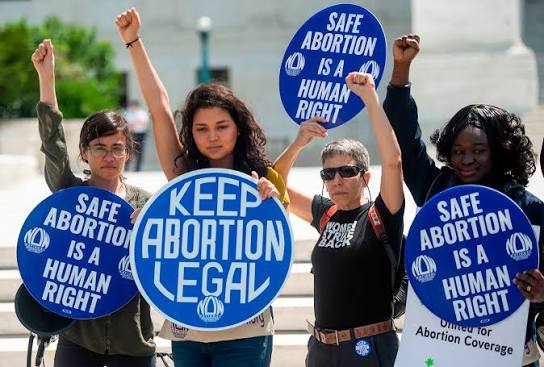
Abortion rights may very well act as a critical turnout driver and down-ballot anchor in the 2026 midterm elections, even as campaigns shift their core messaging to align with dominant economic concerns, some political analysts say.
And though post-Roe political landscape has evolved, reproductive freedom remains a pivotal issue capable of reshaping key congressional, judicial, and state-level races across the country.
Redefining the Campaign Playbook: Linking Healthcare to Affordability
Four years after the Supreme Court’s Dobbs decision, abortion is no longer treated by strategists as an isolated social issue. Ahead of the 2026 midterms, political messaging is adapting to a climate where voters consistently rank the economy and cost of living as their highest priorities.
- The Messaging Shift: Since January 2026, candidate spending on standalone abortion campaign ads has decreased nearly fourfold compared to the same period in 2024.
- The Economic Connection: Advocacy groups like Reproductive Freedom for All are deliberately weaving reproductive healthcare into broader conversations about economic security. Strategists are framing the issue around the rising costs of childcare, maternal care deserts, and the financial burdens imposed by regional healthcare restrictions.
Ballot Measures: Direct Democracy Driving Turnout
Direct citizen initiatives will force the issue into the spotlight, giving Democrats a powerful mechanism to mobilize younger, progressive voters in critical battlegrounds. In response, conservative lawmakers are increasingly utilizing counter-strategies to alter existing protections.
| State | Measure Type & Focus | Political Implications |
|---|---|---|
| Nevada | Question 6: Constitutional amendment to enshrine abortion rights. | Requires a second consecutive passage to take effect; expected to boost competitive down-ballot races. |
| Virginia | Constitutional amendment to guarantee fundamental reproductive freedom. | Puts vulnerable GOP candidates on the defensive in highly competitive legislative districts. |
| Idaho | Reproductive Freedom and Privacy Act Initiative: Statutory roll-back of strict abortion ban. | A rare citizen-led statutory push in a deeply conservative state. |
| Missouri | Amendment 3: Legislatively referred measure to repeal 2024 abortion protections. | A direct Republican effort to reverse previous voter-approved constitutional protections. |
High-Stakes Candidate Clashes and Outside Spending
National battlegrounds and high-profile statewide races are experiencing heavy financial investments from major advocacy groups targeting key federal seats.
- Senate Battlegrounds: In Georgia, Senator Jon Ossoff’s reelection bid centers heavily on highlighting the consequences of strict state bans. Concurrently, anti-abortion groups like SBA Pro-Life America have pledged millions of dollars to flip crucial Senate seats in states like Georgia and Michigan.
- The Texas Showdown: The Senate race between Republican Ken Paxton and Democrat James Talarico has become a primary focal point for reproductive rights groups. Advocates are leveraging high-profile legal battles over medical exceptions to contrast the candidates’ platforms.
- Federal Policy Shadow: Fearing a backdoor federal ban via the potential enforcement of the 19th-century Comstock Act to restrict medication abortion via mail, pro-choice organizations are prioritizing congressional defense.
State Supreme Courts as the Ultimate Arbiters
With federal protections gone, state supreme courts have become the primary battlegrounds for interpreting abortion access, forcing judicial elections into the political mainstream.
- Judicial Campaigning: Candidates for high courts in states like Wisconsin and Georgia are explicitly running on their judicial philosophies regarding reproductive autonomy and government overreach.
- Electoral Program Expansion: Civil liberties organizations, including the ACLU, have launched their largest-ever midterm electoral programs to educate voters on judicial candidates’ records, capitalizing on recent successes where court majorities dismantled historic bans.
Check This Out...
-
Around 10,000 Children Are In Need Of A Loving, Safe Home In Georgia: Here’s How You Can Become A Foster Parent Or Adopt A Child
-
Happening Today: Hip Hop Icons And East Point Legends Outkast Launch Merch With Waffle House, Host Collab Drop At Centennial Olympic Park Restaurant At 11 A.M.
-
PINK RIBBONS AND PERSONAL JOURNEYS: OCTOBER MARKS GLOBAL BREAST CANCER AWARENESS MONTH
-
The Taste Of Survival: Chitterlings Came Out Of Necessity But Managed To Become A Soul Food Delicacy: The Story Of The “Chitlin” Plate–And Who Still Eats Them Today
-
Hispanic Heritage Months Begins This Week: Events And Celebrations Run From September 15 To October 15: South Fulton Features “México en el Corazón” Tour At Wolf Creek Sunday + More