
No More Scratching: The Homeowner’s Guide to Evicting Attic Squirrels & Raccoons
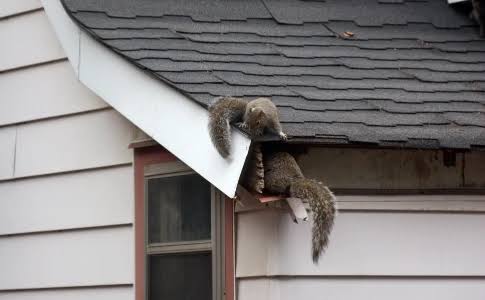
Metro Atlanta has one of the most plush tree-lined landscapes in America, but with an abundance of trees comes added risk: Tree collapses, falling branches, and squirrels, raccoons and other wildlife intruding into your home. So that scratching, rumbling noise you’ve been hearing just might be a squirrel or raccoon.
The most effective and humane way to get squirrels and raccoons out of your attic is to locate all their entry points, seal every opening except one, and install a one-way exclusion door. This specialized device allows the animals to exit safely to look for food but bars them from stepping back inside. While they may look cute outdoors, finding rodents or larger wildlife inside your roof poses a major hazard. They chew through wooden structural beams, tear up costly insulation for nesting material, and gnaw on electrical wiring, creating dangerous fire hazards.
Safety comes first. While squirrels don’t generally attack people, raccoons can be extremely defensive animals. They can also carry dangerous diseases like rabies. If you believe you have a rodent problem that you cannot address on your own, then skip these steps and call a professional rodent removal service immediately.
Otherwise, if you believe you may have a squirrel or raccoon problem, and are able to safely address it yourself, here’s what to do to take back control of your home.
Step 1: Inspect and Identify Entry Points
Squirrels can squeeze through spaces as small as a baseball, while raccoons need an opening roughly the size of a softball. Before choosing a strategy, you must perform a thorough exterior and interior inspection.
Look for common structural weak points: Check roof vents, construction gaps, chimney caps, fascia boards behind gutters, and areas where different rooflines meet. Raccoons will often rip open soffits or damaged roof shingles to force their way in.
Spot daylight inside the attic: Turn off your attic lights during daytime hours to see where exterior light leaks through gaps.
Listen for activity clues: Listen closely to determine what you are dealing with. Gray squirrels are diurnal (active during the day), while flying squirrels and raccoons are nocturnal (active at night). Raccoons also make heavier thumping, walking, and vocal growling or crying noises.
Step 2: Check for Nests and Babies
Timing your eviction is critical because both squirrels and raccoons use attics as safe nurseries to raise their young.
Do not trap a mother inside: If you trap or exclude a mother, she will violently rip up your roof or drywall from the outside to reach her young, causing massive property damage.
Look for signs of hidden litters: Check dark corners for shredded insulation, leaves, and twigs. Raccoon nests are usually larger and accompanied by a specific latrine area where they repeatedly drop waste.
Wait out the growth cycle: If you find flightless babies, wait until they are old enough to leave the nest voluntarily. For raccoons, this takes about 8 to 10 weeks. Alternatively, hire professional services like those listed on AAAnimal Control to carefully remove the young by hand.
Step 3: Install a One-Way Exclusion Door
Live-trapping or relying on chemical deterrents rarely solves a wildlife issue permanently. An exclusion door offers a reliable, low-stress remedy.
- Seal peripheral entrances: Securely patch all minor access holes first using heavily woven 1/4-inch galvanized steel wire mesh (hardware cloth). Use heavy-gauge steel for raccoons, as they can easily rip through flimsy plastic mesh, expanding foam, or rotted wood.
- Mount the exit device: Fix a commercial one-way excluder door or an extruder sleeve right over the main, most active entry point. Ensure the door size matches the animal; a raccoon requires a much larger, heavy-duty bypass door than a squirrel.
- Bait the outer edge: Spread a spoonful of peanut butter or marshmallow right outside the spring-loaded gate to encourage the animals to step through.
Step 4: Clean Up and Sanitize
Once you stop hearing running or scratching noises above your ceilings, confirm your success by taping a loose sheet of newspaper over the main hole. If the paper stays untouched for several days, the attic is vacant and safe to close permanently with sheet metal or heavy mesh.
- Remove hazardous bio-waste: Put on gloves and an advanced respirator mask before cleaning to protect yourself from airborne pathogens. Raccoon feces can carry dangerous roundworm parasites that are harmful to humans and pets.
- Deodorize pheromone trails: Clear away soiled insulation, feces, and food remnants. Use an enzymatic cleanser to wipe out urine tracking odors, which would otherwise guide new pests straight back to your roof line.
How to Prevent Future Break-ins
Maintaining a defensive barrier around your roof is the easiest way to prevent a repeat infestation. According to resource guidelines provided by The Spruce, you should prune all overhanging tree limbs back at least 6 to 8 feet away from your roof shingles to break their jump path. Keep your patio spaces free of easy snacks by choosing squirrel-proof bird feeders, fastening secure bungee cords over your outdoor garbage cans, and bringing pet food dishes inside before dark.
Check This Out...
-
Outkast And The Atlanta Falcons Team Up For New Merchandise Launch In Celebration Of Outkast’s 30th Anniversary Of The Supertar Duo’s Sophomore Album, “ATLiens”
-
Up To 55% Of Americans Turn To YouTube For Do-It-Yourself Home Repair Tips: Research
-
The Comforting History of Georgia’s Southern Fried Peach Pie: Not Talked About As Much Anymore, But Still A Treat + Recipe
-
Fall Is 3 Just Weeks Away: Tips To Get Your Home Ready For The Coming Season
-
Finding Love—And Even Friends With Benefits–On Social Media Is Growing More Popular, Giving Dating Apps Competition