
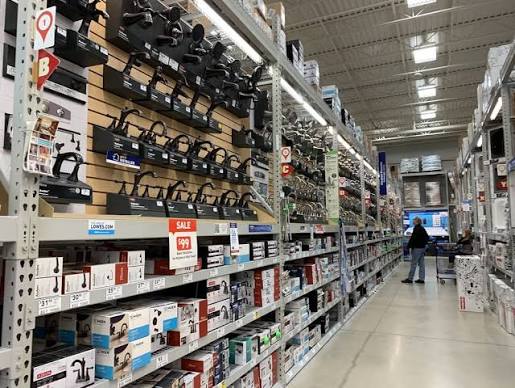
The traditional hardware store experience is undergoing a quiet, smartphone-fueled revolution. Recent consumer data reveals that tens of millions of American homeowners are no longer just bypassing professional tradespeople for do-it-yourself (DIY) fixes—they are also sidestepping the orange- and blue-vested retail associates who once guided them through the aisles, opting instead for the expertise of online video creators.
With roughly 85% of U.S. adults routinely using YouTube, the platform has evolved from an entertainment hub into America’s primary home improvement apprenticeship program. Industry tracking shows that 75% of Americans attempt DIY home projects, with 43% to 55% of homeowners naming YouTube as their ultimate authority before tackling a project.
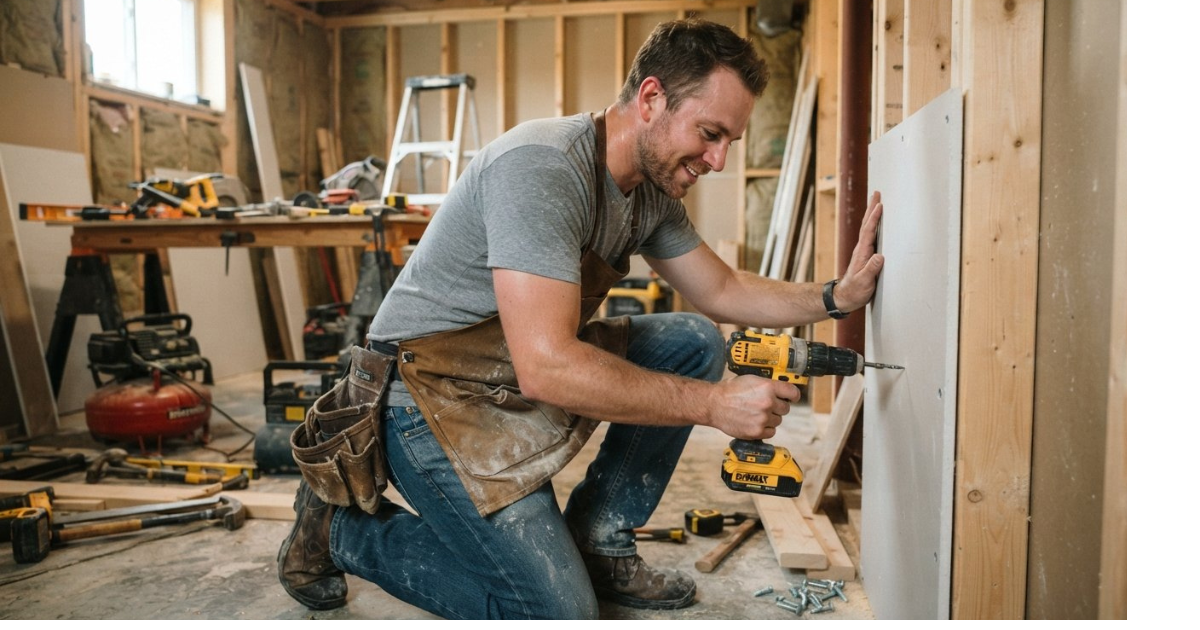
This digital migration has profoundly shifted consumer behavior inside major home improvement chains. Where shoppers once walked into a store seeking an associate to explain how to sweat a pipe or wire a three-way switch, today’s buyers arrive with a 4K video already buffered on their phones. Market research highlights that up to 92% of DIYers strongly prefer visual video tutorials over written instruction sheets, a preference that has translated directly onto the retail floor.
“The classic retail dynamic of asking an aisle associate for project advice is fading fast,” says home repair industry analyst Ed Collingwood. “Shoppers are walking straight past the help desks. They use store apps to locate the exact aisle and bay for a part, grab what they need, and consult a YouTube creator propped up on a shelf to verify they have the right components. The phone has replaced the staff.”
This behavioral shift is partly a response to changing retail realities. As big-box stores lean into automated inventory and streamlined staffing, finding a highly specialized, veteran tradesperson on the sales floor has become increasingly difficult. YouTube filled this gap by offering immediate access to hyper-specific niche channels. Whether it is a homeowner watching Jeff Patterson’s Home Repair Tutor to master grout cleaning or a driveway mechanic streaming specialized automotive tips to replace a rusted alternator, video platforms provide a level of granular, step-by-step nuance that a brief conversation in a store aisle simply cannot match.

Economic pressures continue to accelerate this trend. With persistent inflation and elevated interest rates deterring households from taking out debt for massive renovations, consumer spending has heavily shifted toward smaller, targeted maintenance fixes. Retailers are noticing the data: firms like Chicago-based Circana have tracked multi-year consecutive growth in self-service categories like automotive hand tools, motor oil, and filters, proving that cost-conscious buyers are actively taking routine care into their own hands.
However, industry experts and safety advocates urge a baseline of caution. While a 10-minute video can seamlessly guide a homeowner through an aesthetic upgrade or a basic appliance patch, it does not replace the years of code compliance and safety training held by licensed professionals. Misinterpreting a tutorial on complex electrical or structural work can turn a budget-saving DIY project into an incredibly expensive hazard.
However, for the vast majority of Americans, the digital workbench is here to stay—saving billions in aggregate labor fees, one view at a time.
Check This Out...
-
The Comforting History of Georgia’s Southern Fried Peach Pie: Not Talked About As Much Anymore, But Still A Treat + Recipe
-
Fall Is 3 Just Weeks Away: Tips To Get Your Home Ready For The Coming Season
-
Finding Love—And Even Friends With Benefits–On Social Media Is Growing More Popular, Giving Dating Apps Competition
-
Are Home Warranty Plans Worth The Cost?
-
Cleaning Out The Basement Could Fetch You Dollars: Forgotten Household Items That Could Be Worth Serious Money