
The Federal Reserve on Wednesday unanimously raised its benchmark interest rate by 25 basis points, lifting the federal funds rate to a target range of 3.75% to 4%. The historic 12-0 vote marks the central bank’s first rate increase in over three years, serving as a dramatic monetary policy pivot under recently appointed Fed Chair Kevin Warsh.
The decision sent immediate shockwaves through the financial sector, contributing to an 800 plus-point drop at one juncture in the Dow Jones Industrial Average shortly after the announcement.
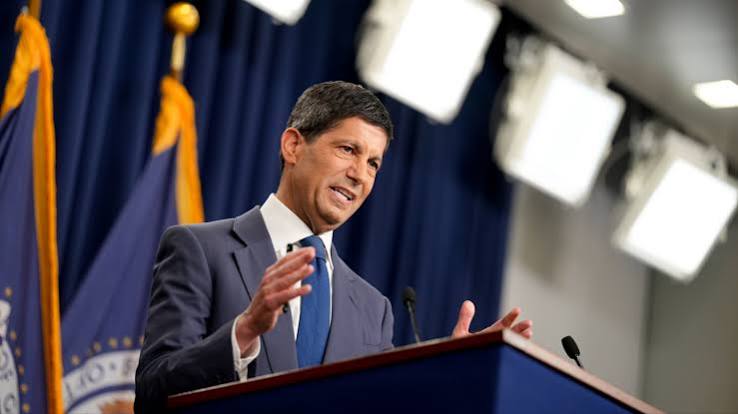
The aggressive shift comes as policymakers confront stubborn, five-year inflation pressures, recently exacerbated by geopolitical conflict in the Middle East that has driven average domestic gas prices above $4 per gallon. “Inflation remains elevated,” the Federal Open Market Committee (FOMC) noted in its official statement. In a post-meeting press conference, Chair Warsh struck a firm tone, stating that inflation has been “too high for too long” and asserting that policymakers “have no tolerance for persistently elevated inflation”.
For Georgia residents, this national macroeconomic clampdown will hit close to home, translating directly to sharply higher borrowing costs on credit cards, mortgages, and auto financing, alongside a silver lining of rising yields for local savers.
Credit Card and Auto Loan Spikes Hit Home
The Fed’s tightening cycle will rapidly squeeze the budgets of Peach State consumers carrying short-term debt. Because the vast majority of credit cards utilize variable interest rates tied directly to the commercial prime rate, Georgia cardholders will observe higher Annual Percentage Rates (APRs) within one to two billing cycles.

For households already navigating a 3.4% annual increase in cost-of-living expenses, this change will immediately drive up monthly minimum payments on revolving balances.
The cost of purchasing a vehicle in Georgia is also climbing. Local dealerships from Atlanta to Savannah are expected to adjust their financing packages to reflect the higher cost of capital. With auto loan rates tracking higher, buyers will face larger monthly obligations, effectively increasing the total lifetime cost of vehicle ownership and forcing some lower-income buyers out of the market entirely.
Georgia Housing Market Braces for Cooling Effect
Perhaps no sector in Georgia will feel the friction more acutely than real estate. Ahead of the Fed’s formal announcement, anticipation of a tighter monetary policy had already caused the benchmark nationwide 30-year fixed-rate mortgage to surge to an average of 6.9% APR.
Prospective Buyers: This steep rate environment severely restricts purchasing power. In highly competitive Georgia housing hubs like metro Atlanta, Alpharetta, and Savannah, home buyers will find their monthly financing budgets squeezed, which experts predict will cool demand and slow down home price appreciation.
Current Homeowners: Residents locked into fixed-rate mortgages are entirely safe from this specific hike. However, those holding Adjustable-Rate Mortgages (ARMs) or homeowners looking to tap into their equity via Home Equity Lines of Credit (HELOCs) must brace for substantial payment resets in the coming months.
A Silver Lining for Savers
While borrowers face headwinds, Georgia savers stand to benefit from the Fed’s aggressive stance. In tandem with the baseline rate increase, local commercial banks, regional credit unions, and online platforms are expected to gradually increase yields on high-yield savings accounts and Certificates of Deposit (CDs).
Financial planners across the state note that for residents with healthy cash reserves, this environment presents an optimal window to lock in guaranteed, higher returns on fixed-term CDs before broader economic or labor market conditions shift.
More Economic Tightening Ahead?
The financial squeeze may not be over for Georgians. Alongside the rate hike, the Fed released its updated Summary of Economic Projections. A strong majority of committee members—12 out of 18—indicated that at least one more 25-basis-point rate hike will likely be necessary before the end of the year, which would push the benchmark interest rate to an average target of 4.125%.
The central bank’s updated forecasts show that officials expect inflation to remain sticky, projecting a median Personal Consumption Expenditures (PCE) inflation rate of 3.7% for the year, with a gradual return to their 2% target delayed until 2029.
Check This Out...
-
Wholesale Inflation Prices Shot Up In September: Soaring Gas Prices Lead Business Costs
-
Inflation Rate Accelerates to 3.7%: Energy Prices Lead Jump; Consumers Feel Price Surge With Midterm Election Days Away
-
Not All Vehicle Repossessions Are Legal: What Constitutes An Unlawful Repossession, And What To Do If You Believe It Has Happened To You
-
Automobile Repossessions Remain A Constant As Georgians Endure Mounting Economic Challenges: What You Need To Know As A Consumer: Loan Deferment, Breach Of Peace Explained
-
Labor Market Stalls As U.S. Economy Adds Just 29,000 Jobs in September–Much Lower Than Projected; Unemployment Rises to 4.2%: Voters Head To Polls In Days