
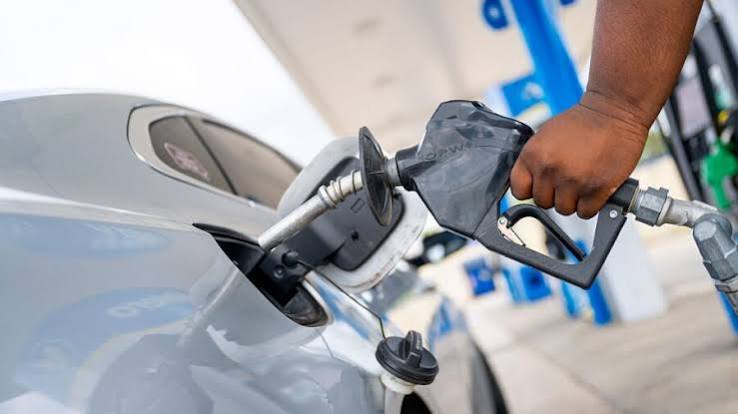
Consumer prices accelerated sharply last month as a massive global energy spike ended months of steady cooling, complicating the economic narrative for Republican lawmakers just weeks before the critical November 2026 midterm elections.
The Consumer Price Index (CPI) jumped 3.7% in September 2026 compared to a year earlier, up significantly from the 3.4% annual rate recorded in August, the Bureau of Labor Statistics reported Wednesday morning. On a month-over-month basis, prices rose 0.6%, marking the largest single-month increase in five months.
Energy Spike Drives Headline Surge
The sudden acceleration in inflation was almost entirely driven by an energy sector roiled by global geopolitical tensions.
Pump Prices: The broader energy index surged 5.2% in September alone. Gasoline prices skyrocketed 9.1% for the month, accounting for more than half of the total increase in headline inflation. Year-over-year, pump prices are up a staggering 34.2%.
Heating and Fuel: Fuel oil costs continued a devastating upward trajectory, posting a 74.2% annual surge as supply lines remain heavily strained.
The Food Cushion: Grocery bills provided an unexpected though tiny bright spot for household budgets. Food prices remained completely flat month-over-month, ticking down to a manageable 2.5% annual rate.
Core Inflation Proves Sticky
Wall Street analysts and political pollsters were equally alarmed by “core” inflation, which strips out volatile food and energy costs to measure underlying economic trends.
Annual core CPI nudged upward to 2.6% in September, up from 2.4% in August and landing ahead of the 2.5% consensus forecast. A 3.2% annual increase in shelter and housing costs kept core metrics sticky, proving that price pressures are still embedded deep within the domestic service economy.
| Category / Indicator | Monthly Change (Sept 2026) | Annual Change (YoY) |
|---|---|---|
| Headline CPI | +0.6% | 3.7% |
| Core CPI | +0.3% | 2.6% |
| Gasoline | +9.1% | 34.2% |
| Shelter | N/A | 3.2% |
| Food | 0.0% | 2.5% |
Fed Policy and Voter Sentiment
The worse-than-expected data immediately rippled through Wall Street, sending stock futures tumbling and Treasury yields surging on Wednesday morning.
With both headline and core metrics drifting further away from the Federal Reserve’s 2.0% long-term target, economists warn that central bank officials may be forced to raise interest rates once more before the end of the year. For voters already feeling squeezed, the prospect of prolonged high borrowing costs alongside re-accelerating prices creates a challenging psychological backdrop as they head to the polling booths.
A Political Flashpoint for Candidates
The sudden burst in inflation lands at the worst possible time for incumbent politicians. With control of both the House and the Senate up for grabs next month, this morning’s data hands immediate ammunition to opposition campaigns looking to weaponize the cost of living at the ballot box.
Campaign strategists warn that while high-level macroeconomic debates rarely sway undecided voters, the tangible pain of expensive gas and rising rent acts as a powerful motivator on Election Day. Candidates in tightly contested battleground districts are already pivoting their closing arguments, either defending the Trump administration’s broader economic investments or hammering away at persistent household financial pain.
Check This Out...
-
Wholesale Inflation Prices Shot Up In September: Soaring Gas Prices Lead Business Costs
-
Not All Vehicle Repossessions Are Legal: What Constitutes An Unlawful Repossession, And What To Do If You Believe It Has Happened To You
-
Automobile Repossessions Remain A Constant As Georgians Endure Mounting Economic Challenges: What You Need To Know As A Consumer: Loan Deferment, Breach Of Peace Explained
-
Labor Market Stalls As U.S. Economy Adds Just 29,000 Jobs in September–Much Lower Than Projected; Unemployment Rises to 4.2%: Voters Head To Polls In Days
-
Could A Legislative HOA Bill Make California Even More Expensive To Live? Real Estate Groups And Consumer Advocates Claim Bill Designed To Lower Housing Costs Will Instead Raise Them