
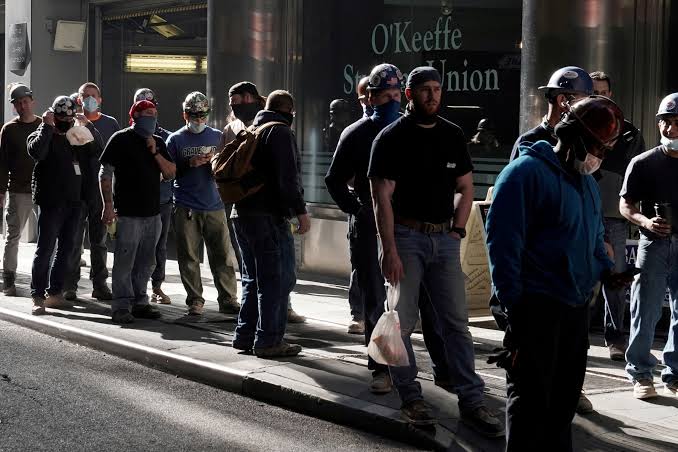
The American labor market slowed to a crawl in September, presenting a severe economic challenge for the White House a little more than four weeks before the midterm elections. U.S. employers added a meager 29,000 nonfarm payroll jobs last month, a figure that represents just a fraction of the 84,000 to 90,000 positions Wall Street analysts had projected.
According to data released Friday by the U.S. Bureau of Labor Statistics, the unemployment rate ticked up to 4.2% from 4.1% in August. The massive job miss, compounded by hefty downward revisions to July and August data totaling 60,000 fewer jobs than previously reported, paints a stark picture of an economy where corporate hiring has effectively ground to a halt.
For millions of Americans heading to the polls for early voting and Election Day in November, the cooling labor market arrives alongside a persistent cost-of-living crisis. While the hiring freeze takes hold, inflation continues to outpace worker earnings. Average hourly earnings edged up by just 0.1% in September, bringing the year-over-year wage growth to 3.0%. However, consumer prices remain stubbornly high, running at an annual clip of 3.4%. This marks the fifth consecutive month that wage gains have lagged behind the rising cost of everyday goods.
The compounding pressures of eroded purchasing power and a stalling job market are heavily weighing on electorate sentiment. Recent public opinion polling reveals that inflation and overall affordability have consolidated as the paramount issues for voters nationwide. Rising energy and grocery bills, exacerbated by the months-long conflict with Iran that drove a 40% spike in gas prices earlier this year, have left a large majority of the public expressing deep anxiety over their financial security.
The data triggered immediate turmoil on Wall Street, where U.S. Treasury yields plummeted. Investors quickly adjusted their expectations, betting that the Federal Reserve will be forced to pause its recent campaign of interest rate hikes to prevent the stagnant labor market from fracturing further.
Check This Out...
-
Wholesale Inflation Prices Shot Up In September: Soaring Gas Prices Lead Business Costs
-
Inflation Rate Accelerates to 3.7%: Energy Prices Lead Jump; Consumers Feel Price Surge With Midterm Election Days Away
-
Not All Vehicle Repossessions Are Legal: What Constitutes An Unlawful Repossession, And What To Do If You Believe It Has Happened To You
-
Automobile Repossessions Remain A Constant As Georgians Endure Mounting Economic Challenges: What You Need To Know As A Consumer: Loan Deferment, Breach Of Peace Explained
-
Could A Legislative HOA Bill Make California Even More Expensive To Live? Real Estate Groups And Consumer Advocates Claim Bill Designed To Lower Housing Costs Will Instead Raise Them