
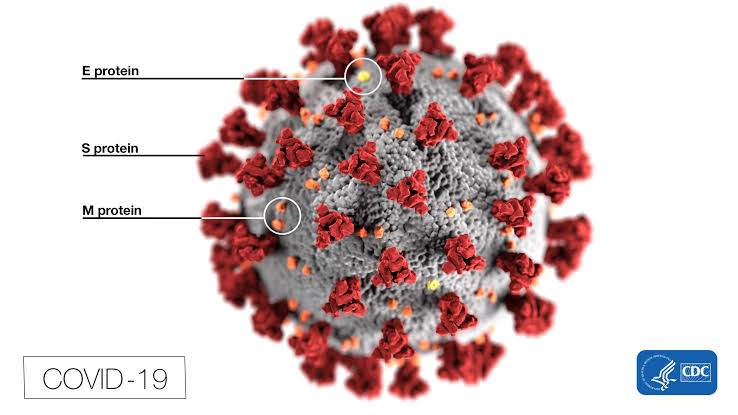
According to the latest data from the Centers for Disease Control and Prevention (CDC), viral infections are estimated to be growing or likely growing in 43 states. While overall baseline numbers remain significantly lower than historic pandemic-era peaks, health agencies report a steady increase in emergency department visits and community viral transmission.
Southern States See Viral Uptick
Data from the infectious disease-monitoring platform WastewaterSCAN Dashboard highlights a distinct concentration of high viral activity across the Western and Southern U.S..
Georgia Trends: The state is currently categorized under low-to-moderate community transmission growth, shifting out of the “very low” baseline seen earlier this spring.
National Numbers: Across the country, emergency room visits tied to COVID-19 rose from 0.1% to 0.3% over the last several weeks.
Hospital Impact: Weekly laboratory-confirmed COVID-19 hospital admissions nationwide are projected to reach approximately 2,300, a moderate increase from the 1,700 admissions recorded at the start of the month.
Epidemiologists attribute the current spike to a combination of heavy summer travel, indoor crowding due to high heat, and declining community immunity.
Public health experts express concern over historically low booster absorption. CDC data reveals that only 17.5% of American adults received the most recently updated vaccine dose. This widespread lack of recent immunization, combined with the natural mutation of the virus, has left the population highly susceptible to seasonal bumps.
Despite the rising numbers, health officials emphasize that the current strain on healthcare infrastructure is manageable and heavily controlled compared to prior waves.
The primary recommendation from health authorities is for individuals to stay up to date on vaccinations, which remain available at local providers such as CVS Pharmacy. Those experiencing respiratory symptoms are urged to test at home and stay isolated to slow community spread.
In Metro Atlanta, local health data and wastewater monitoring reveal that COVID-19 transmission is experiencing a moderate, heat-driven summer climb matching regional trends. While overall acute respiratory illnesses causing people to seek healthcare remain low, intensive regional monitoring across the metro area confirms the virus is actively circulating through local communities.
Wastewater Signals Confirm Transmission
Because clinical case reporting heavily lags behind environmental data, public health agencies rely on sewage testing to track local spikes. The Georgia National Wastewater Surveillance System (GA NWSS) and the WastewaterSCAN Dashboard actively track the virus at key reclamation facilities across core metro counties:
City of Atlanta: Monitoring at the R.M. Clayton Water Reclamation Center reflects an upward curve in viral shed over the last several weeks.
Metro Wastewater Results: Samples from major processing hubs—including the Johns Creek Environmental Campus, Big Creek facility, and Little River facility—show parallel low-to-moderate baseline increases.
Pre-Event Scaling: State health officials have notably expanded wastewater testing frequency across 26 counties ahead of upcoming high-profile regional events to catch any sharp, undetected viral movement early.
Local Heat and Movement Drive the Spike
Epidemiologists from the Georgia Department of Public Health (DPH) point to a distinct seasonal pattern in Atlanta. Sweltering summer heat throughout August forces millions of residents into air-conditioned indoor spaces, which significantly accelerates close-contact transmission.
Furthermore, high travel volumes through Hartsfield-Jackson Atlanta International Airport have sustained a steady stream of re-introductions of the virus into surrounding suburbs like Fulton, Gwinnett, Cobb, and DeKalb counties.
Healthcare System Response
Unlike the intense strain felt during historic waves, Metro Atlanta’s healthcare systems are experiencing highly manageable conditions. Emergency room visits for respiratory symptoms are only creeping up in small fractions, and severe illness requiring ICU admission remains rare for patients who are generally healthy.
Local health centers, including the Fulton County Board of Health, continue to offer diagnostic resources and updated vaccines to help residents maintain immunity ahead of the fall season.
Check This Out...
-
A New Hospital Is Planned For Metropolitan Parkway: Announcement Comes A Few Years After Controversial Closures Of Medical Facilities On Boulevard And East Point
-
Woman Arrested After 17 Years On The Run Over A Mother’s Death After Unlicensed Buttocks Injection: Case Underscores Danger Of Cosmetic Procedures Done By Unlicensed Practitioners
-
How To Avoid A Brown Recluse Spider Bite
-
Where Is American Society And Medicine Today In The Fight Against Alzheimer’s?
-
Unvaccinated Measles Case In Metro Atlanta Sparks Concern In East Point + How To Recognize Symptoms