

As summer temperatures linger, local pest control experts are urging residents to take proactive measures against one of the region’s most reclusive neighbors: the brown recluse spider.
Unlike aggressive pests, the brown recluse (Loxosceles reclusa) seeks out dark, undisturbed areas and typically bites only when trapped against human skin. Experts note that simple, daily habits are the most effective shield against these encounters.
An exact number of actual brown recluse bites is impossible to determine, but poison control centers across the United States typically receive between 1,300 and 1,500 reported cases per year. However, arachnologists and medical experts emphasize that the true number of actual bites is significantly lower because at least 80% of reported brown recluse bites are misdiagnoses.
The Diagnostic Illusion
False Reports: Hundreds of bites are diagnosed annually in states along the Pacific coast and New England where the spider does not even live.
Impostor Conditions: Most “mystery lesions” attributed to the spider are actually caused by severe bacterial infections like MRSA, fungal infections, diabetic ulcers, or chemical burns.
The “NOT RECLUSE” Criteria: To combat false diagnoses, emergency rooms utilize medical checklists from resources like StatPearls to rule out recluses if wounds exhibit multiple lesions, significant early swelling, or excessive crusting.
Check Before You Wear
Because these spiders frequent quiet spaces, clothing and footwear left on the floor or stored in closets are primary hiding spots. Safety officials recommend a simple checklist for homeowners:
Shake out garments: Always inspect shoes, boots, and clothing before putting them on.
Clear the floors: Avoid leaving piles of laundry or blankets on the ground.
Isolate your bed: Move beds away from walls and remove dust ruffles or bed skirts.
Inspect the sheets: Scan your bedding before climbing in for the night.
Smart Storage Strategy
Cardboard boxes and cluttered storage areas mimic the natural, rocky habitats that these arachnids prefer. When clearing out garages, attics, or basements, taking basic physical precautions is essential:
Wear thick gloves: Protect your hands with heavy leather gloves and wear long sleeves.
Switch to plastic: Store seasonal clothing and gear in airtight, sealed plastic bins.
Seal athletic gear: Keep items like roller skates and sports gloves in tightly zipped bags.
Exercise unpacking caution: Watch closely for irregular, tangled webs when opening old boxes.
Fortifying the Home Perimeter
Pest control professionals emphasize that structural exclusion and sanitation are the keys to long-term prevention. Homeowners should focus on eliminating potential entry points and nesting grounds:
Seal exterior cracks: Apply caulk to gaps around windows, doors, and foundations.
Reduce indoor clutter: Vacuum frequently behind furniture and inside dark closets.
Deploy sticky traps: Place flat monitors along baseboards where spiders tend to travel.
Relocate woodpiles: Store firewood at least 20 feet away from the home’s exterior.
Severity and Outcomes
When genuine bites do occur within their native range, the clinical outcomes are overwhelmingly mild:
90% self-heal: The vast majority of bites result in minor, local skin irritation and heal cleanly on their own without medical intervention.
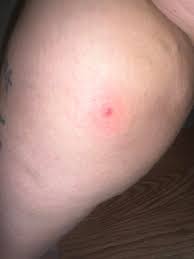
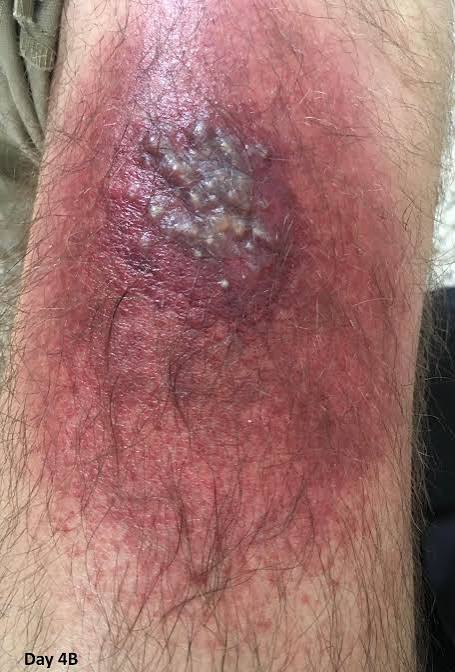
10% experience necrosis: A small fraction of cases develop into localized dead tissue or open ulcers that require medical care.
Less than 1% are severe: Systemic reactions affecting internal organs are incredibly rare. According to data tracking from the National Institutes of Health (NIH), nationwide fatalities from these spiders average fewer than one per year.
Response to a Suspected Bite
In the rare event of a suspected bite, medical professionals advise washing the area immediately with soap and water. Apply a cool compress wrapped in a cloth to reduce swelling, elevate the affected limb, and seek prompt medical evaluation.
Symptoms to Watch For:
Brown recluse bites are typically painless at first, but symptoms usually manifest within 3 to 8 hours.
Localized Symptoms:
- Mild stinging, itching, or redness
- A small white blister surrounded by an uneven ring of redness (often called a “bullseye” pattern)
- A sinking, dark blue or purple center that indicates tissue damage
- An open ulcer or crater-like sore that develops as dead skin sloughs away
Emergency Systemic Symptoms:
Seek emergency medical attention immediately if you notice any of these full-body signs, which indicate a severe systemic reaction:
- High fever or chills
- Nausea, vomiting, or severe dizziness
- Dark or bloody urine
- Severe joint or muscle pain
- A spreading red rash across the body
Homeowners are strictly warned never to squeeze or puncture the bite site, as this can introduce bacteria and worsen tissue damage. For immediate emergency guidance, bite victims can contact Poison Control at 1-800-222-1222.
Check This Out...
-
Pennsylvania Measles Outbreak Surpasses 1,000 Cases In Nation’s Worst Surge In 35 Years
-
Flu Season Starts This Month: Health Experts Advise Early Vaccination Amid Flu, RSV, And Covid-19 Risk
-
Razor Bumps And Ingrown Hairs: How To Quickly Treat And Get Rid Of Them
-
September Is Prostate Cancer Awareness Month: What It Is, What The Signs Are, And Who Is At Highest Risk From It
-
Food Warning: Great Value, GreenWise Frozen Berries Recalled