
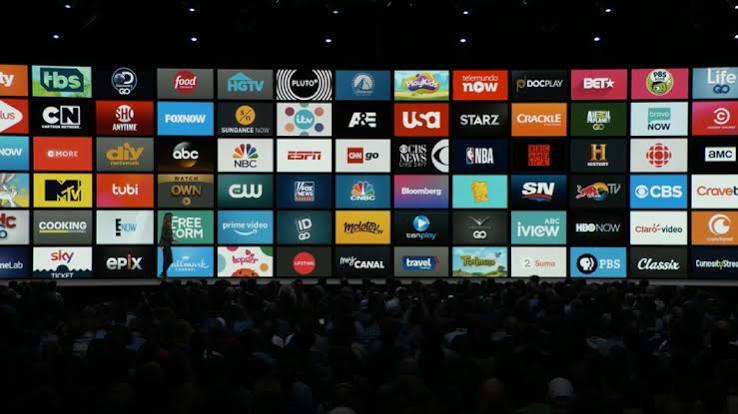
The golden age of cheap television is officially over, replaced by a relentless wave of price hikes that has left consumers facing cable-sized monthly bills.
Throughout 2026, major entertainment companies have systematically raised subscription prices, fundamentally reshaping the digital media landscape. What began a decade ago as an affordable alternative to traditional cable television has transformed into an increasingly expensive utility.
The shift has been swift and widespread. In March, Netflix pushed its Premium tier to a record $26.99 per month. YouTube Premium quickly followed suit in April, hiking its individual plan to $15.99.
By mid-summer, the increases reached live sports and network apps. Peacock rolled out its fourth price hike in four years this August, moving its ad-free tier to $19.99. Meanwhile, sports fans are bracing for September, when ESPN’s standalone direct-to-consumer app is set to launch at a steep $31.99 monthly fee.
Industry analysts report that the average cost of maintaining a basket of top-tier streaming services has jumped over 12% in the last year alone.
The driving force behind “streamflation” is a sharp pivot in corporate strategy. For years, Hollywood giants ran their platforms at a loss, burning billions on prestige content to capture market share.
Now, Wall Street investors are demanding immediate profitability over raw subscriber growth. To deliver, media companies are using a multi-pronged strategy: aggressive monthly rate increases, strict crackdowns on password sharing, and a calculated push toward advertising.
By making ad-free tiers prohibitively expensive, platforms are successfully driving users into cheaper, ad-supported subscriptions. This shift is highly lucrative for media companies, who generate higher average revenue per user by combining lower monthly subscription fees with recurring digital ad payouts.
Consumers Resist
As monthly costs balloon, consumer habits are shifting. Instead of maintaining permanent subscriptions to half a dozen apps, viewers are increasingly turning to “streaming churn”—subscribing to a single platform for a month to binge-watch specific shows before canceling and rotating to a competitor.
Bundled packages have also emerged as a vital survival strategy. Joint offerings, like the Disney+ and Hulu bundle, allow users to consolidate costs, while Free Ad-Supported Television (FAST) platforms like Tubi and Pluto TV are experiencing record viewership as audiences seek refuge from credit card fatigue.
The message from Hollywood is clear: the subsidized era of unlimited content is gone. For modern viewers, navigating the streaming grid now requires the same financial scrutiny once reserved for the traditional cable bill.
Internet Service: Cheap, But Not Always
As streaming services grow more expensive, consumers face a parallel financial pressure on the home front: the rising cost of the very Internet connection required to watch them.
The national average for home internet has climbed to $81.16 per month, according to industry tracking data. For the modern American household, Internet access is no longer a luxury, but a vital utility whose standard monthly costs now range from $30 to $150 depending on speed, location, and infrastructure.
The Technology Premium
The final price on a consumer’s bill is largely dictated by how the internet enters the home. Fiber-optic connections, which cost between $30 and $150 monthly, provide the most reliable high-speed service but remain restricted by regional availability.
Traditional cable broadband, ranging from $50 to $100 per month, remains the most common connection method. However, consumer advocacy groups warn that cable plans frequently feature steep price hikes that automatically take effect after a 12- or 24-month promotional period expires.
In response to high prices, 5G wireless home Internet provided by cellular networks has emerged as a disruptive competitor, keeping baseline prices between $35 and $75 per month. Conversely, rural households relying on satellite systems like Starlink face the highest financial burden, with bills reaching up to $165 monthly on top of expensive upfront equipment costs.
Hidden Fees Inflate Bills
The industry’s advertised prices rarely reflect reality. Investigations into billing practices by consumer watchdogs reveal a web of hidden add-ons that inflate the final total.
Many major providers charge an extra $10 to $15 per month just to lease the necessary modem and Wi-Fi router. Furthermore, several cable networks enforce a 1.2-Terabyte data cap, penalizing heavy-use households $10 for every 50 Gigabytes exceeded. Even securing the lowest advertised price now comes with a catch: providers routinely apply a $5 to $10 penalty if a customer refuses to enroll in automated billing and paperless statements.
The Search for Affordability
With Internet and streaming bills climbing simultaneously, budget-conscious consumers are seeking cheaper entry-level tiers. Providers like Frontier and Optimum have responded by offering baseline plans starting near $30 per month for standard browsing and remote work.
However, because Internet availability is hyper-local, many Americans find themselves trapped in regions with only one high-speed provider, leaving them with no choice but to pay the digital toll.
Check This Out...
-
Star Trek At 60: A Look Back At The Legendary And Groundbreaking TV Show
-
Actor Samuel Monroe, Jr.–Known For Roles In “Menace II Society” And “Tales From The Hood” Dies At 52: He Had Battled, Meningitis, Pneumonia
-
Whitney Houston And Dolly Parton: The Late Legends Shared A Connection Through A Song That Brought Joy, Changed Lives
-
Tim Curry, Actor Best Known For Starring In “Rocky Horror”, Dies At 80
-
Rap Superstar Lil Durk’s Federal Murder For Hire Trial Starts In Los Angeles: Who Is Lil Durk, And Why Is He Charged With Murder?