

When most people picture a heart attack, they imagine Hollywood’s version: a person clutching their chest in agonizing pain before collapsing to the ground.
Medical experts warn that this dramatic trope is dangerously misleading. In reality, up to two out of three heart attacks begin with subtle, easily overlooked symptoms days or weeks before a major cardiac event occurs.
What Is A Heart Attack–And What Causes One?
At its core, a heart attack is a critical plumbing failure within the human body. The heart muscle requires a continuous supply of oxygen-rich blood to pump effectively. When one or more of the coronary arteries—the dedicated vessels supplying the heart itself—becomes severely restricted or completely blocked, a portion of the heart muscle begins to starve. If blood flow is not restored rapidly, the deprived tissue begins to die.
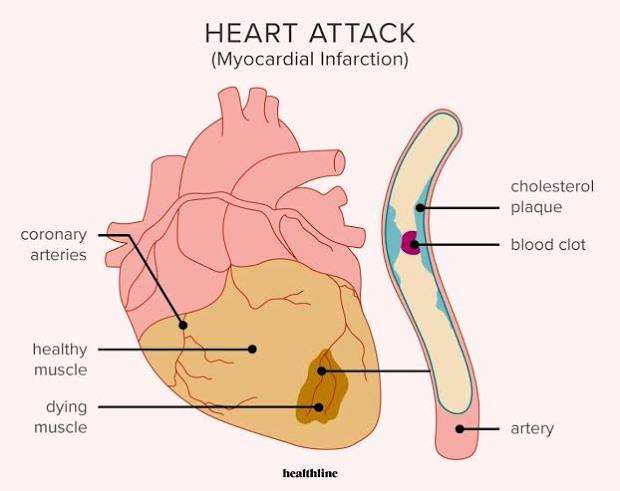
The journey toward a heart attack typically begins with atherosclerosis, a silent process where cholesterol, fats, and other substances build up along the artery walls to form plaque.
The true danger arises when this plaque becomes unstable. If the plaque ruptures, the body treats it as an internal injury and rushes to form a blood clot at the site. It is this sudden clot, rather than the slow buildup of plaque alone, that usually cuts off the blood supply entirely, triggering an acute heart attack.
The Myth of the Crushing Chest Pain
While classic, crushing chest pain is a hallmark sign, a growing body of research shows that many heart attacks manifest through a completely different set of signals. These “silent” or atypical symptoms are especially common in women, older adults, and individuals with diabetes. Because these signs mimic everyday ailments, patients frequently wait too long to seek help, resulting in irreversible heart muscle damage.
Six Signs You Are Likely to Dismiss
Cardiologists urge the public to familiarize themselves with these six frequently ignored warning signs:
Severe Indigestion or Nausea: A sudden onset of heartburn, acid reflux, or a heavy “gas bubble” feeling in the upper abdomen is easily mistaken for food poisoning, but it can indicate a lack of blood flow to the lower heart muscle.
Overwhelming Fatigue: A sudden, crushing exhaustion that makes simple tasks—like walking to the mailbox—feel impossible is a common early indicator. This happens when a compromised heart struggles to pump enough oxygen-rich blood through the body.
Pain in the Jaw, Neck, or Back: Heart attack pain can radiate away from the chest. Patients often dismiss a dull ache or tightness in the jaw, throat, upper back, or shoulders as a pulled muscle or a dental issue.
Vague Discomfort: Instead of sharp pain, many patients describe a mild fullness, squeezing, or heaviness in the center of the chest that frequently comes and goes over several hours or days.
Unexplained Shortness of Breath: Feeling unexpectedly winded or struggling to breathe while doing minimal activity, or even while resting, is a primary red flag often misattributed to being “out of shape.”
Cold Sweats and Dizziness: Suddenly breaking into a clammy, cold sweat in a cool room—especially when accompanied by lightheadedness or a sudden, unexplained “sense of doom”—is a critical sign of cardiovascular distress.
Tips On Heart Attack Prevention
Heart attack prevention relies on managing key cardiovascular risk factors through daily habits and routine medical checkups. The American Heart Association (AHA) framework, known as Life’s Essential 8, outlines the core pillars for maintaining a healthy heart:
1. Optimize Your Nutrition
Follow the DASH or Mediterranean diet: Prioritize whole foods, fresh fruits, vegetables, lean proteins (poultry, fish), legumes, nuts, and whole grains.
Reduce saturated and trans fats: Switch from tropical cooking oils (like palm or coconut oil) to non-tropical options like olive or canola oil. Limit fatty cuts of meat and processed foods.
Cut down on sodium: Keep daily salt intake low to protect your blood pressure. Avoid using extra table salt and read labels for hidden sodium.
2. Stay Physically Active
Weekly activity goals: Aim for at least 150 minutes of moderate-intensity aerobic exercise (e.g., brisk walking, water aerobics) or 75 minutes of vigorous exercise (e.g., running, cycling) each week.

Strength training: Incorporate muscle-strengthening workouts at least two days a week.
Minimize sedentary time: Even minor movement, like standing up or stretching during the day, improves overall blood circulation.
3. Eliminate Tobacco Exposure
Quit smoking: Tobacco use is the leading cause of preventable death. Nicotine constricts blood vessels and forces the heart to work harder.
Avoid secondhand smoke: Regularly breathing in secondhand smoke significantly elevates your cardiovascular risk profile.
4. Maintain a Healthy Weight & Sleep Schedule
Manage weight: Excess body weight—especially abdominal fat—increases your heart’s workload and raises the risk of developing secondary conditions like diabetes.
Get quality sleep: Strive for 7 to 9 hours of restorative sleep every night to help regulate blood pressure and metabolic function.
5. Know and Control Your Medical Numbers
Routine health screenings are vital because high blood pressure and cholesterol often develop without noticeable symptoms. Work with a healthcare provider to track:
Blood Pressure: Maintain a target below 120/80 mm Hg. High blood pressure stiffens arteries and forces the heart muscle to thicken.
Cholesterol levels: Keep non-HDL (“bad”) cholesterol low to prevent arterial plaque buildup. A healthy total cholesterol level is generally 150 mg/dL or lower.
Blood Sugar: Fasting blood glucose should stay below 100 mg/dL. Managing blood sugar levels lowers your risk of type 2 diabetes, which damages cardiovascular tissue.
Cardiorespiratory Health Outlook:
The visual below illustrates how optimal lifestyle changes directly impact systemic blood pressure numbers over time, preventing long-term cardiac strain.
Local Cardiac Health Resources
If you are looking to establish preventive care, schedule a routine screening, or consult a cardiologist in the metro area, consider reaching out to local clinics:
- Schedule a preventative health assessment through the Piedmont Urgent Care Patient Intake.
- Book an appointment with specialists directly via Atlanta Heart Associates Care Management.
- Contact Grady Health Systems
- Or speak to your own preferred medical professional
When to Seek Immediate Help
Medical professionals stress that any combination of these symptoms, especially if they are new or worsening, warrants immediate emergency attention. Waiting to “see if it passes” reduces the effectiveness of life-saving treatments like angioplasty or clot-busting medications.
If you or a loved one experiences these symptoms, experts advise calling 911 emergency services immediately rather than driving to the hospital yourself, as paramedics can begin life-saving treatment en route.
Check This Out...
-
Pennsylvania Measles Outbreak Surpasses 1,000 Cases In Nation’s Worst Surge In 35 Years
-
Flu Season Starts This Month: Health Experts Advise Early Vaccination Amid Flu, RSV, And Covid-19 Risk
-
Razor Bumps And Ingrown Hairs: How To Quickly Treat And Get Rid Of Them
-
September Is Prostate Cancer Awareness Month: What It Is, What The Signs Are, And Who Is At Highest Risk From It
-
Food Warning: Great Value, GreenWise Frozen Berries Recalled