
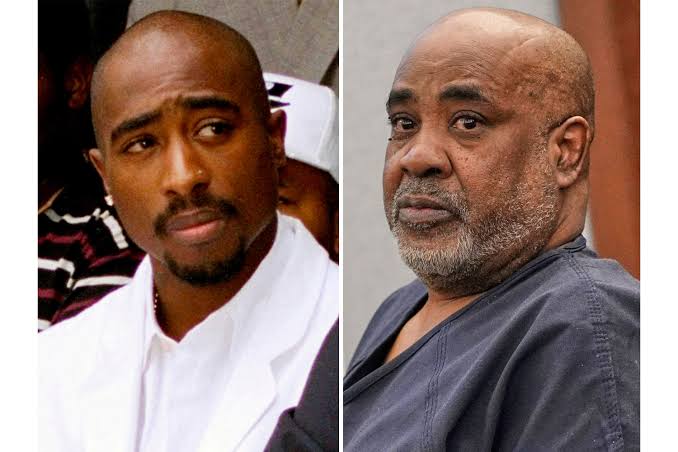
Closing arguments are set to begin this morning in the historic murder trial of Duane “Keffe D” Davis, the former gang leader accused of masterminding the 1996 drive-by shooting of hip-hop icon Tupac Shakur.
Nearly 30 years after the legendary artist was gunned down near the Las Vegas Strip, the high-profile case is finally transitioning to its final phase in Clark County District Court. The panel of 12 jurors and four alternates will return to the courtroom at 9:00 a.m. to hear both sides deliver their ultimate appeals before beginning closed-door deliberations.
The transition to closing arguments comes after nine days of dense testimony that concluded late last week. The prosecution rested its case after calling 25 witnesses, while the defense team presented three witnesses. The 63-year-old defendant chose not to take the stand in his own defense. On Friday, attorneys spent the day finalizing more than 50 precise jury instructions with Judge Carli Kierny to guide the impending deliberations.
Because Nevada law states that anyone who aids, abets, or encourages a crime can be held fully responsible for murder, prosecutors do not need to prove Davis personally pulled the trigger. Instead, the state’s closing strategy will rely heavily on Davis’s own public statements. For years, Davis boasted about his role in the shooting across various media documentaries, podcast interviews, and his 2019 memoir, Compton Street Legend. Prosecutors frame Davis as the tactical “shot-caller” who procured the white Cadillac and handed the murder weapon to his late nephew, Orlando Anderson, in retaliation for a casino brawl.
Defense attorney Michael Sanft is expected to counter by emphasizing a complete lack of physical evidence from the 1996 crime scene. The defense maintains that Davis fabricated his elaborate street persona and public confessions strictly to profit from media deals, book sales, and entertainment contracts.
Duane “Keffe D” Davis faces a potential sentence of life in prison without the possibility of parole if convicted of first-degree murder.
Check This Out...
-
Six Charlotte Cops Face Termination Over Texts Allegedly Containing Text Message Thread Filled With Racial Slurs, Racial Profiling, And Police Brutality: Allegedly Competed To Pull Over The Most Black Drivers: Texts Came To Light Amid Flock Camera Misuse Investigation
-
Handcuffs With That Order? Popular San Diego Chef Allegedly Kidnapped And Shot Ex-Girlfriend In Iowa In 2014, Then Fled The State: Social Media Popularity Led U.S. Marshals To Him
-
Federal Judge Blocks Deportation Of 28 Year Old NYC Man Shot By ICE Agents Thursday: Who Is Oscar Belgal, And What Are The Circumstances Surrounding His Case?
-
Mike Ditka Dies At 86: Legendary Chicago Bears Player And Later Head Coach Led The ’85 “Bad News Bears” To Super Bowl Win
-
Colorado Parents Who Take Their Small Kids On Record-Breaking Mountain-Climbing Ventures Reported To Child Protective Services By Online Critics, Won’t Be Prosecuted