
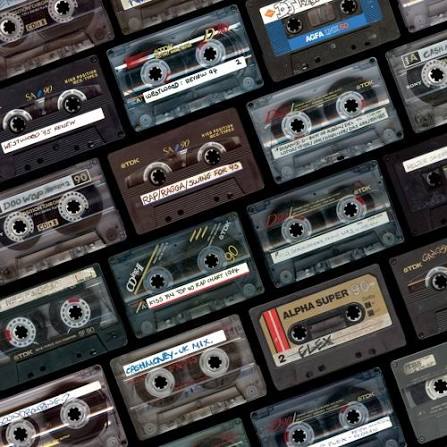
The classic mixtape did not disappear; it was fundamentally absorbed and replaced by the modern streaming economy.
What began as physically recorded cassette tapes in the 1970s and 1980s evolved into a massive underground CD and digital industry. However, severe legal crackdowns, the rise of streaming platforms, and shifts in music monetization eventually killed the traditional, lawless mixtape culture.
Artists used mixtapes as an underground bypass to the traditional music industry, allowing them to build massive fanbases without corporate backing.
In the 1990s and 2000s, getting a record deal required gatekeepers, expensive studio time, and mainstream radio play. Mixtapes upended this model by giving artists direct access to the streets and internet blogs.
How Artists Built Careers with Mixtapes
- Rapping Over Famous Beats: Artists did not need original production. They took the instrumentals of current radio hits, rapped over them, and proved they could deliver better verses than the original artists.
- Flooding the Market: Major labels took years to release a single album. Artists used mixtapes to release dozens of songs every few months, keeping their names relevant and satisfying hungry fans.
- Creating a Buzz for Labels: Independent artists used free tapes to create a frenzy. A massive underground buzz forced major record labels into fierce bidding wars to sign them.
- Testing Experimental Music: Established stars used mixtapes to test weird concepts, raw sounds, or highly aggressive songs that corporate radio stations would never agree to play.
- Launching Diss Tracks: Before social media, rap beefs were fought entirely on mixtapes. Artists used them to respond instantly to rivals and control the narrative of a feud
The Evolution of the Block Strategy
1. The Hand-to-Hand Street Era (1980s–1990s)
Artists physically handed out cassette tapes on street corners, out of car trunks, and in local barbershops. They targeted influential local figures and street vendors to distribute their music organically.
2. The DJ Co-Sign Era (Late 1990s–2000s)
Artists partnered with influential mixtape DJs like DJ Clue, DJ Drama, or DJ Green Lantern. The DJ would host the tape, shout over the tracks, add exclusive drops, and distribute the project through an established network of bootleg CD stores.
3. The Digital Blog Era (Mid 2000s–2010s)
Artists transitioned to the internet, uploading free digital zip files to platforms like DatPiff, LiveMixtapes, and SoundCloud. This erased all geographic barriers. A rapper in their bedroom could suddenly achieve worldwide notoriety overnight without spending a dime on physical manufacturing.
Why the Traditional Mixtape Era Ended
- The Feds and Copyright Laws: Historically, rappers freestyled over other artists’ popular beats without permission. The industry tolerated this until it became too profitable. In 2007, the FBI raided DJ Drama’s Atlanta headquarters, confiscating 80,000 mixtapes. This strict enforcement forced artists away from using unlicensed samples.
- The Rise of Streaming Services: Platforms like Spotify and Apple Music centralized music consumption. Instead of scouring websites or street corners for music, fans gained instant access to massive catalogs.
- The Death of Mixtape Blogs: In the 2000s, digital platforms like DatPiff, LiveMixtapes, and SoundCloud hosted thousands of free projects. As streaming monopolies grew and data preservation became expensive, central pillars like DatPiff officially shut down, creating a permanent void for independent releases.
- The “Playlist” Pivot: Algorithms and curated playlists became the new gatekeepers of taste. Record labels shifted budgets away from long-form underground tapes to focus heavily on pushing individual viral singles.
What “Mixtapes” Look Like Today
The Commercial Mixtape: The line between an “album” and a “mixtape” has completely blurred. When modern mainstream artists release a “mixtape” today, it is typically a lower-stakes, label-backed project sold directly on streaming services.
The Nostalgia Streaming Wave: Legacy artists are actively working to retroactively clear the copyright samples from their famous 2000s catalogs. Classic projects from stars like Drake, Lil Wayne, Nicki Minaj, and Travis Scott have been officially re-released on major streaming platforms, though often missing tracks that couldn’t clear licensing.
Check This Out...
-
Star Trek At 60: A Look Back At The Legendary And Groundbreaking TV Show
-
Actor Samuel Monroe, Jr.–Known For Roles In “Menace II Society” And “Tales From The Hood” Dies At 52: He Had Battled, Meningitis, Pneumonia
-
Whitney Houston And Dolly Parton: The Late Legends Shared A Connection Through A Song That Brought Joy, Changed Lives
-
Tim Curry, Actor Best Known For Starring In “Rocky Horror”, Dies At 80
-
Rap Superstar Lil Durk’s Federal Murder For Hire Trial Starts In Los Angeles: Who Is Lil Durk, And Why Is He Charged With Murder?