
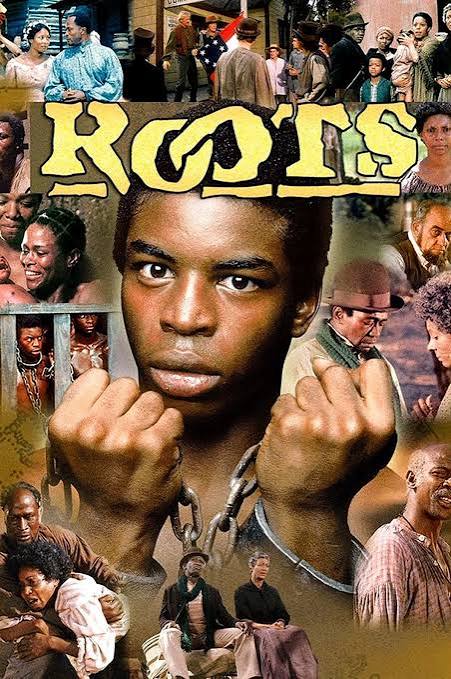
Alex Haley’s 1976 novel Roots: The Saga of an American Family was released on August 17, 1976 and its 1977 television miniseries adaptation stand as monumental milestones in American cultural history. By chronicling the journey of Kunta Kinte—an enslaved Gambian man—and his descendants, Roots fundamentally transformed how the nation confronted its history of slavery, sparked a global genealogy boom, and revolutionized the television industry.
Before Roots, popular American culture largely sanitized or ignored the brutal realities of chattel slavery. Standard textbook education was limited, and mainstream media often relied on paternalistic tropes.
Haley’s work shattered these conventions by reframing the American narrative through the eyes of the enslaved. It humanized the victims of the transatlantic slave trade, shifting the perspective from abstract historical data to a deeply personal family epic. The depiction of the middle passage, the violent erasure of African names, and the forced separation of families forced a predominantly White audience to confront the systemic horrors and moral atrocities upon which the nation was built.
From Book To Television

Author Alex Haley originally intended to write a narrative about growing up in the rural South during the 1920s and 1930s. However, as he researched his family’s oral history, he traced his lineage back generations to a West African man named Kunta Kinte, who was captured and enslaved in the 18th century. Haley expanded his focus into an epic multigenerational saga, which he initially titled Before This Anger.
Haley’s renamed new novel would debut in the summer of 1976, and hit number 5 on The New York Times Bestseller List in October and would reach the number one spot by mid-November.
But the first step toward the screen occurred when acclaimed actress and civil rights activist Ruby Dee met with legendary Hollywood producer David L. Wolper at a film festival where she told Wolper about her friend Alex Haley’s unfinished manuscript detailing his family history back to Africa. Recognizing the massive dramatic potential of the story, Wolper bought the film rights to Roots directly from Haley before the book was even published.
Wolper pitched the concept to ABC television executive Brandon Stoddard. At the time, American television rarely produced “miniseries” programming—long-form narratives spanning multiple nights. Stoddard and ABC took a big money gamble on the project. They greenlit a massive $6.6 million budget ($38.74 million in today’s dollars) to bring Haley’s novel to television screens across the globe.
Directing and Casting
The production required a massive collaborative effort:
The Script: The adaptation condensed Haley’s massive book, Roots: The Saga of an American Family, into an episodic timeline following generations of Kunta Kinte’s descendants.
The Lead Role: The crucial role of the teenage Kunta Kinte was given to LeVar Burton, an unknown actor with almost no professional screen experience. Producers chose him because he perfectly balanced strength and vulnerability.
The Ensemble: To draw in wide audiences, the creators cast established Black stars like Louis Gossett Jr. and John Amos alongside prominent White television actors like Ed Asner to play the slave traders and masters.
A Television Phenomenon and National Conversation

The January 1977 broadcasting of the ABC miniseries became an unprecedented cultural event. Networks initially feared the grim subject matter would alienate viewers, leading them to air the eight-part series on consecutive nights to minimize potential financial losses.
Instead, the strategy created a massive, collective viewing experience. Approximately 130 million Americans—nearly half the country’s population at the time—tuned in to at least one episode. The finale drew an estimated 100 million viewers, securing its place as one of the most-watched television events in history. For eight nights, Roots paralyzed regular evening activities, prompting unprecedented cross-racial dialogue in workplaces, schools, and living rooms across a still-segregated nation.
The Genealogy Boom
One of the most enduring legacies of Roots was its democratization of family history. Haley’s meticulous obsession with tracing his lineage inspired millions of Americans to investigate their own origins.
Following the broadcast, the National Archives in Washington, D.C., experienced an overwhelming surge in applications, with record-breaking daily attendance from citizens seeking census, military, and plantation records. This phenomenon was particularly profound for African Americans, who faced unique archival barriers due to the erasure of identities during slavery. Roots provided both a blueprint and the cultural validation needed to pursue ancestral research, transforming genealogy from an elite hobby into a mainstream pursuit.
Transforming the Media Landscape
The commercial and critical triumph of Roots permanently altered Hollywood’s economic calculus regarding Minority-led narratives. It proved that a cast consisting predominantly of Black actors could attract massive, diverse audiences and generate substantial advertising revenue.
The success of the series established the “miniseries” as a highly lucrative television format, paving the way for future long-form historical dramas. Furthermore, it launched and elevated the careers of a generation of Black actors, writers, and directors—including LeVar Burton, John Amos, Louis Gossett Jr., and Cicely Tyson—fundamentally shifting representation behind and in front of the camera.
Reclaiming Identity in Black Culture
For African-Americans, Roots was much more than a television event; it was a profound psychological and spiritual reclamation of identity. By tracing a direct lineage back to the Mandinka people of Gambia, the story forcefully countered the White supremacist myth that Black Americans had no history, culture, or civilization prior to enslavement.
The series shifted the internal cultural consciousness from a sense of collective trauma or inherited shame regarding slavery to an immense pride in survival, ancestral resilience, and cultural retention. It visualized how African humor, language, music, and spiritual traditions survived the Middle Passage. This cultural awakening fostered a massive wave of Black consciousness, prompting African Americans to book heritage tours to West Africa and widely push for the expansion of Black Studies programs across hundreds of U.S. colleges and universities.
The Rebirth of African and Distinctive Naming Trends
Perhaps the most intimate and immediate impact of Roots was how it revolutionized Black naming conventions. In both the novel and the miniseries, a person’s name is the ultimate battleground for autonomy—personified by the brutal, iconic scene where Kunta Kinte is whipped until he accepts the slave name “Toby.”
This thematic focus on the sacred power of names triggered an unprecedented baby-naming boom across the United States. Black parents flatly rejected Eurocentric naming conventions in favor of names that honored their heritage:
The “Kunta” and “Kizzy” Phenomenon: Immediately following the January 1977 broadcast, names of the story’s protagonists surged. Hospitals in major metropolitan areas reported a wave of newborns named Kunta or Kizzy. For instance, The New York Times reported that dozens of infants were given these names in New York, Los Angeles, and Detroit within weeks of the finale.

Rise of African-Inspired Names: The show popularized a broader cultural shift toward choosing ethnically distinctive, West African, and Arabic names (such as Malik, Kwame, or Aisha) as an explicit act of cultural reclamation.
The Full-Moon Naming Ritual: The stunning visual of Omoro lifting his infant son, Kunta Kinte, toward the night sky and declaring “Behold, the only thing greater than yourself” entered the cultural lexicon. Black parents nationwide began replicating this ritual with their own newborns, transforming a televised scene into a tangible, real-world custom of celebrating Black life and continuity.
Timeless Impact, Lasting Legacy
Almost five decades after its debut, the cultural tremors of Roots are still felt. It laid the groundwork for modern cinematic explorations of the Black diaspora and systemic racism, creating a direct lineage to contemporary works like 12 Years a Slave, Underground, and Watchmen. By bridging the gap between painful historical truths and mainstream entertainment, Roots did more than just capture the attention of a nation—it permanently altered the fabric of American historical consciousness.
Check This Out...
-
Around 10,000 Children Are In Need Of A Loving, Safe Home In Georgia: Here’s How You Can Become A Foster Parent Or Adopt A Child
-
Happening Today: Hip Hop Icons And East Point Legends Outkast Launch Merch With Waffle House, Host Collab Drop At Centennial Olympic Park Restaurant At 11 A.M.
-
PINK RIBBONS AND PERSONAL JOURNEYS: OCTOBER MARKS GLOBAL BREAST CANCER AWARENESS MONTH
-
The Taste Of Survival: Chitterlings Came Out Of Necessity But Managed To Become A Soul Food Delicacy: The Story Of The “Chitlin” Plate–And Who Still Eats Them Today
-
Hispanic Heritage Months Begins This Week: Events And Celebrations Run From September 15 To October 15: South Fulton Features “México en el Corazón” Tour At Wolf Creek Sunday + More