
The Democratic Party is positioned to capture a majority of the nation’s governorships this November, a critical structural shift that could reshape American politics ahead of the 2028 presidential race.
According to an analysis published by Stateline on October 6, shifting political winds and a highly favorable electoral map have put Democrats within striking distance of controlling most state executives for the first time since 2010.
Defending the Map
Currently, Republicans hold a narrow 26–24 advantage in gubernatorial seats nationwide, according to tracking data from the National Conference of State Legislatures. However, with 36 states voting this November, the GOP finds itself heavily on the defensive.
In a notable sign of a widening map, The Cook Political Report with Amy Walter adjusted its ratings for longtime Republican strongholds Florida and Texas, downgrading them from “Likely Republican” to “Leans Republican.”
Key Battlegrounds Poised to Flip
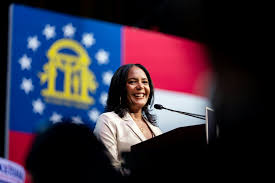
Polls in Georgia point to a neck-and-neck race between Democratic former Atlanta mayor Keisha Lance-Bottoms and Republican businessman Rick Jackson. A Democrat last won Georgia’s governor race in 1998.
But electoral forecasts compiled by U.S. News & World Report project that Democrats are strongly positioned to flip four key governorships currently held by Republicans, including in Georgia:
- Georgia
- Iowa
- Nevada
- Ohio
Public opinion data released by Schoen Cooperman Research suggests the shift is being driven by localized economic frustrations, including rising housing and insurance costs, alongside low national approval ratings for President Donald Trump.
The Road to 2028
The stakes extend far beyond state lines. As reported by the Associated Press on October 9, 2026, this midterm cycle is serving as a critical proving ground for the 2028 presidential election.
Governors wield immense power over state election administration, voting laws, and the certification of electoral votes.
For Democrats, a governor can act as a crucial veto firewall against Republican-led state legislatures seeking to alter voting access or election rules before the presidential cycle.
Implementing a Policy Blueprint
Holding a majority of governorships allows Democrats to pass and highlight popular state-level policies that can serve as a national platform for 2028. State executives can directly address highly motivating voter issues like housing costs, reproductive rights, and economic relief, creating a tangible track record of governance to pitch to a national electorate.
Kentucky Governor Andy Beshear, himself a prospective 2028 presidential candidate, is currently leading the Democratic Governors Association, which has been aggressively campaigning in swing states.
With weeks left before Election Day, the fight for the nation’s statehouses looks to be one of the defining battlegrounds of the midterms.
Check This Out...
-
More Than 520,000 Ballots Have Been Cast In Georgia Since Early In-Person Voting Began On Tuesday
-
20 Days Away: Democratic U.S. Senator Jon Ossoff, Republican Mike Collins Debate: Epstein Files, Tariffs, And Allegations Of Antisemitism Figure Prominently In Second And Final Debate Between The Two Candidates
-
Early In-Person Voting Begins Today October 13
-
Democratic Michigan Senate Candidate Dr. El-Sayed Addresses Past Obama Criticism, Jewish Safety In Meet The Press Interview
-
Country Music Legend Willie Nelson Endorses Democrat James Talarico In Texas U.S. Senate Race