
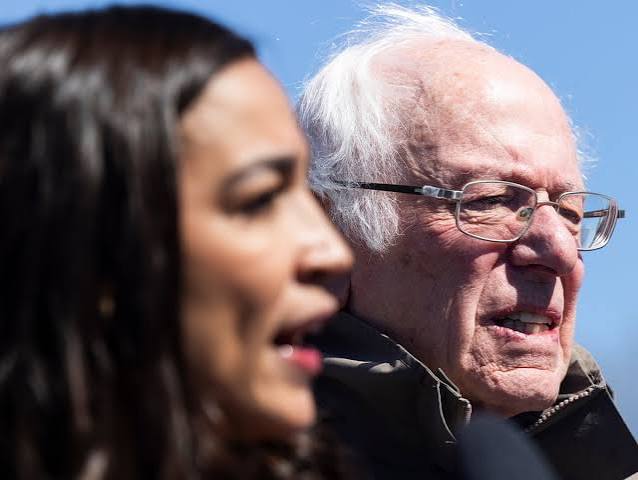
The disconnect between progressives and Black voters stems primarily from a misalignment in political ideology, a preference for pragmatic policy outcomes over systemic revolution, and a widening generational divide. While progressives often assume that their equity-focused platforms naturally appeal to communities of color, the reality of the Black electorate is far more ideologically diverse and risk-averse than the party’s left flank assumes.
In the 2020 presidential race, Vermont Senator Bernie Sanders, a Democratic Socialist, was beginning to show momentum while also appearing to make huge inroads with Black voters across the country–until South Carolina’s Black voters stepped in, reviving Biden’s then on-the-ropes campaign with a resounding primary victory that helped propel Biden’s ascent to the White House.
But other Progressive candidates around the country haven’t always found overwhelming success with Black voters, who sometimes think Progressive ideas sound good but are skeptical about their implementation. That skepticism keeps many Black voters home on Election Day. Here’s why:
1. Ideological Realities vs. Progressive Assumptions
A major hurdle for progressives is misreading the political ideology of the Black community. Many progressive platforms operate under the assumption that Black voters are uniformly liberal due to their loyal voting record for the Democratic Party. However, data consistently shows that the majority of Black Democrats identify as moderate or conservative.
Policy Divides: Progressive staples like “Medicare-for-All” or standard opposition to school choice often clash with the preferences of rank-and-file Black voters. For example, polling indicates that many Black Democrats prefer a healthcare public option over abolishing private insurance entirely, and a significant majority favor charter school options.
Traditional Values: Many Black voters hold deep roots in traditional, faith-based institutions that foster more socially conservative views on family, religion, and community.
Pragmatism and Risk Aversion
Older Black voters—who historically form the reliable backbone of Democratic turnout—tend to view politics through a lens of electoral pragmatism rather than ideological idealism.
- Protecting Hard-Won Gains: Having lived through or inherited the immediate legacy of the Civil Rights movement, older generations often prioritize protecting existing legislative and institutional gains over risking them on sweeping, untested structural overhauls.
- “Getting Things Done”: In high-profile Democratic primaries, older Black voters routinely side with pragmatic centrists over progressive visionaries. They favor established candidates viewed as reliable operators who can deliver immediate resources to their communities and successfully navigate general elections against Republicans.
Safety and the “Defund the Police” Backlash
The rhetorical push by progressive activists to “defund the police” or heavily reduce law enforcement funding exposed a sharp disconnect with working-class Black communities.
Crime Concerns: Surveys continually show that Black and Latino residents living in high-crime urban centers are frequently more likely than affluent White progressives to demand an increased or sustained police presence to ensure neighborhood safety.
While Black voters strongly favor comprehensive police accountability and criminal justice reform, they largely reject activist rhetoric that threatens immediate public safety infrastructure.
A Stark Generational Fracture
The Black electorate is not a monolith, and progressives are actually finding massive success—but almost exclusively with younger generations. This has created an internal fracture within the demographic:
- The Youth Left: Younger Black voters (under 50) are far more receptive to progressive causes, including reducing police funding, aggressive climate policy, and international human rights platforms.
- The Turnout Deficit: While younger Black voters line up with progressive platforms, they are also among the least likely cohorts to actually show up at the ballot box. Progressive candidates frequently lose primaries because they win the youth vote but fail to energize the older, highly dependable Black voters who dominate turnout.
5. Institutional Trust vs. Institutional Critique
Progressive messaging is frequently built on an adversarial critique of institutions—including the traditional Democratic establishment. This message often alienates older Black voters, who view institutional access as a hard-fought shield against systemic racism. Attacking establishment icons or undermining party structures is often perceived not as revolutionary progress, but as an existential threat to the political representation the community spent decades building.
Check This Out...
-
South Carolina Rep. James Clyburn Offers His Support For Supreme Court Expansion In “Meet The Press” Interview; Expresses Regret For 1991 Support Of Confirmation Of Justice Clarence Thomas
-
Trouble With Iran Played A Major Role in The 1980 Election And 46 Years Later, It Looks Likely To Do So Again
-
Georgia U.S. Senator Jon Ossoff Presses Republican Opponent Representative Mike Collins On House Ethics Probe: “This Is Not Going Away”
-
Trump-Endorsed South Carolina Senator Graham Wins Primary, Will Face Democratic Pediatrician Annie Andrews In November–But South Carolina Looks Winnable For Democrats
-
Trump Approval Hits Record Low: Iran War, Gas Prices, Inflation, Ballroom Costs Inspire Voters To Give The President A Disapproval Rating Of 65%