
In his less than 38 years on this Earth, the late prolific author Donald Goines fought communism as an underage soldier in Korea, went to prison as a junke, and died in his home with his believed wife after becoming one of the most renowned Black writers of his generation. That was Donald Goines, the man behind more than a dozen gritty, hardcore, street-inspired novels that have lived on for decades after their author’s still-unsolved murder in suburban Detroit.
Who Was Donald Goines?
Born in Detroit in 1936, Goines dropped out of school early, served in the military during the Korean War, and returned home to a decades-long struggle with heroin addiction. To fund his habit, he engaged in pimping, armed robbery, and extortion, landing him in prison multiple times.
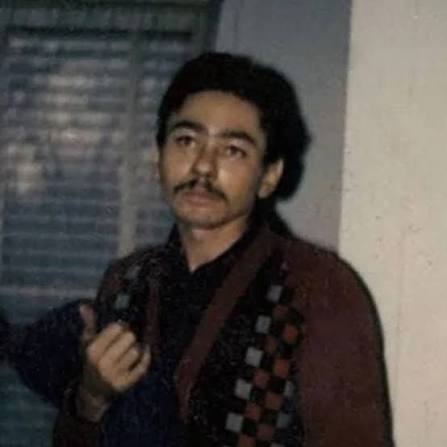
While serving a sentence at Jackson State Prison in 1969, Goines read Iceberg Slim’s memoir Pimp. Inspired, he began writing his own visceral experiences under his birth name and the pseudonym Al C. Clark. Publishing primarily through Holloway House, he churned out 16 searing novels like Dopefiend (1971), Whoreson (1972), and Black Gangster (1972) before he and his wife were tragically and mysteriously shot to death in their Detroit apartment in October 1974.
Impact on Prison Culture
Goines’ books achieved legendary status behind bars, functioning as an underground literary canon for incarcerated individuals.
- First-Read Status: His novels are frequently cited as the first books that young men entering the penal system actually wanted to read, sparking a vital gateway to literacy.
- Realness and Reflection: Incarcerated readers found mirrors of their own traumas, systemic failures, and street choices in his unromanticized prose.
- Inmate Authorship: Just as Iceberg Slim inspired Goines in a cell, Goines’ prolific output inspired generations of prisoners to pick up pens and document their own realities.
Impact on Black Culture and Hip-Hop
Long before the commercialization of gangsta rap, Goines mapped out the psychological and economic landscape of marginalized Black communities with unmatched fidelity.
- The Blueprint for Rap: Icons of hip-hop embraced Goines as a foundational elder. Tupac Shakur famously called Donald Goines his “father figure” in the 1996 track “Tradin’ War Stories”.
- Lyrical References: Artists including Nas, 50 Cent, Snoop Dogg, Ludacris, and AZ have dropped direct nods to his gritty plots and character names—such as Nas naming his song Black Girl Lost after Goines’ novel.
- Cinematic Adaptations: His gritty worldview made the jump to the silver screen through adaptations of his works, most notably the 2004 film Never Die Alone starring DMX.
Sustained Modern Sales Numbers
Goines remains a highly profitable staple for traditional and independent retailers alike.
- Annual Movement: His catalog consistently sells roughly 200,000 copies every year.
- The 2020 Reissue Boom: In 2020, major publisher Kensington Publishing acquired the Holloway House archives. They launched a massive reissue campaign featuring bold, modernized covers. Following this repackaging, year-over-year sales of Goines’ books doubled from 2019 levels.
- Kensington’s Top Performer: Under Kensington, print sales alone have surpassed 500,000 copies. The publisher reports that Goines consistently ranks as one of their top reordered authors, meaning bookstores struggle to keep his titles on shelves due to steady demand.
Distribution and Price Accessibility
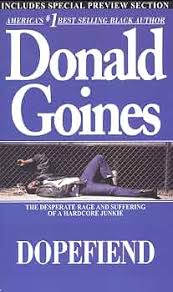
Goines’ enduring popularity is heavily driven by his ongoing accessibility in everyday spaces.
- Where They Sell: While easily found on major digital platforms like Amazon and Walmart, his primary retail strength is in “street-level” hubs. Mass-market paperbacks sell heavily at urban corner stores, bodegas, specialized Black-owned bookshops, flea markets, and public transport newsstands.
- Affordable Pricing: His standard titles, including classics like Crime Partners and Daddy Cool, are deliberately priced as affordable paperbacks, typically retailing between $8.00 and $17.00 across main retailers to ensure they remain accessible to a working-class demographic.
The Collector’s Market and Formats
Beyond cheap paperbacks, Goines has spawned a lucrative secondary market.
- Vintage Holloway House Editions: On platforms like eBay and AbeBooks, original 1970s Holloway House prints are treated as rare cultural artifacts. Bundles of his first-edition titles regularly command hundreds or even thousands of dollars from collectors eager to own a piece of original Black pulp fiction history.
- Digital and Audio Expansion: The steady demand has successfully pushed his gritty street narratives into the digital age. His work is heavily consumed as e-books and audiobooks through platforms like Audible, allowing younger hip-hop fans to experience his stories on modern devices
The Murders That Went Unsolved
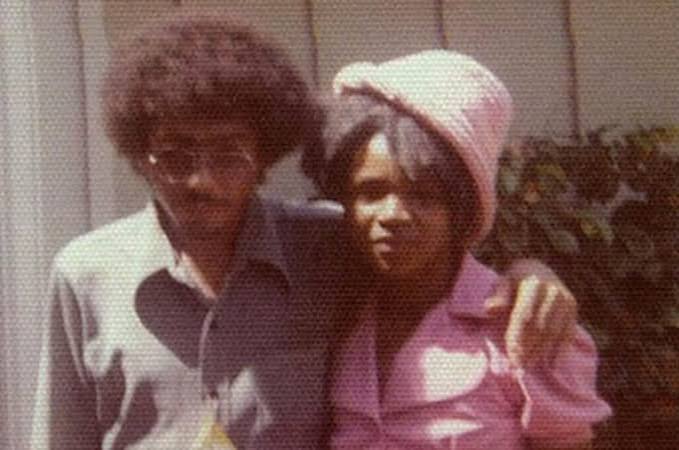
Donald Goines was brutally murdered alongside his common-law wife, Shirley Sailor, on October 21, 1974, in their apartment in Highland Park, Michigan. He was 37 years old.
The double homicide is one of the most famous cold cases in literary history, and the crime remains unsolved.
The Crime Scene
Police responded to an anonymous phone call and discovered the grim scene. Goines was found in the living room, reportedly at his typewriter, while Sailor’s body was found in the kitchen.
- The Attack: Both Goines and Sailor were shot five times each in the head and chest by unidentified gunmen.
- The Witnesses: The couple’s two young daughters, aged 2 and 4, were home at the time of the killings but were left physically unharmed.
Prominent Theories Behind the Killings
Because no arrests were ever made, a massive web of speculation and street legends has surrounded their deaths for over half a century:
- Real-Life Retaliation: The most popular theory suggests Goines was assassinated by Detroit underworld figures. Critics and peers noted that the criminals, pimps, and hustlers in his novels were often thinly veiled, highly recognizable depictions of real-life street figures who may have sought violent revenge.
- Drug Addiction and Debt: Goines maintained a heavy, expensive heroin addiction throughout his writing career. Some speculate the murders stemmed from a drug deal gone wrong or unpaid debts to local narcotics dealers.
- Publishing Interference: Other theories suggest the hit was ordered to stop Goines from publishing upcoming material that might expose ongoing criminal enterprises.
Ongoing Investigation
Interest in solving the mystery remains high. In 2025, a film production company called Detroit Son announced a documentary project and hired a private investigator to look into the execution. The group officially offered a $5,000 reward for any street tips or new information that could finally break the 50-year-old cold case.
Check This Out...
-
An Historic Irony: Is Atlanta–Long Viewed As “The Black Mecca”–Becoming Too Expensive For Black Residents?
-
Collard Greens, Macaroni & Cheese, And Corn Bread: How This Meal Thrived Through The Slavery Era To Became A Southern Dinner Staple
-
Money Trouble: How Background Checks And The Criminal Justice System Negatively Impact Black Economic Power In America–But There Are Ways To Break Through
-
Tying To Stay Friends After Breaking Up? Here’s How To Keep It Cool With Your Ex
-
‘Roots’ At 50: How The Groundbreaking Novel And TV Miniseries Forever Changed Ideas, Reignited Cultural Pride, And Sparked Discussions Around Black Enslavement