

It happens in an instant. A sudden stumble, a slurred word, or a slight droop on one side of a smile. Every year, hundreds of thousands of people experience a stroke—a medical emergency where blood flow to the brain is suddenly cut off or reduced, depriving brain cells of oxygen. Within minutes, vital cells begin to die, turning a medical event into a race against the clock.
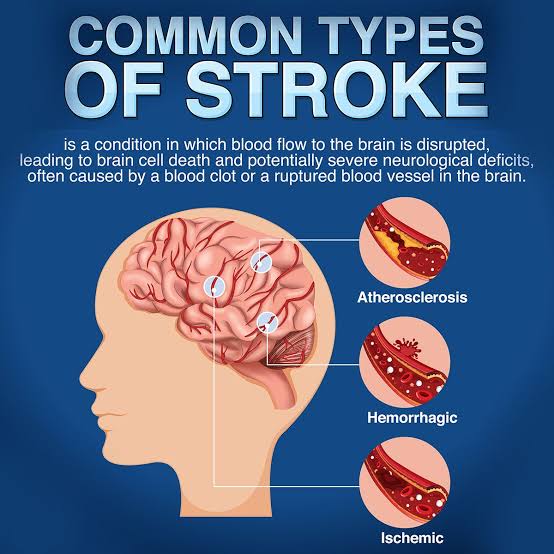
According to medical experts, strokes generally fall into two categories: Ischemic strokes occur when a blood clot blocks a critical artery to the brain. Hemorrhagic strokes happen when a weakened blood vessel leaks or bursts entirely. Regardless of the type, immediate treatment is crucial to preventing permanent disability or death.
The Warning Signs: Think B.E. F.A.S.T.
Neurologists emphasize that recognizing a stroke early is the single most important factor in a patient’s survival and recovery. The acronym B.E. F.A.S.T. serves as an essential public tool to identify sudden symptoms:
- B – Balance: Sudden dizziness, loss of balance, or trouble walking.
- E – Eyes: Sudden vision changes, double vision, or loss of sight.
- F – Face: One side of the face droops or feels numb when smiling.
- A – Arm: One arm drifts downward when attempting to raise both.
- S – Speech: Slurred words, difficulty speaking, or confusion understanding language.
- T – Time: Call emergency services immediately if any symptom appears.
Doctors also warn that a sudden, excruciating headache with no known cause can indicate a hemorrhagic stroke and requires immediate emergency attention.
The Highest-Risk Groups
While anyone can experience a stroke at any age, certain people face a significantly higher risk due to medical history, genetics, age, and lifestyle.
The individuals at the highest risk for a stroke generally fall into the following categories:
People with High Blood Pressure: Hypertension is the single most critical treatable risk factor for stroke. It puts constant stress on blood vessel walls.
Those with Prior Strokes or TIAs: Individuals who have previously suffered a stroke or a Transient Ischemic Attack (TIA, or “mini-stroke”) have a vastly elevated risk of experiencing another one.
Individuals over Age 55: The risk of stroke doubles with every decade of life after reaching age 55. However, about 34% of people hospitalized for strokes are younger than 65.
People with Atrial Fibrillation (AFib): This specific irregular heart rhythm allows blood to pool in the heart, making it the most powerful heart-related risk factor for a clot traveling to the brain.

Uncontrollable Risk Factors
Genetic and demographic elements play a powerful role in determining an individual’s statistical risk:
- Family History: A person’s risk is substantially higher if a parent, sibling, or close relative has a history of early strokes.
- Race and Ethnicity: In the United States, Black, Hispanic, American Indian, and Alaska Native adults experience higher stroke rates and mortality. This disparity is heavily driven by higher systemic rates of hypertension and diabetes within these communities.
- Biological Sex: Men are statistically more likely to have a stroke at younger ages. However, women live longer on average, meaning their lifetime risk of stroke is higher, and they account for the majority of stroke-related deaths.
Female-Specific Risk Factors
Women face distinct medical milestones and treatments that uniquely compound their risk:
Hormone Use: Taking oral contraceptive pills or undergoing estrogen-based hormone replacement therapy increases blood clot susceptibility.
Pregnancy: The risk increases naturally during pregnancy and the weeks immediately following childbirth due to shifts in blood volume and pressure.
Gestational Conditions: Developing preeclampsia, eclampsia, or gestational diabetes during pregnancy significantly raises long-term cardiovascular risk.
Lifestyle-Driven Risk Factors
Certain controllable everyday habits heavily influence the health of human blood vessels:
- Chronic Diseases: Unmanaged diabetes, high cholesterol, and obesity slowly damage blood vessels over time, creating a pathway for blockages.
- Tobacco Use: Smoking cigarettes or vaping doubles the risk of an ischemic stroke by damaging arterial linings and thickening blood.
- Substance Abuse: Heavy alcohol consumption, binge drinking, and using illicit drugs (such as cocaine or methamphetamines) can cause sudden spikes in blood pressure or immediate clotting.
- Sedentary Habits: A chronic lack of physical exercise combined with a diet high in sodium, trans fats, and saturated fat directly accelerates arterial plaque buildup.
Stroke risk varies significantly by race and ethnicity, heavily driven by the unequal prevalence of underlying medical conditions, socioeconomic factors, and genetic predispositions.
Data from the Centers for Disease Control and Prevention (CDC) and major epidemiological studies outline distinct disparities across different populations.
Overview of Stroke Prevalence by Demographic
According to federal health data, the overall prevalence of stroke (the percentage of the population that has experienced a stroke) breaks down as follows across racial and ethnic groups:
- American Indian and Alaska Native (AI/AN): 5.3% (highest overall prevalence)
- Native Hawaiian and Pacific Islander (NH/PI): 4.4%
- Black / African American: 4.3%
- White / Caucasian: 2.3%
- Hispanic / Latino: Slightly higher than White adults, with a fast-growing rate of fatal strokes
- Asian American: 1.6% (lowest overall prevalence)

Key Population Disparities and Drivers
1. Black and African American Communities
- The Risk: Non-Hispanic Black adults have nearly twice the risk of a first stroke compared to White adults. They are also up to 45% more likely to die from a stroke.
- Younger Onset: Black Americans tend to suffer strokes at much younger ages than White Americans.
- Primary Drivers: This disproportionate risk is largely driven by a high systemic prevalence of hypertension (high blood pressure) and type 2 diabetes. Additionally, genetic conditions like sickle cell disease—which predominantly affects Black individuals—alter blood flow and sharply increase ischemic stroke risk. Black women face exceptionally high risk; nearly 3 in 5 are diagnosed with high blood pressure.
2. American Indian, Alaska Native, and Pacific Islander Communities
- The Risk: AI/AN and Pacific Islander adults experience the highest age-adjusted stroke prevalence and some of the highest stroke mortality rates in the United States.
- Primary Drivers: These communities experience severely elevated rates of obesity, diabetes, and smoking, which are powerful catalysts for early cardiovascular decline. The issue is heavily compounded by geographic isolation and structural inequalities, which limit access to timely emergency stroke care and routine preventative medicine.
3. Hispanic and Latino Communities
- The Risk: While overall prevalence remains lower than in Black or Native communities, the Latino population has seen a sharp 16.1% increase in stroke prevalence over the last decade. Stroke stands as the third leading cause of death for Latina women.
- Primary Drivers: Rising rates of obesity and unmanaged diabetes are the main physical drivers. Data shows that socioeconomic factors (such as lack of health insurance or language barriers) heavily obstruct early diagnosis and lifestyle management, delaying life-saving preventative therapy.
4. White and Asian American Communities
- The Risk: White and Asian adults have the lowest statistical prevalence of stroke in the U.S.
- Different Patterns: When White individuals do suffer strokes, they are more often tied to large-artery plaque buildup (atherosclerosis) or age-related heart rhythms like atrial fibrillation (AFib). Because White populations statistically live longer, their total burden of stroke is often concentrated in advanced old age. For Asian populations, stroke risk is heavily tied to high dietary sodium intake and localized regional smoking rates.
Structural and Environmental Factors

Medical researchers emphasize that “race” itself is not a biological cause of stroke. Instead, racial disparities are a proxy for complex social determinants of health:
- The “Stroke Belt”: Geography plays a major role. Residents of the southeastern United States (the “Stroke Belt”) experience significantly higher stroke mortality rates across all races, driven by regional diets and healthcare infrastructure.
- Systemic Barriers: Disparities in income, health insurance coverage, and trust in the medical system result in minorities being less likely to receive optimal, timely post-stroke rehabilitation or consistent blood pressure medications.
Prevention: Taking Control of the Risk
While strokes are a leading cause of long-term disability, healthcare professionals have reassuring news: Up to 80% of strokes are entirely preventable. Health agencies recommend several proactive lifestyle adjustments to drastically lower individual risk:
- Monitor blood pressure: Keeping hypertension in check is the most effective preventative step.
- Adopt a clean diet: Eat foods high in fiber and low in saturated fats and sodium.
- Stay physically active: Commit to 150 minutes of moderate exercise each week.
- Eliminate tobacco: Quit smoking and vaping to protect arteries from plaque buildup.
- Manage chronic illnesses: Keep tight control over diabetes and cholesterol levels.
- Limit alcohol intake: Restrict consumption to moderate levels to avoid elevating blood pressure.
- Address heart issues: Work closely with a doctor to manage conditions like atrial fibrillation.
Public health officials urge everyone to memorize the warning signs, as acting quickly can mean the difference between full recovery and permanent damage.
Check This Out...
-
A New Hospital Is Planned For Metropolitan Parkway: Announcement Comes A Few Years After Controversial Closures Of Medical Facilities On Boulevard And East Point
-
Woman Arrested After 17 Years On The Run Over A Mother’s Death After Unlicensed Buttocks Injection: Case Underscores Danger Of Cosmetic Procedures Done By Unlicensed Practitioners
-
How To Avoid A Brown Recluse Spider Bite
-
Where Is American Society And Medicine Today In The Fight Against Alzheimer’s?
-
Unvaccinated Measles Case In Metro Atlanta Sparks Concern In East Point + How To Recognize Symptoms