
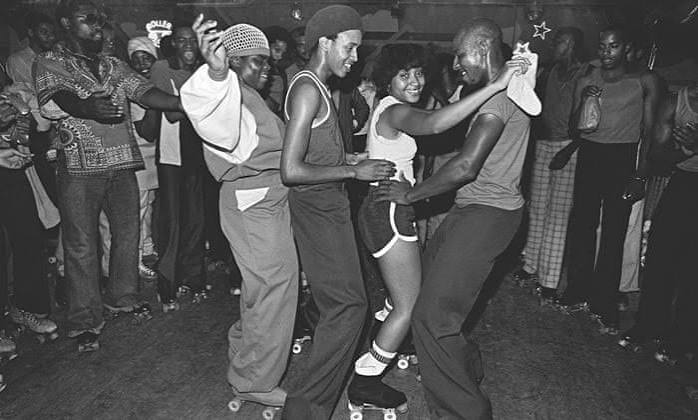
Contrary to popular belief, disco never actually died; it simply changed its outfit. While mainstream culture famously declared the genre “dead” following a highly publicized backlash in 1979, disco merely retreated back to the underground spaces where it was born. There, it laid the foundational DNA for nearly all modern electronic dance and pop music.
The Sanctuary of the Four-on-the-Floor
In the early 1970s, disco emerged not as a corporate marketing scheme, but as a vital subculture. It began in private New York City underground spaces, most notably David Mancuso’s legendary venue, The Loft. It served as a sanctuary for Black, Latino, and LGBTQ+ communities. These marginalized groups sought refuge from a hostile, mainstream society.
Musically, it fused the driving orchestration of Philadelphia soul, the syncopated basslines of funk, and the hypnotic pulse of Afro-Cuban rhythms. DJs pioneered early sound system technologies, smooth beatmatching, and the 12-inch single format to keep people moving continuously.
The central heartbeat was the “four-on-the-floor” rhythm—a steady, unyielding bass drum hit on every single beat that compelled bodies to dance.
Oversaturation and the “Disco Sucks” Backlash
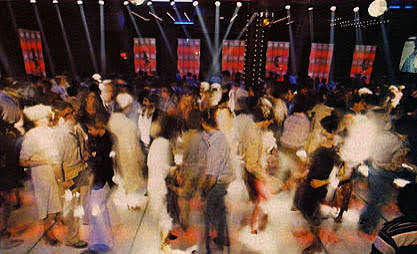
By 1977, the independent underground movement went completely mainstream. The massive cinematic success of Saturday Night Fever pushed disco into overdrive.
Suddenly, the genre made up 40% of the Billboard charts. Corporate record labels flooded the market with cheap, novelty records. Mainstream acts, ranging from rock bands to cartoon characters, hastily adopted the beat to stay relevant.
This commercial overexposure sparked a fierce, resentful backlash from traditional rock fans. On July 12, 1979, Chicago rock DJ Steve Dahl organized the infamous Disco Demolition Night at Comiskey Park. Thousands of rowdy fans detonated a massive crate of disco vinyl records on the baseball field, causing a full-scale riot. While framed as a simple protest against musical oversaturation, the destruction targeted records by Black and LGBTQ+ artists, revealing deep racial and cultural prejudices.
How the Music Survived and Evolved
The corporate music industry panicked after the backlash, scrubbing the word “disco” from albums and radio stations almost overnight. However, the music itself never truly went away—it simply evolved using new studio tools.
As live orchestras became too expensive, producers swapped out horn sections for synthesizers and acoustic drum kits for programmable drum machines. The fundamental essence of disco survived by splintering into vibrant new subgenres:
House Music: In 1980s Chicago, DJs at clubs like The Warehouse took old disco records, stripped them down, and sped up the electronic beats, effectively creating House music.
Hi-NRG and Synth-Pop: In Europe, producers like Giorgio Moroder utilized driving, fully synthesized basslines to build the foundation for 1980s pop.
Hip-Hop: Early rap pioneers heavily sampled the infectious breaks and bass grooves of classic disco tracks, such as Chic’s “Good Times,” to power their new sound.
The Groove That Started It All: How Disco Breathed Life Into Early Rap
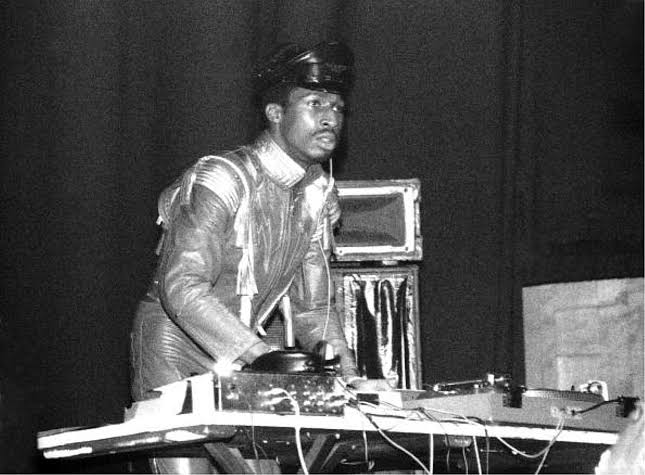
Early hip-hop often positions itself as a rebellion against disco. Popular history claims that hip-hop was born in the parks of the South Bronx as a gritty antidote to the commercial, glitzy club scene of the late 1970s. But look closer at the DNA of early rap music, and you will find that disco was not the enemy. It was the foundation.
From the beats that party-goers danced to, to the equipment DJs used, early rap heavily borrowed from, recycled, and reimagined disco music.
The Sonic Foundation: Building Beats on Disco Breaks
In the 1970s, hip-hop pioneers like DJ Kool Herc, Grandmaster Flash, and Afrika Bambaataa looked for records with extended drum solos or high-energy grooves. They called these sections “the break.” While funk records by artists like James Brown were staple ingredients, disco tracks provided the extended, steady, and high-fidelity rhythms that kept crowds moving.
DJs would buy two copies of the same disco record and use two turntables to loop the best parts of the song indefinitely.
Chic’s “Good Times” became the ultimate blueprint. Its hypnotic bassline was played live by the Sugarhill Gang’s studio band to create “Rapper’s Delight” (1979), the first commercially successful rap record.
Cherryl Lynn’s “Got to Be Real” and Taana Gardner’s “Heartbeat” provided the heavy, spacious grooves that early MCs used to anchor their live rhymes.
The Sound Systems
Early hip-hop DJs wanted their park jams to sound as booming and clear as clubs like the Paradise Garage or Studio 54. They modeled their mobile sound systems after disco club setups, chasing deep bass and crisp highs to ensure the MC’s voice carried over the block.
The Modern Soundscape
Today, the original 1970s sound completely dominates the global pop charts. Legendary electronic duos like Daft Punk brought analog disco instrumentation back to the mainstream with their Grammy-winning album Random Access Memories. Global superstars regularly top the charts using the signature basslines, glittering aesthetics, and uplifting grooves of the genre.
The explosive growth of Electronic Dance Music (EDM) festivals worldwide proves that the community spirit born on those early 1970s dance floors is healthier than ever. Disco didn’t die; it taught the rest of the world how to dance.
Check This Out...
-
Why We Miss 1990s R&B: Jodeci, Xscape, Mary J. Blige, D’Angelo, TLC, Aaliyah Plus Many More Gave Us Music We Can Never Let Go Of–And Can’t Be Replaced + Era-Defining, Must Have Albums
-
Legendary R&B And Soul Singer Freddie Jackson Laid To Rest In Harlem On Monday: Melba Moore, Valerie Simpson, And More Pay Tribute + Video Of Homegoing Service
-
90s-2000s R&B Fans Are In For A Treat: A New Verzuz Battle Featuring Carl Thomas Vs. Case: Thursday, October 22 At 9:00 P.M.
-
The East Point News Rewind: The Dynamic Superiors Made History And Dazzled Audiences In The 1970s With Hit Songs–And A Lead Singer Who Wore Make-Up And Occasionally Performed In Drag
-
The East Point News Offers A New Feature To Readers: The East Point News REWIND. It Offers A Look At Unique Music And Entertainment Figures Who Quietly Impacted Both Entertainment And Culture