

It is a homeowner’s worst nightmare. After a severe overnight storm, you look out your window to find your neighbor’s massive oak tree split in half, crushing your backyard fence and blocking your driveway. Your first instinct is likely to call your neighbor and hand them the bill.
Legally, however, you might be the one writing the check.
Property and insurance laws dictate a simple, surprising rule: where a tree lands usually determines who is responsible for the cleanup, regardless of who originally owned the trunk.
The “Act of God” Rule
According to insurance experts, if a healthy tree is knocked down by nature—such as high winds, lightning, or a heavy ice storm—the incident is legally categorized as an “Act of God.”
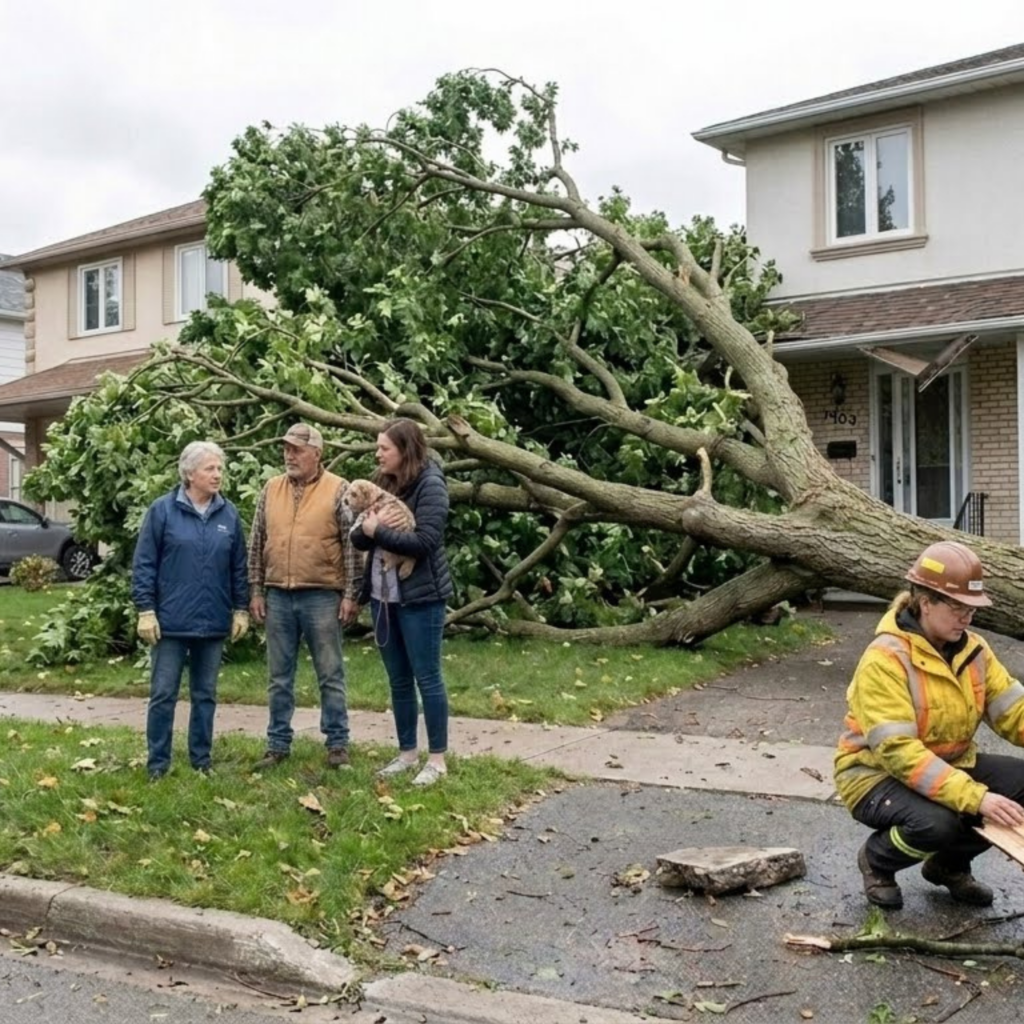
In these scenarios, your neighbor is not considered at fault. If the tree damages your home, garage, or fence, you must file a claim through your own homeowners insurance policy. Your insurer will cover the repairs, though you will still be responsible for paying your deductible. If the tree lands strictly on your lawn without damaging any structures, insurance companies rarely cover the debris removal, leaving you to pay for the chainsaw crew out of pocket.
If a vehicle is crushed, homeowners insurance won’t help. The vehicle owner must file a comprehensive claim through their auto insurance.
When a Neighbor is Liable
The rules change dramatically if the fallen tree was visibly dead, diseased, or unstable before the storm.
If a homeowner neglects a rotting tree and ignores the risk it poses to surrounding properties, they can be held legally negligent. In this case, the neighbor—and their insurance provider—can be held fully liable for all resulting property damage and removal costs.
However, the burden of proof falls on the victim. To hold a neighbor liable, you must prove they knew the tree was hazardous. Experts recommend sending a certified letter or a dated text message to a neighbor the moment a dangerous tree is spotted. This creates a paper trail that insurance companies and courts can use to establish negligence.
How to Handle the Fallout
If you wake up to a neighbor’s tree in your yard, experts recommend a four-step response:
Document everything: Take immediate, clear photographs of the damage, the tree trunk, and any rotting wood.
Call your insurer: File a claim with your own insurance company first, even if you believe the neighbor is at fault. Your insurer may pay for repairs immediately and pursue the neighbor’s company for reimbursement later.
Talk, don’t sue–if possible: Initiate a calm, polite conversation with your neighbor. Many neighbors will voluntarily offer to split cleanup costs or help clear the debris to maintain a good relationship.
Hire professionals: Avoid the temptation to clear large logs yourself. Standard homeowners policies do not cover personal injuries caused by DIY chainsaw accidents.
Check This Out...
-
Ugly Loss: Georgia Bulldogs Players Told To Put Helmets On As They Exited The Field Due To Alabama Fans Throwing Water Bottles, Cans At Team: Fan Appears To Shove Bulldogs Player’s Head: Georgia Fans React On Social Media As SEC Expected To Weigh In
-
Georgia Bulldogs Win In Regular Season At Alabama For First Time Since 2007, Now 6-0: Late Game No-Call On Assumed Penalty Stirs Controversy: Bulldogs Poised For #1 Ranking With Texas Loss
-
Minutes Away From Kickoff At 7:30 P.M.: The #2 Ranked Georgia Bulldogs Travel To Alabama To Face The 6th Ranked Crimson Tide: Both Teams Enter The Celebrated Matchup Undefeated
-
Hurricane Isaias Is Now A Category 3 Hurricane: East Point And Metro Atlanta Impact To Be Felt Later Today, Tomorrow: Flood Watch In Effect, Governor Declares Statewide State Of Emergency: How To Prepare
-
Atlanta Humane Society Announces Dog Adoption Event in Marietta On Saturday, October 10 From 12 P.M. – 3 P.M.