
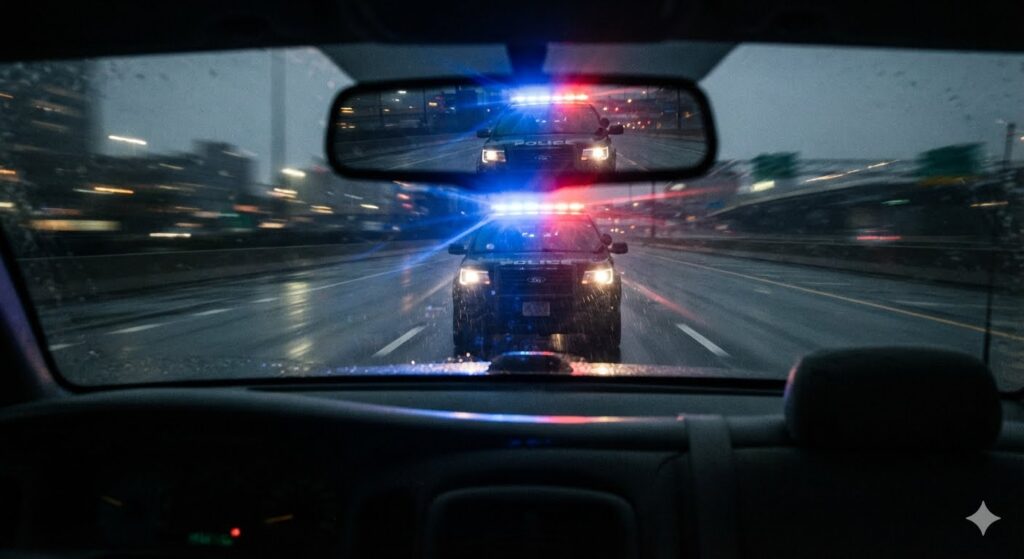
During a traffic stop, the focus should be maximizing personal safety and avoid escalating the interaction to ensure a safe return home. Legal experts, civil rights organizations like the ACLU, and community advocacy groups recommend avoiding specific actions to prevent escalation. This has become especially important for Mimority members of the public in light of police-involved shootings of unarmed citizens, particularly Black men, while ICE arrests have been on the increase.
Critical Physical Actions to Avoid
Making sudden movements: Do not reach for your glove compartment, center console, or pockets until the officer explicitly instructs you to do so.
Hiding your hands: Do not rest your hands out of sight; keep both hands clearly visible on the top of the steering wheel.
Exiting the vehicle unprompted: Do not step out of your car unless the officer legally commands you to do so.
Reaching for an disclosed weapon: If you legally possess a firearm, verbally inform the officer of its location immediately. Do not reach toward it or pull it out.
Fleeing or physically resisting: Do not attempt to run or physically fight an officer, even if you firmly believe the stop or an arrest is entirely unlawful
Verbal and Legal Missteps to Avoid
Arguing the merits of the stop: Do not litigate your innocence or argue with the officer on the side of the road. Legally contest the citation later in court.
Volunteering unnecessary information: Do not offer stories, excuses, or admissions of guilt; state your identity, and then clearly declare your right to remain silent if questioned further.
Lying to law enforcement: Do not provide fake identification or false verbal statements, as this creates immediate grounds for criminal charges.
Consenting to a vehicle search: Do not give permission if an officer asks to search your car. State clearly and calmly, “I do not consent to a search,” though do not physically block them if they proceed anyway.
Standard Safety Recommendations
To keep the interaction as transparent and safe as possible, drivers often adopt specific routines:
Roll down all windows: Fully lower the driver’s side window—and heavily tinted passenger windows—so the officer has total visibility into the vehicle.
Turn on interior lights: If you are pulled over at night, immediately switch on your overhead cabin lights.
Pre-stage documents safely: Keep your license, registration, and insurance clipped to your sun visor or placed directly on the dashboard so you do not have to reach into hidden compartments.
Record the interaction: You have a legal right to openly record police interactions from inside your car, provided it does not physically obstruct the officer’s duties.
Check This Out...
-
Former Ward D Councilmember Stephanie Gordon Sponsors Tribute To Former Councilmember, State Representative Joe Heckstall: Bridge Dedicated To The Legacy Of East Point’s First Black Councilmember
-
Ugly Loss: Georgia Bulldogs Players Told To Put Helmets On As They Exited The Field Due To Alabama Fans Throwing Water Bottles, Cans At Team: Fan Appears To Shove Bulldogs Player’s Head: Georgia Fans React On Social Media As SEC Expected To Weigh In
-
Georgia Bulldogs Win In Regular Season At Alabama For First Time Since 2007, Now 6-0: Late Game No-Call On Assumed Penalty Stirs Controversy: Bulldogs Poised For #1 Ranking With Texas Loss
-
Minutes Away From Kickoff At 7:30 P.M.: The #2 Ranked Georgia Bulldogs Travel To Alabama To Face The 6th Ranked Crimson Tide: Both Teams Enter The Celebrated Matchup Undefeated
-
Hurricane Isaias Is Now A Category 3 Hurricane: East Point And Metro Atlanta Impact To Be Felt Later Today, Tomorrow: Flood Watch In Effect, Governor Declares Statewide State Of Emergency: How To Prepare