
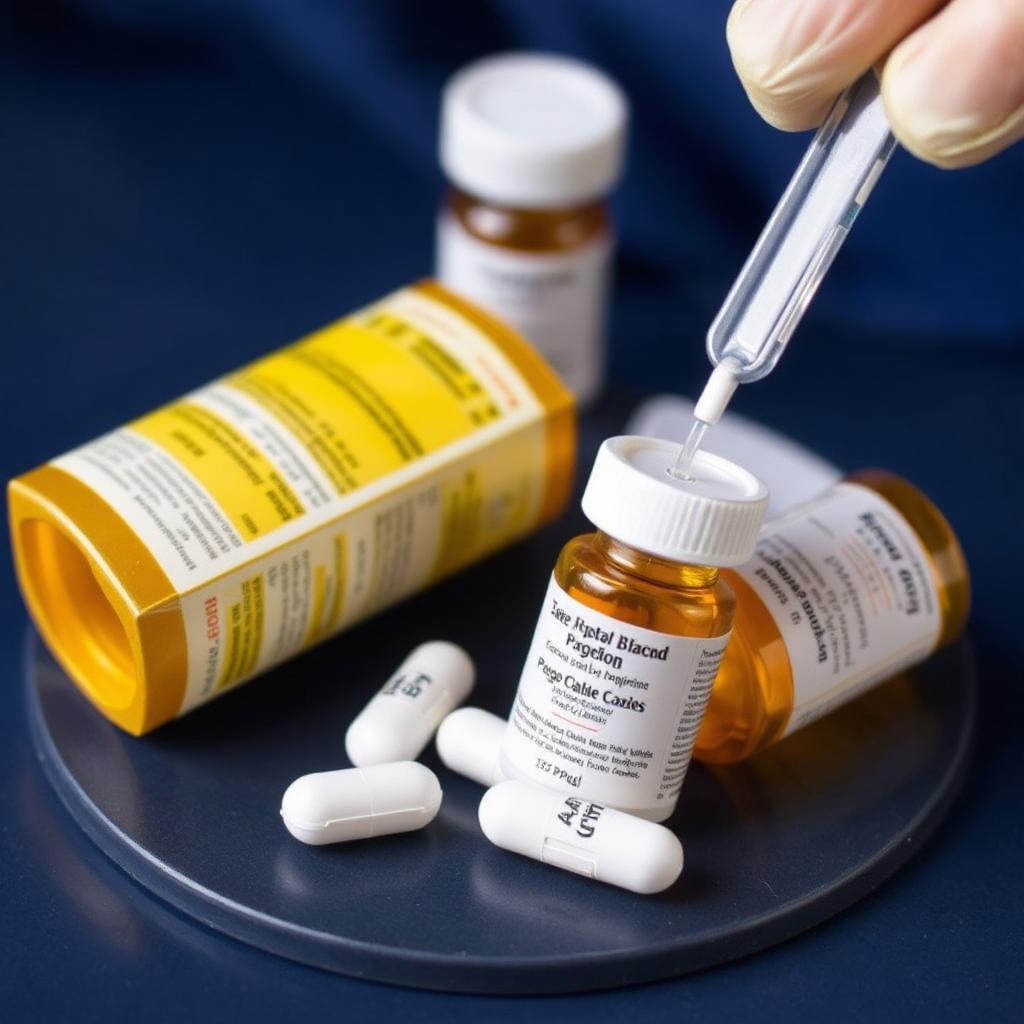
Pre-exposure prophylaxis (PrEP) — the daily or on-demand use of antiretroviral medication by HIV-negative people to prevent infection — has become one of the most effective tools in the global fight against HIV. Since its approval and wider rollout, PrEP has demonstrably reduced new HIV infections, averted suffering, and saved lives. This article reviews how PrEP works, the evidence of its impact, the populations most helped, and the broader public-health lessons learned.
How PrEP Works PrEP involves taking antiretroviral drugs (most commonly a combination of tenofovir and emtricitabine) before potential exposure to HIV. When taken as prescribed, these medications maintain drug levels in tissues and blood that block HIV from establishing infection. There are two main regimens: daily dosing and event-driven (on-demand) dosing for certain populations. Newer long-acting injectable formulations offer additional options for adherence-challenged individuals.
Evidence of Effectiveness: Clinical trials and real-world studies consistently show that PrEP dramatically reduces the risk of HIV acquisition:
- Men who have sex with men (MSM) and transgender women taking daily oral PrEP experience risk reductions of over 90% with high adherence.
- Heterosexual serodiscordant couples see similarly high protection when the HIV-negative partner uses PrEP.
- Real-world rollout programs in cities and countries with high PrEP uptake have recorded substantial declines in new HIV diagnoses, sometimes by 40–70% in targeted populations over just a few years.
- Long-acting injectable PrEP has shown superior or comparable protection in trials, widening prevention options.
Lives Saved, Suffering Averted: The impact of PrEP extends beyond infection statistics:
- Direct mortality reduction: Preventing HIV infection prevents progression to AIDS-related illnesses and deaths, especially in areas where access to long-term antiretroviral therapy is uneven.
- Reduced long-term morbidity: Avoiding HIV preserves immune function and lowers the lifetime burden of care, comorbidities, and medication side effects.
- Preventing onward transmission: By lowering the number of people who acquire HIV, PrEP reduces the pool of potential transmitters, indirectly protecting entire communities.
- Economic and social effects: Fewer infections mean reduced healthcare costs, less lost productivity, and fewer families impacted by chronic illness and stigma.
Who Benefits Most? PrEP has been particularly life-saving for populations at elevated risk:
- MSM and transgender women in high-incidence settings.
- Serodiscordant couples where one partner is HIV-positive and the other is negative.
- People who inject drugs in regions with needle-sharing-driven outbreaks.
- Sex workers and others with frequent exposure risks.
Barriers and Inequities: Despite its proven efficacy, access to PrEP has been uneven:
- Cost, insurance coverage gaps, and limited clinic availability block many who could benefit.
- Stigma and lack of awareness reduce uptake in communities that most need PrEP.
- Racial, geographic, and socioeconomic disparities mean that lower-income and minority populations often receive PrEP at lower rates than higher-income, majority groups, perpetuating inequities.
- Lessons Learned and the Path Forward:
- The successes around PrEP adoption offer clear public-health lessons:
- Combination prevention works: Integrating PrEP with testing, condoms, harm reduction, and treatment-as-prevention multiplies benefits.
- Diversify delivery models: Community clinics, telehealth, mobile services, and pharmacy-led programs increase access.
- Address structural barriers: Subsidies, policy changes, and community outreach reduce cost and stigma barriers.
- Tailor messaging: Culturally competent education increases awareness and adherence among diverse populations.
- Expand options: Promoting long-acting injectables and other formulations can help those who struggle with daily pills.
- Conclusion PrEP is more than a medication; it is a lifesaving prevention strategy that has changed the trajectory of the HIV epidemic where implemented widely and equitably. By preventing new infections, reducing morbidity and mortality, and decreasing onward transmission, PrEP has saved lives and will continue to do so as access expands and innovations make prevention easier to use. The challenge now is ensuring that everyone who could benefit from PrEP—regardless of income, race, gender identity, or geography—can obtain it easily and without stigma.
Check This Out...
-
Atlanta Pride Updates Sunday Schedule, Cancels Saturday Events Due To Weather Circumstances: The Popular Parade And Multiple Other Events Will Take Place Tomorrow
-
Fulton County District Attorney Fani Willis To Host LGBT+ Question And Answer Session On Tuesday, September 29: Event Will Be Held Ahead Of Atlanta Pride, National Coming Out Day
-
The Unusual Circumstances Surrounding 31 Year Old Deundray Cottrell’s Death Sparked Viral Speculation: His Ex-Boyfriend Has Now Been Charged With His Killing
-
Former Transportation Secretary Pete Buttigieg Says America Is Ready For A Gay President On NBC’s “Meet The Press”: He Also Addresses Prior Lack Of Support From Black Voters
-
Black Pride Gets Fully Underway In The Metro: The Event Features Poetry Slam, Music, And More Celebrating The Black LGBT+ Community: More Than 100,000 People Expected To Attend Various Events