

The East Point City Council in its regularly scheduled meeting Monday night made a decision to keep the city’s utility costs at a winter rate–choosing not to adjust the city’s rate structure to a summer rate, which would have increased utility bills citywide.
The City of East Point has long maintained both winter and summer rates. But the summer rate structure, which is the higher rate of the two, was frozen several years ago during the COVID pandemic.
City Manager Redmond Jones told council members that an unexpected budget shortfall made adjusting the city’s rate fees to the summer, and therefore higher, rate would be required to offset the budget gap.
It’s unclear why the summer rate was not reinstated earlier, but the rate issue has become a polarizing one for many local residents.
Though the rate adjustment would only technically lead to a rate increase since the city would potentially be reinstating a higher priced structure that was supposed to already be in place, some residents said the imposition of the summer rate is still a potential rate increase.
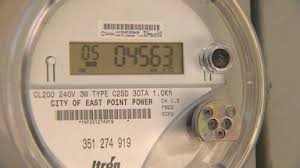
They also said the City should take responsibility for not installing the rates earlier and shouldn’t now burden utility customers with the increase.

“I would tell them don’t raise the rates. Find another way to get some money to the city,” Marie Terry, a longtime activist and former city council candidate, told WSB-TV.
A protest that took place on city hall grounds against the rate adjustment was led by former East Point Mayor Earnestine D. Pittman.
Other residents accused the city of kicking the can down the road by not implementing the adjustment. Those residents believe the city is digging itself into a deeper financial hole by not tackling the adjustment now.
“Its not sound fiscal policy” to not change the rate, said Melanie, a resident from Center Park.
However, several council members sought to temporarily allow the winter rate to stay in effect while a rate review, which was already underway and could be released in days, was undertaken.
East Point’s winter rate is 9.3 cents per kWh or kilowatt hours; the summer rate is 12.2 to 13.9 cents per kilowatt hours, depending on usage volume. The average U.S. home uses 875–900 kWh of electricity per month. The difference could be $50 per month or considerably more, depending on power usage, which concerns many East Point residents, a number of whom lived on fixed incomes. Incidentally, East Point has one of metro Atlanta’s highest poverty rates at 19.9%, according to census data.
East Point, like next door College Park, operates its own municipal utility but over the years, East Point’s utility has come under criticism and scrutiny over what many in the community believe are inexplicably higher than expected bills and regular outages, which has made the subject of rate increases of any kind a sensitive topic in the city.
There was obvious division among council members over whether or not to implement the rate adjustment, and a lengthy discussion ensued without any resolution seemingly in sight until the council took a vote that would temporarily leave the rate in place pending the outcome of the review.
Ward D Councilwoman Andrea Caldwell initiated the motion to temporarily maintain the winter rate and was seconded by Ward C Councilman Tremayne Mitchell. They both then voted yes again to keep the rate the same during the full council vote and were joined by Ward D At-Large Councilwoman LaTonya Martin-Rogers and Ward C Councilwoman At-Large T. Starr Cummings.
Ward A Councilwoman At-Large Japera Hemming; Ward B Councilwoman Carrie Ziegler; and Ward B At-Large Councilman Shean Atkins voted to change the rate to the summer rate.
Councilwoman Ziegler referenced a concerns that she said an unidentified person brought to her claiming the city did not have enough electric power to keep operating but the city’s power director quickly told her that whomever she got that information from was incorrect and that East Point has “plenty of power” to keep the city going.

Five votes, or a simple majority, are required for a measure to pass on the 8-person council. In the event of a 4-4 tie, Mayor Keisha Chapman would cast the tie-breaking vote. However, East Point’s Council Rules (#14) specify that when a council member leaves early without being excused by the Mayor or a Presiding Officer, their vote would be cast as a yes or affirmative vote, irrespective of that council members’ actual intent.
Ward A Councilman Eric Friedly left the council meeting more than an hour before the meeting concluded without being excused, as was pointed out by Councilman Mitchell, who referenced the long-established rule.
City Attorney L’Erin Wiggins, after quickly reviewing the city’s ordinances, agreed with Councilman Mitchell.
Councilman Friedly’s vote was therefore entered into the record as a yes vote, long after he had left the meeting, allowing the rate to stay at its current level.
Additionally, Ward A Councilwoman Hemming connected to the meeting remotely from Pennsylvania via Zoom in order to cast her vote to adjust to the summer rate. The city had to confirm with state officials prior to the meeting that would be allowed. According to Georgia law, a virtual appearance is acceptable if the council member is out of the jurisdiction but can only be implemented twice in one calendar year.
Check This Out...
-
Ugly Loss: Georgia Bulldogs Players Told To Put Helmets On As They Exited The Field Due To Alabama Fans Throwing Water Bottles, Cans At Team: Fan Appears To Shove Bulldogs Player’s Head: Georgia Fans React On Social Media As SEC Expected To Weigh In
-
Georgia Bulldogs Win In Regular Season At Alabama For First Time Since 2007, Now 6-0: Late Game No-Call On Assumed Penalty Stirs Controversy: Bulldogs Poised For #1 Ranking With Texas Loss
-
Minutes Away From Kickoff At 7:30 P.M.: The #2 Ranked Georgia Bulldogs Travel To Alabama To Face The 6th Ranked Crimson Tide: Both Teams Enter The Celebrated Matchup Undefeated
-
Hurricane Isaias Is Now A Category 3 Hurricane: East Point And Metro Atlanta Impact To Be Felt Later Today, Tomorrow: Flood Watch In Effect, Governor Declares Statewide State Of Emergency: How To Prepare
-
Atlanta Humane Society Announces Dog Adoption Event in Marietta On Saturday, October 10 From 12 P.M. – 3 P.M.