
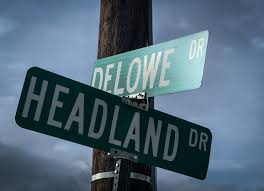
It’s an intersection that not only connects streets and neighborhoods–it connects the people and the communities surrounding it with Hip Hop history: Headland Drive and Delowe Drive in East Point, Georgia or, as they are most commonly known and celebrated as, Headland & Delowe.
To most newcomers to “The A” and East Point, Headland and Delowe’s intersection doesn’t particularly stand out. On any given day, the intersection and its immediate vicinity look like any other neighborhood within any majority-Black area in any city in America. There’s the decades-old shopping plaza, a gas station, and dollar store across the street. Accompanying them are a few smaller retailers and a medical services building.
However, looks can be not only deceiving, they also often don’t tell even a fraction of the story. That’s because Headland And Delowe is among the most famous blocks in Hip Hop history–thanks to a few of the world’s most celebrated music artists, several of whom at some point in their lives called the area home.
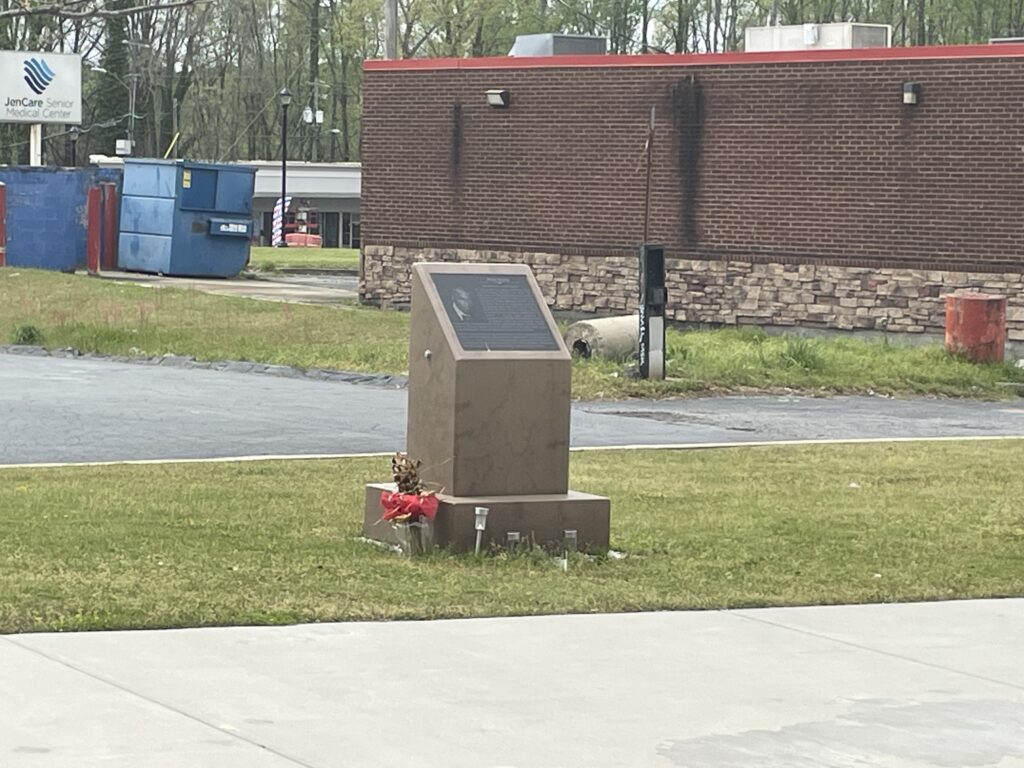
And the tall, dark bronze colored structure that sits near the corner facing Headland tells a story of its own: It’s a plaque that pays tribute to one of East Point’s most famous sons, legendary Organized Noize co-founder Rico Wade.
The stunning monument was erected at the request last year of several former East Point leaders, including the former Mayor and former Ward A Councilwoman At-Large. It routinely attracts the attention of onlookers–some of whom know the area’s history and others who are curiosity seekers.
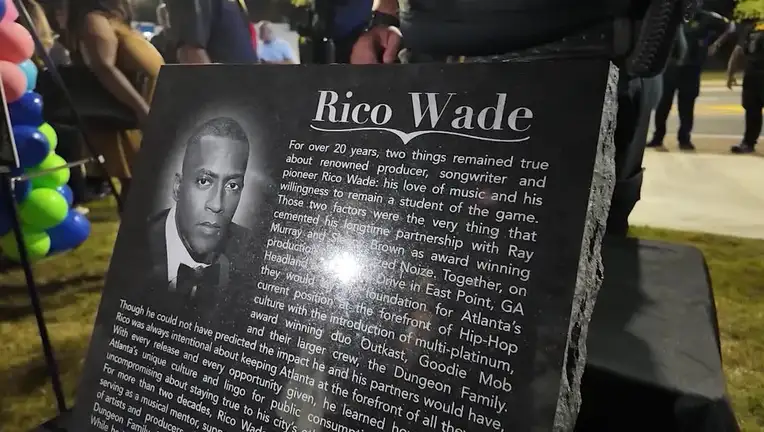
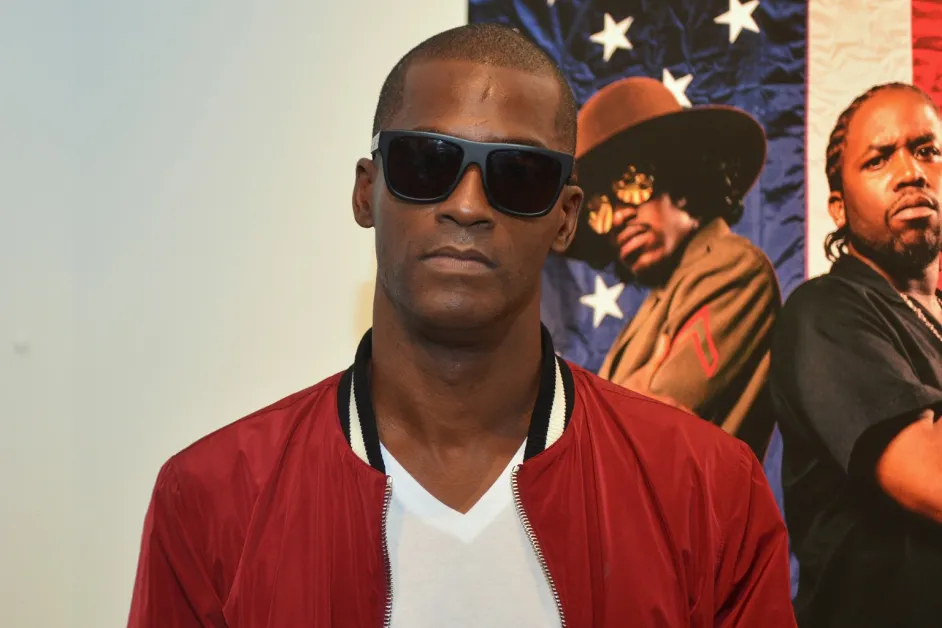
Rico Wade passed away at 52 years of age in 2024.
Wade, along with Sleepy Brown and Ray Murray, worked out of Wade’s mother’s Lakewood Heights home in Atlanta and later in an East Point home. The group would nickname the basement of the home “The Dungeon”. It would become easily the most famous basement in Hip Hop history. That’s because the basement would become a launchpad for ambitious artists where hit after hit would be crafted with Organized Noize’s thumbprint, lifting Goodie Mob, The Dungeon Family, Outkast and many others including Ludacris, Xscape and TLC into superstardom.
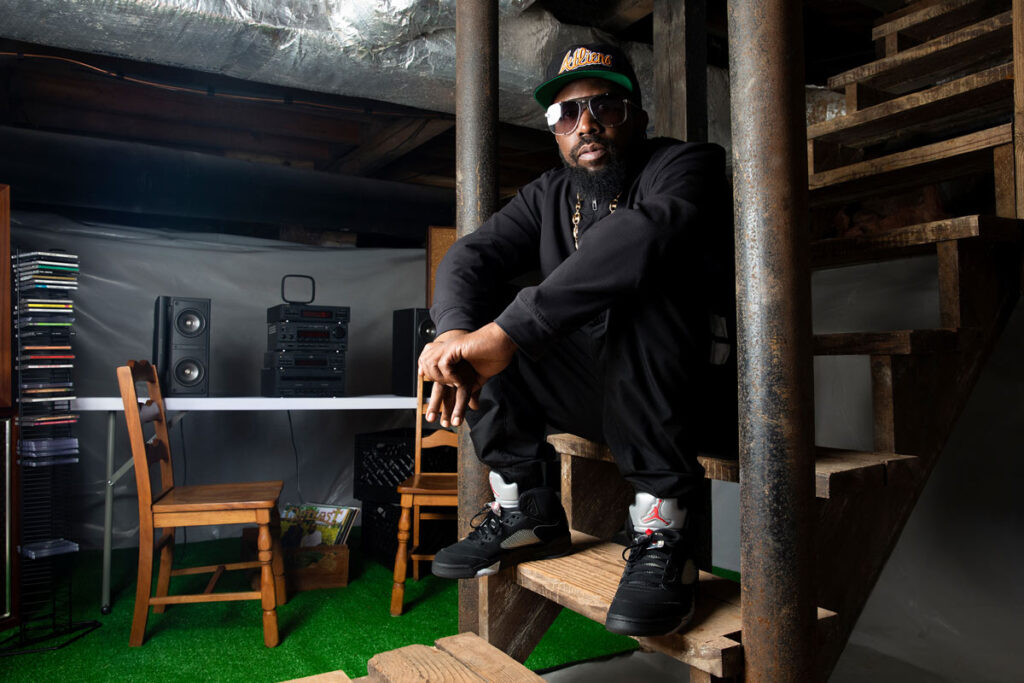
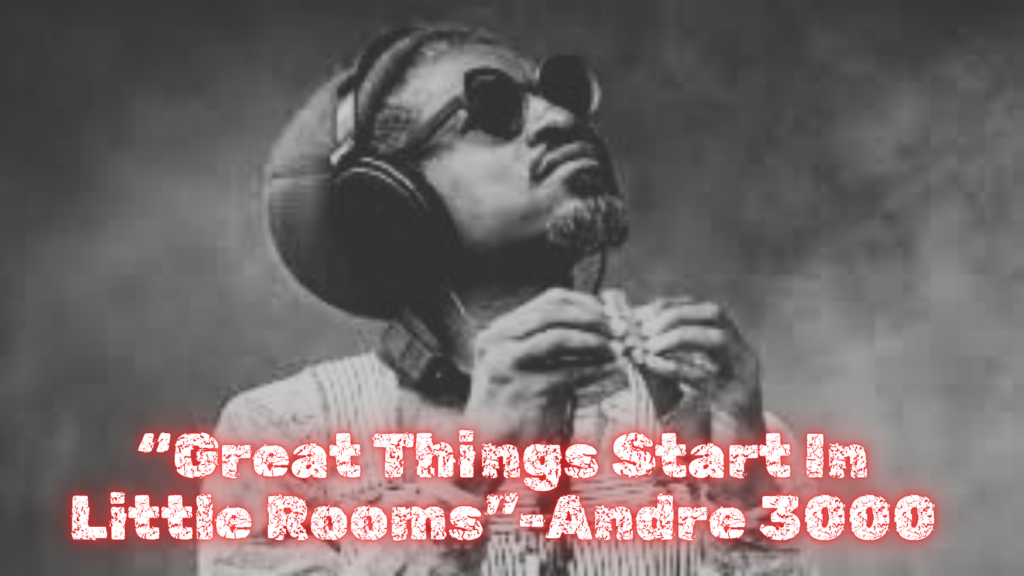
“Great things start in small rooms”, rap legend and Dungeon Fanily member Andre 3000 once said, and he ain’t never lied: The Dungeon Family is one of the most prolific musical collectives in music history, and the basement where it all started may have been one of the most amazing spaces on Earth.
*******
While East Point had for many years gone largely unrecognized by the music industry, the global success of the talent that blew up from The Dungeon would help make East Point and Headland And Delowe familiar names not just in music but in pop culture as well.
Headland And Delowe’s notoriety rose as Organized Noize’s success, impact, and its roster of successful artists grew because the group was one that was proud of its roots, and wasn’t afraid to shout out where they came from in music and in interviews.
And as everything Orgainzed Noize touched seemed to turn to gold–or platinum–their success became East Point and Atlanta’s success. Pretty soon, Organized Noize and the Dungeon Family proved that Atlanta and East Point not only had something to say but had staying power as well.
*******
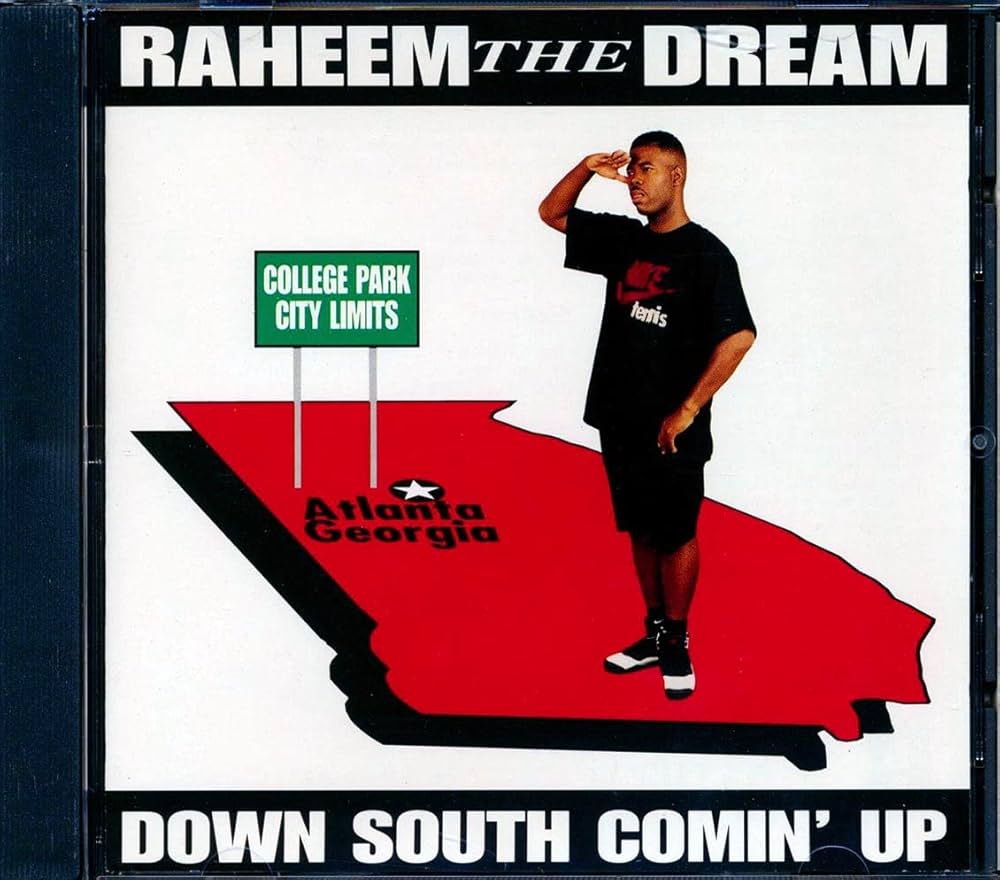
Atlanta’s Hip Hop evolution began in the 1980s when artists like Raheem The Dream and MC Shy D enjoyed early success in the genre, putting an Atlanta spin on a new style of music that was rarely heard on mainstream radio stations, but instead was heard at house parties, on mixtapes, and in clubs.
At the time, East Coast artists such as Run D.M.C., The Fat Boys, The Beastie Boys and LL Cool J dominated the charts, representing NYC’s uncontested dominance of the rap game.
While Hip Hop radio was still in its infancy, big-name New York rappers were able to get airplay on some mainstream radio stations while few Southern artists could enjoy the same access.
This is where College Park’s significant contribution to local Hip Hop’s emergence deserves mention. The rapper formerly known as Tity Boi but now known as 2 Chainz made waves straight from College Park along with his former group, The Playaz Circle.
And artist and label executive DJ Smurf, also known as Mr. Collipark, originated from CP as well.
In fact, Atlanta’s first dedicated Hip Hop radio station, WHTA-FM, then known as Hot 97.5 but now known as Hot 107.9, got its start broadcasting out of a humble College Park trailer back in July 1995.
Hot 97.5 introduced the world to Chris Luva Luva, now known as Ludacris, and also helped introduce the industry to pre-teen sensations Kris Kross.
Today’s bevy of successful College Park rappers and singers can be proud knowing their city, along with Atlanta and East Point, made its own major and historic contributions to the sound that would become known as The Dirty South.
*******
In the 80’s, Atlanta’s Hip Hop scene was heavily influenced by the Bass, “Booty Shaking” sound dominating in and coming out of Florida, in particular Miami. Dancing was popular and moves had nicknames: Before “Twerking” there was “The Cabbage Patch”, “The Network”, “The Prep”, “The Tootsie Roll”, and “The Butterfly” and at the time in ATL, it was all about who could do the latest dance moves–while rocking painted on or neon jeans, a fresh pair of Adidas or some flip flops with socks, and a fresh Jheri curl.
Amidst the backdrop of bass and booty-shaking, there were few clues in the era that Atlanta and East Point were about to take Hip Hop on a chart-topping, decades-long ride across the Dirty South and ultimately the world. But by the time 1990 arrived, Atlanta’s sound and its Hip Hop scene was evolving and growing so rapidly that by the time calendars got to 1995, Outkast was staking their claim as emerging new members of Hip Hop royalty–and Atlanta and East Point were being recognized as cities that would help redefine what Hip Hop sounded like.
Indeed, to countless fans, it wasn’t so much a hostile takeover when Atlanta took control over Hip Hop as it was a seemingly overnight conversion–a musical rebirth and revolution led by Grady Babies who could make heads nod and get feet on dance floors across the map. So, when Andre 3000 told a skeptical crowd at the 1995 Source Awards in NYC that “The South got something to say”, he meant it–and attendees soon learned it, as 3000’s words would prove prophetic.
And even as the dance floor was still filled with enthusiastic bass-hungry booty shakers, Outkast expanded what Atlanta’s sound came to be recognized as by virtue of intricate wordplay, mind-blowing lyrics, a unique and contrasting style and visual presence, and an unmistakably ATL vibe that the world would soon embrace, fully. Introducing The Atlanta Sound via cassette tape, CD, or radio. With an East Point curve.
*******
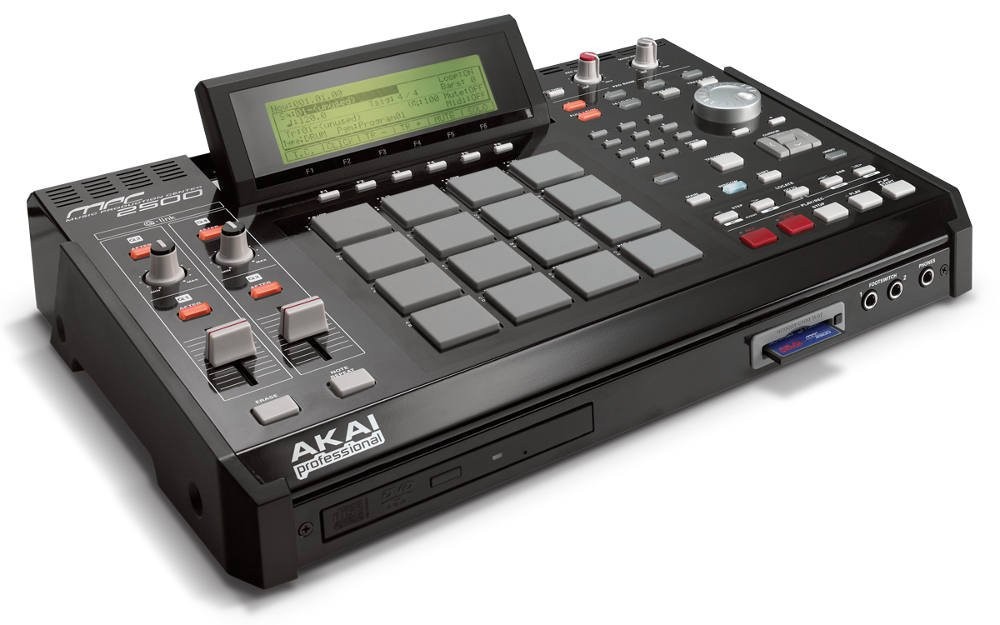
Music software and equipment and the rise of at-home studio recording proved to be a game changer for ambitious, talented artist-producers who would harness the emerging technologies in order to fashion their own ideas into sound and the sound into hits and the hits into dreams, fulfilled.
The arrival of the MPC 2000 and later 2500 and 3000, Fantom and Roland keyboards, Digidesign interfaces, and software like Reason, Pro Tools, and FL Studio (formerly Frooty Loops) made making music at home suddenly possible–and practical.
This new wave of music technology was embraced by producers who did not need a degree or a ton of dough to take their skill to the top–just time, hard work, and creativity.
Gone were the days when up and coming producers relied exclusively on the big, expensive studio houses that cornered the market for so long in Atlanta: Technology paved the way for creatives to produce an entire album from beat-making to mixing to mastering all without leaving home and suddenly, Atlanta’s sound expanded and opportunity expanded for anyone willing to hustle and grind.
*******
The nearby Greenbriar Mall and the Greenbriar Flea Market were important destinations in Atlanta’s growing Hip Hop hegemony in the early 1990s when talent shows and open mics were a regular feature at both shopping centers. Soon, driven by the style and culture driving Atlanta’s evolving Hip Hop sound, the city’s club scene grew as well.
Mr. V’s in the Westgate shopping center on Campbellton Road became a favorite destination for the grown and sexy urban set while teens were able to party a few feet away from their parents at My Brother’s Keeper, which was also housed at Westgate, and became the city’s preeminent teen-club spot.
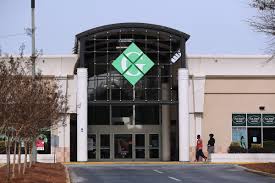
But the venues that held the most unique influence in immersing themselves into Atlanta Hip Hop culture while also breaking records has long been the city’s renowned adult entertainment clubs, which helped to disseminate the booming Atlanta sound while highlighting the city’s culture and its lovely Georgia Peaches. In the 1990s, the legendary Club Nikki, The Gentleman’s Club, and Magic City were the predominant hot spots for adult entertainment–and also places where emerging rap talent were able to get their music spun and spread at three of the most popular and revered strip clubs in the nation.
They were also networking destinations for artists, producers, label executives, other music industry figures along with professional sports athletes and power brokers.
*******
The automobile has long played a pivotal role in Black culture and Atlanta and East Point are no different. Fixing up one’s car, or whip, in The A is almost as important to many people as keeping a clean hairstyle. Custom paint jobs, massive chrome or body-colored wheels, bone-jarring bass, and exotic interior modifications are the norm in Atlanta and East Point, and the area’s Hip Hop culture mandated fly cars.
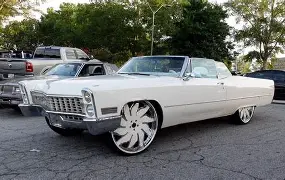
Riding clean in old skool whips, modified new cars, dunks, SUV’s on 30 inch wheels and everything in between have long been features on Atlanta streets, but Hip Hop inspired car enthusiasts to take their obsession to another level, a trend that continues today.
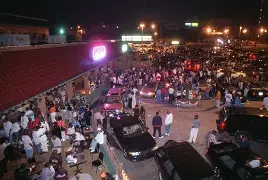
As Atlanta claimed its crown as the capital and birthplace of The Dirty South sound that began to take over the airwaves, many businesses and events fed off the groove and helped propel the local Atlanta economy and further exposed the city and its music culture to broader audiences.
Freaknik, the yearly gathering of what once was mostly college students, morphed into the biggest and longest running annual block party ever, and fully embraced the Atlanta sound and emerging culture it spawned.
Local merchants became staples of rap fans who wanted to not just listen to Atlanta rap but look like it as well and retailers like Eddie’s Gold Teeth, located on Headland at the Greenbriar Flea Market, became household Hip Hop names.
Helping to push the cultural vibe was local producer and TV host the late Arnell Starr, who’s popular “American Music Makers” TV show would prove pivotal in the early 2000s in addition to the 1990s program, “Atlanta Jams”. Both helped bring the Atlanta vibe and the party to local TV, while exposing viewers to some of the area’s most in-demand artists.
*******
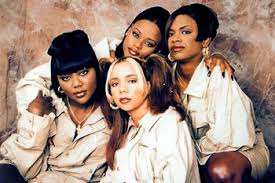
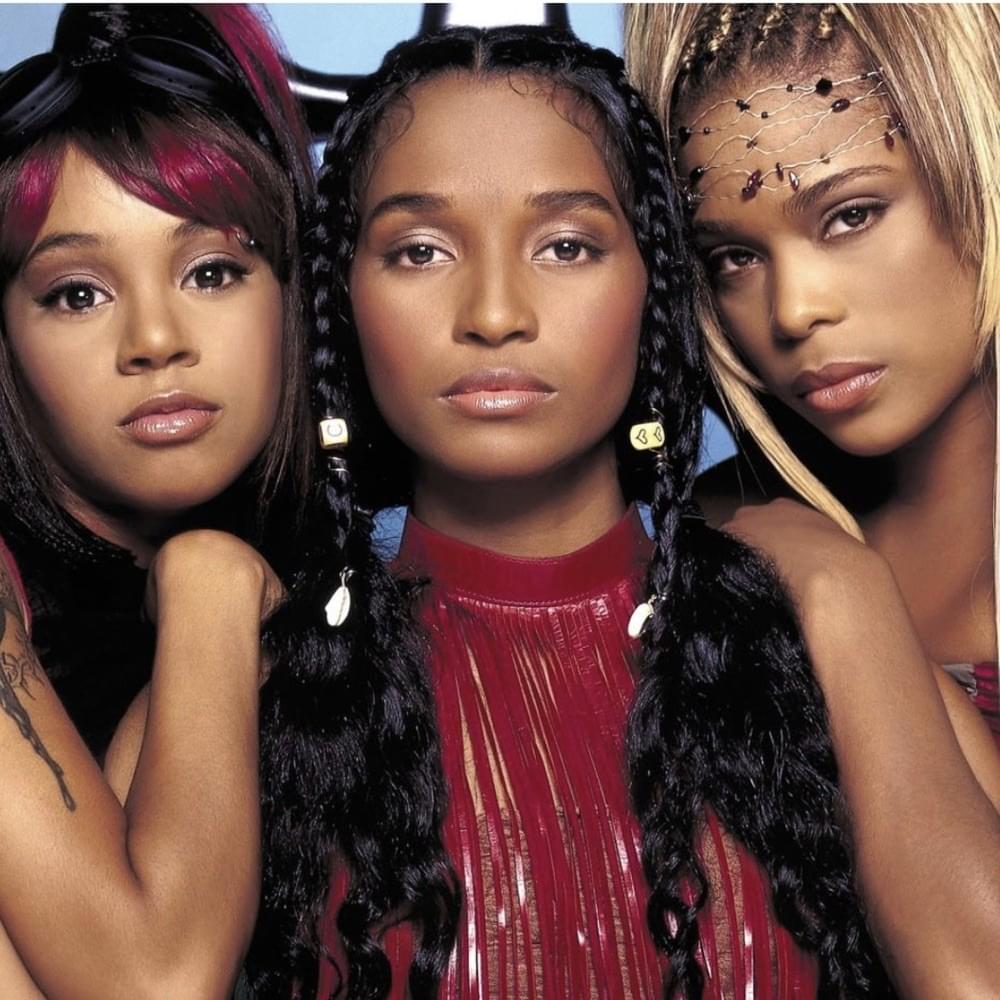
Almost suddenly, it wasn’t only rappers, rap producers, and rap-loving entrepreneurs who were enjoying the city’s newfound musical glory: R&B singers were also enjoying commercial success. East Point’s Xscape exploded onto the scene in 1993 with a distinct and trendsetting sound, and Atlanta’s TLC offered a fun and upbeat Hip Hop energy with a contemporary spin on R&B. Both groups notably brought new look to the scene as well.
And both groups were produced by Organized Noize.
Super producer and legendary singer Babyface brought his own magic to the city, and local mega producer Jermaine Dupree built So So Def Records into a hit-making powerhouse as well, significantly helping to expand and further diversify what Atlanta sounded like.
And as Atlanta solidified its position as the new and undisputed Capital of Hip Hop, East Point was in the car riding shotgun.
Atlanta’s unchallenged rap supremacy and East Point having served as a nearby incubator of talent helped ensure both cities would be represented in the next frontier of entertainment: TV and film production. As movie productions got bigger and the A-listers came flocking, Atlanta soon became known as Black Hollywood and East Point earned a designation as a landing spot for countless film and TV productions that ranged from The Best Of Enemies to P-Valley and many more.
Then-playwright and then-budding director Tyler Perry turned to the East Point/Atlanta border when he opened his sprawling Greenbriar-area studio in 2009, bringing a taste of Hollywood to the area and then creating many film and TV projects in the neighborhood.
*******
As 2026 glides by, Atlanta remains the place where Hip Hop comes to do business. In fact, nothing consequential happens in music without Atlanta’s influence or input. It is home to most of the top artists and producers of today’s Hip Hop sound, and has a major foothold in TV, film, and also has a growing fashion and theatrical presence.
Meanwhile, though East Point has yet to yield a Rico Wade for the times, the artists who came of age here on their path to success still shout out East Point. Goodie Mob and Big Boi have performed multiple times at the city’s Wednesday Wind Down and the homes that some of these legends lived in are still there, with Wade’s mother’s house at one point serving as an Air B & B.
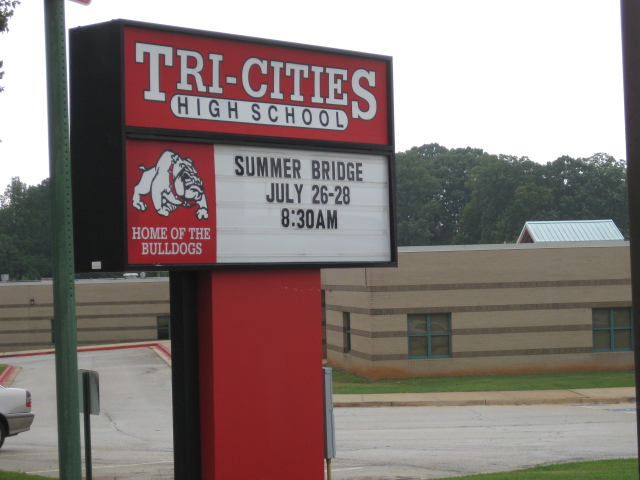
Another remaining institution from the era of East Point’s Hip Hop notoriety is one of learning, and helped educate some of the area kids who would go on to global fame and success: The proud Tri-Cities High School, where a who’s who of familiar names in music were taught: Wade; Andre 3000 and Big Boi; Tionne “T-Boz” Watkins of TLC; several members of Xscape; Lil Baby; and Young Thug to name a few.
The school, established in 1988, adopted as its motto these words: “We Are Collaboratively Preparing Students for Post-Secondary Options”. That’s putting it modestly, shawty: Few schools in the United States have so consistently and so comprehensively impacted American culture in general and Black entertainment specifically as has Tri-Cities, and that’s a legacy that continues today.
*******
Underpinning the commercial and entertainment dominance that Atlanta would stake a claim to has always been the area’s strong Black Culture, a culture that East Point shares with its bigger neighbor, along with a legacy that is influenced by the successful struggle for civil rights, the taking of and remaking of opportunity, striving and working for a better life, and a desire to see a majority-Black city thrive and prosper.
Atlanta, the birthplace of civil rights, and East Point were both once regarded as being two of the most racially segregated cities in the South. But today East Point, much like Atlanta’s Cascade area, boasts a strong and visible Black middle class that has served as the backbone to the community’s enduring strength and determination to keep pushing forward.
Along that journey, creativity in music and in particular Hip Hop has been an inspiring element of our lives but also a conduit for opportunity and expression. The creative energy that has flowed through Atlanta and East Point has opened doors for artists, executives, and entrepreneurs alike, securing legacies and opening pathways of success for many People Of Color.
And even though East Point’s contribution to the Atlanta Hip Hop Story may have been eclipsed by Atlanta’s red hot musical glow, the smaller city’s contribution to the music and the culture cannot be forgotten or minimized.
*******
In 2026, Headland And Delowe is much like East Point itself: low-key, closely tied to its past, carefully but optimistically embracing its future, and proudly linked to the strong Black cultural dominance that helped propel some of its one-time residents into stardom.
It’s a city and a community that is holding on and pushing on.
And it’s worth noting that the same pride, drive, and determination that inspired many East Point artists to succeed in the rap game also inspired the city’s voters to rally together to steer East Point away from being known as just a small, segregated town that in 1912 forced its Black residents to live in squalid, cramped areas of the city. For years, in fact, East Point was a city that was led by an all-Black council and mayor.
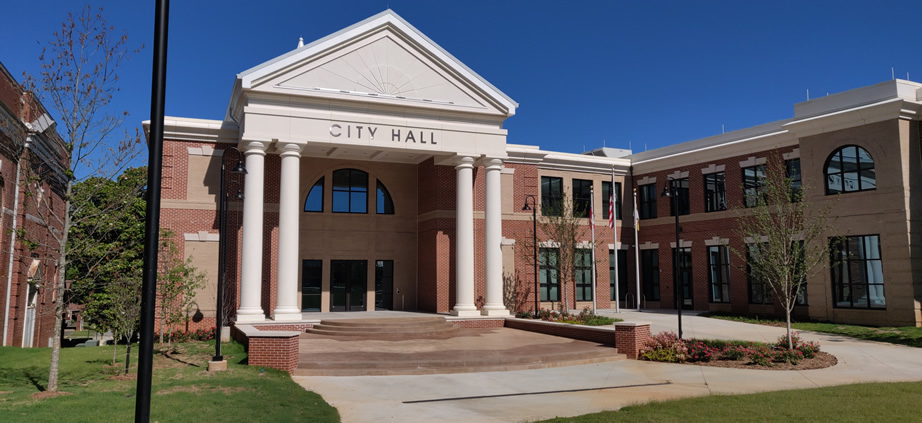
A casual stroll up and down Headland’s rolling hills reveal vintage, well-kept homes enmeshed in a thick, tree-laden landscape and a walk down Delowe reveals a mix of single-family dwellings, apartments, and a longstanding church. Some of the folks on both streets have lived here for years–many since birth.
Gospel music can be heard coming out of windows on Sundays, baked chicken dinners aren’t just for special occasions, and elections mean most of the neighborhood will cast their ballots. Folks here know the history and the struggle it took to secure the vote and therefore aren’t anxious to repeat any of that time period. They vote.
The neighborhood knows its history and its place within the book of Atlanta Hip Hop history. But at the end of the day, for the majority of folks in the area, it’s just home. It just so happens though that home has an incredible Hip Hop back story.
*******
Barely a mile away down Delowe, heading south, past the 166 overpass, Delowe meets Campbellton Road, which sits in the heart of southwest Atlanta. Campbellton itself has a notable past, a time when Black entrepreneurs maintained thriving businesses such as famed local artist and producer, Big Oomp, who years ago operated one of Atlanta’s most successful, Black-owned record store chains. Campbellton Road’s history is as much Atlanta’s history as it is East Point’s history–a road where East Point and Atlanta intersect.
It’s also a road that serves as a reminder that East Point and Atlanta aren’t just linked by boundaries, but by culture, history, perseverance, struggle, victory AND…by music as well.
Check This Out...
-
Ugly Loss: Georgia Bulldogs Players Told To Put Helmets On As They Exited The Field Due To Alabama Fans Throwing Water Bottles, Cans At Team: Fan Appears To Shove Bulldogs Player’s Head: Georgia Fans React On Social Media As SEC Expected To Weigh In
-
Georgia Bulldogs Win In Regular Season At Alabama For First Time Since 2007, Now 6-0: Late Game No-Call On Assumed Penalty Stirs Controversy: Bulldogs Poised For #1 Ranking With Texas Loss
-
Minutes Away From Kickoff At 7:30 P.M.: The #2 Ranked Georgia Bulldogs Travel To Alabama To Face The 6th Ranked Crimson Tide: Both Teams Enter The Celebrated Matchup Undefeated
-
Hurricane Isaias Is Now A Category 3 Hurricane: East Point And Metro Atlanta Impact To Be Felt Later Today, Tomorrow: Flood Watch In Effect, Governor Declares Statewide State Of Emergency: How To Prepare
-
Atlanta Humane Society Announces Dog Adoption Event in Marietta On Saturday, October 10 From 12 P.M. – 3 P.M.