
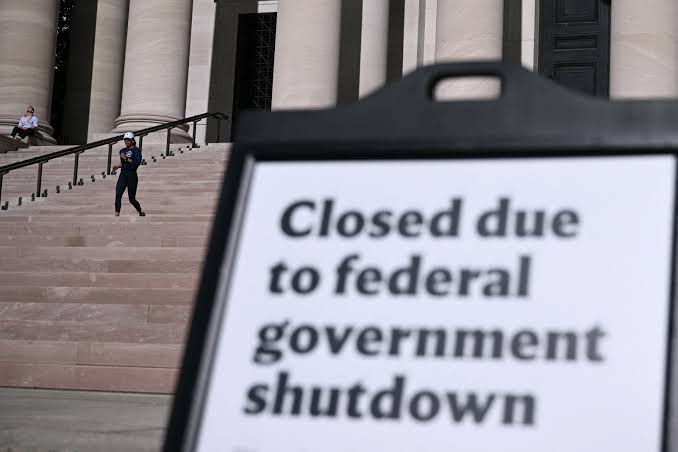
Fears of a new U.S. government shutdown are surging as a September 30 deadline approaches, fueled by a high-stakes standoff over the Senate filibuster and massive defense spending tied to ongoing conflicts.
Just months after weathering a record-breaking complete shutdown in late 2025 and a grueling 76-day partial shutdown of the Department of Homeland Security in early 2026, Washington is gridlocked yet again. If Congress fails to act before the midnight deadline on October 1, federal agencies will plunge into darkness right before the crucial November midterm elections.
The Flashpoints Driving the September Showdown
The path to a spending agreement is paralyzed by steep ideological divisions and unexpected structural changes within the Senate. President Donald Trump has explicitly warned of an unavoidable September shutdown unless Senate Republicans abolish the filibuster. Scrapping the rule would allow Republicans to bypass Democrats and push through conservative legislative priorities, including the Safeguard American Voter Eligibility (SAVE America) Act.
Spending talks have stalled due to fierce disagreements over a $1.5 trillion defense request tied to the conflict with Iran. Senate Minority Leader Chuck Schumer accused Republicans of creating a “bloated, partisan” budget process, while Republicans argue that the supplemental defense funding is necessary for national security.
The sudden passing of Senator Lindsey Graham and the extended medical absence of Senator Mitch McConnell have left Senate Republicans with an incredibly narrow 51-47 majority. This loss of key dealmakers has crippled bipartisan momentum and stalled standard appropriations markups.
What is at Stake If the Government Shuts Down?
Because Congress previously managed to secure full-year funding for several major departments through late 2026, the upcoming risk centers heavily around a partial or full disruption of the remaining fiscal year 2027 budget cycles. According to assessments by the Bipartisan Policy Center and historical data from past closures, a failure to pass a continuing resolution will trigger immediate fallout.
Federal Worker Pay Suspensions: Hundreds of thousands of essential personnel—including TSA officers, military service members, and federal law enforcement—would be forced to work without immediate pay, while non-essential staff face furloughs.
National Security Bottlenecks: The Aerospace Industries Association has warned that continuous budget lapses delay critical innovation, disrupt defense supply chains, and stall aviation safety frameworks.
Economic Stagnation: The Congressional Budget Office previously estimated that the 2025 shutdown permanently drained between $7 billion and $14 billion from the U.S. economy, severely impacting private-sector investments and federal loan access.
The Pre-Election Political Conundrum
With the midterms just weeks away, rank-and-file Republicans are deeply anxious to avoid an unpopular pre-election shutdown that voters could blame them for. Lawmakers like Senators Ron Johnson and Todd Young have floated emergency measures like the Shutdown Fairness Act to ensure federal workers remain paid during lapses, hoping to blunt the public backlash if negotiations collapse entirely.
However, with only a three-week window remaining before the standard August recess, time is running dangerously short. Unless House and Senate leaders can bridge the massive trust deficit on Capitol Hill, the U.S. is hurtling toward its third major government funding disruption in less than a year.
Check This Out...
-
Six Charlotte Cops Face Termination Over Texts Allegedly Containing Text Message Thread Filled With Racial Slurs, Racial Profiling, And Police Brutality: Allegedly Competed To Pull Over The Most Black Drivers: Texts Came To Light Amid Flock Camera Misuse Investigation
-
Handcuffs With That Order? Popular San Diego Chef Allegedly Kidnapped And Shot Ex-Girlfriend In Iowa In 2014, Then Fled The State: Social Media Popularity Led U.S. Marshals To Him
-
Federal Judge Blocks Deportation Of 28 Year Old NYC Man Shot By ICE Agents Thursday: Who Is Oscar Belgal, And What Are The Circumstances Surrounding His Case?
-
Mike Ditka Dies At 86: Legendary Chicago Bears Player And Later Head Coach Led The ’85 “Bad News Bears” To Super Bowl Win
-
Colorado Parents Who Take Their Small Kids On Record-Breaking Mountain-Climbing Ventures Reported To Child Protective Services By Online Critics, Won’t Be Prosecuted