

The nightly ritual for modern singles has become entirely predictable. Open an app, view a gallery of highly curated photos, swipe left or right, and repeat until the daily limit is reached. However, a growing wave of dating app fatigue is sweeping across the country. Frustrated by endless ghosting, superficial matching algorithms, and aggressive premium paywalls, single adults are quietly abandoning traditional dating platforms.
In their place, a new romantic frontier has emerged: the organic, interest-driven subcultures of mainstream social media–providing a new twist on an old platform.
The Rise of Dating App Burnout
For the past two decades, finding a partner online meant outsourcing your love life to software developers. Users trusted mathematical algorithms to calculate their perfect romantic match based on a handful of pictures and a rigid set of filters.
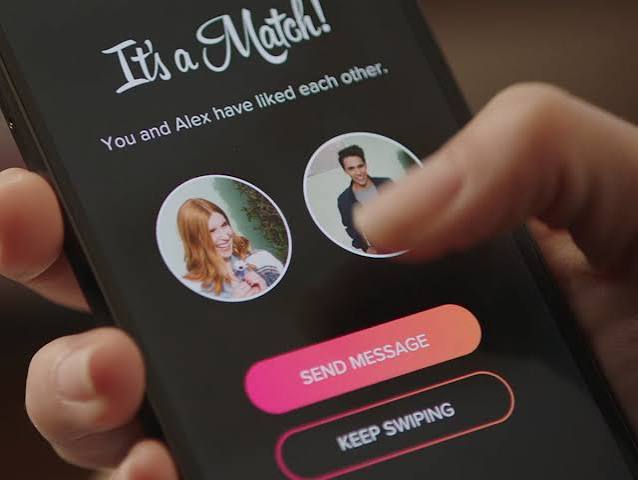
The reality, according to relationship analysts, has fallen short of that promise. The gamification of romance has turned dating into a chore, leading to a phenomenon known as “swipe fatigue.” Furthermore, platforms have increasingly locked core features behind expensive monthly subscriptions, making genuine connection feel monetization-driven rather than human-centered.
This dissatisfaction has pushed singles to seek alternative routes. Instead of looking for love in virtual meat markets, they are finding it naturally on platforms like Instagram, Facebook, and X. Here, connections are forged through shared passions, community discussions, and daily life interactions.
Shifting from Visual Catalogs to Living Communities
The primary advantage of social media over traditional dating apps is context. On a dating profile, a person presents a heavily manicured version of themselves explicitly designed to attract a mate. Social media, conversely, offers a broader look at an individual’s lifestyle, intellect, and values over time.

“On an app, you see a face. On social media, you see a life,” says Dr. Robert Hull, a sociologist specializing in digital relationships. “You see a life being lived including opinions, tastes, political persuasions. This offers a sense of familiarity and insight dating apps cannot compete with.”
This organic discovery happens across several distinct digital arenas:
Facebook Groups: Hyper-local interest groups, such as neighborhood running clubs, board game associations, or community volunteer networks, are serving as modern-day town squares where singles cross paths naturally.
Instagram Subcultures: Instagram operates as a living portfolio. By following specific localized hashtags—like #AtlantaBookClubs or #PacificNorthwestHiking—users are stumbling upon like-minded individuals within their geographic areas.
X (formerly Twitter) Communities: For those who value wit and intellectual alignment, the text-based nature of X allows users to engage in real-time banter and shared commentary on pop culture, politics, or industry trends.
Facebook Friends & Instagram Followers: Once someone has taken the time to follow or like your page, they have likely caught a glimpse of aspects of you and a snapshot of the life you are embarking on. This offers an entryway for organic, first-step communication.
The New Etiquette of the “Slide”
Navigating romance on non-dating platforms requires a complete overhaul of traditional approach strategies. On a dating app, intent is explicitly stated; on social media, assuming immediate romantic interest can feel invasive or inappropriate. The “cold direct message (DM)”—once a staple of online flirting—is now largely viewed as bad etiquette.
Instead, digital daters are employing a method known as “the slow burn.”
The process typically begins with public interaction. A user might like a few posts or leave a thoughtful, non-physical comment on a shared topic of interest. The breakthrough moment almost always occurs via temporary features, such as Instagram or Facebook Stories. Because Stories disappear after 24 hours and often show casual, real-time moments, replying to one offers a low-pressure, natural gateway into a private inbox. A message about a mutual favorite band or a local restaurant recommendation feels less like a pickup line and more like a genuine conversation starter.
Digital Freedom vs. Digital Safety
Despite its advantages, finding love on social media introduces unique challenges, particularly regarding safety. Dedicated dating apps possess built-in verification badges, reporting mechanisms, and background check integrations. Social media enjoys none of these guardrails, placing the burden of vetting entirely on the individual.
Safety advocates urge singles transitioning to social media dating to remain highly vigilant. Red flags include profiles with minimal photos, an absence of tagged friends, or accounts that were created very recently.
Experts Recommend a Strict Protocol Before Moving a Relationship Offline:
Check for Mutual Connections: Look for shared friends or followers who can verify the person’s identity in the real world.
The Video Verification: Always conduct a brief FaceTime or video call before agreeing to a date to ensure the person matches their profile photos.
The High-Traffic Rule: First dates should strictly take place in public, well-lit spaces. Daters should always arrange their own transportation and inform a trusted friend of their exact location.
Moving Beyond the Screen
The ultimate goal of social media networking is to transition from the digital world to the real one. Because social media platforms allow for continuous, low-stakes communication, users run the risk of falling into the “pen-pal trap”—developing an intense, false sense of intimacy over months of texting without ever meeting in person.
Relationship experts emphasize that while a screen can spark initial chemistry, true compatibility requires physical presence. Body language, tone of voice, and real-world interactions cannot be simulated by text messages and emojis. The most successful digital romances are those that use social media as an introduction tool, but quickly move the conversation to a local coffee shop or restaurant.
As dating app subscriptions decline and user frustration grows, the Internet is coming full circle. Social media is no longer just a place to broadcast your life to people you already know; it has become the internet’s most effective tool for discovering the people you want to meet.
Check This Out...
-
Up To 55% Of Americans Turn To YouTube For Do-It-Yourself Home Repair Tips: Research
-
The Comforting History of Georgia’s Southern Fried Peach Pie: Not Talked About As Much Anymore, But Still A Treat + Recipe
-
Fall Is 3 Just Weeks Away: Tips To Get Your Home Ready For The Coming Season
-
Are Home Warranty Plans Worth The Cost?
-
Cleaning Out The Basement Could Fetch You Dollars: Forgotten Household Items That Could Be Worth Serious Money