
Almost 6 months into the war, hopes for a swift resolution to the ongoing energy crisis dimmed on Monday after Tehran laid out an uncompromising list of conditions to reopen the strategically vital Strait of Hormuz. The diplomatic stalemate ensures that global energy markets will remain highly volatile, leaving American consumers to face high fuel costs at the pump for the foreseeable future.
The Iranian government’s newly released framework demands a total cessation of U.S. and Israeli military actions against Iran and its regional allies. Additionally, Tehran is insisting on the immediate removal of the U.S. naval blockade targeting its domestic ports, alongside a broader pullback of American air and naval forces from the region. The exhaustive list of demands also includes permanent U.S. sanctions relief, the unfreezing of seized financial assets, and full financial reparations for recent war damages.
Energy markets reacted swiftly to the development, with global crude benchmarks rising by roughly 1% following Iran’s explicit denial of an imminent transit deal. Brent crude crept closer to $84 a barrel, while West Texas Intermediate (WTI) hovered near $79 a barrel. The market response reflects deep-seated anxieties over prolonged disruptions within a shipping corridor that historically facilitated 20% of the world’s petroleum transit.
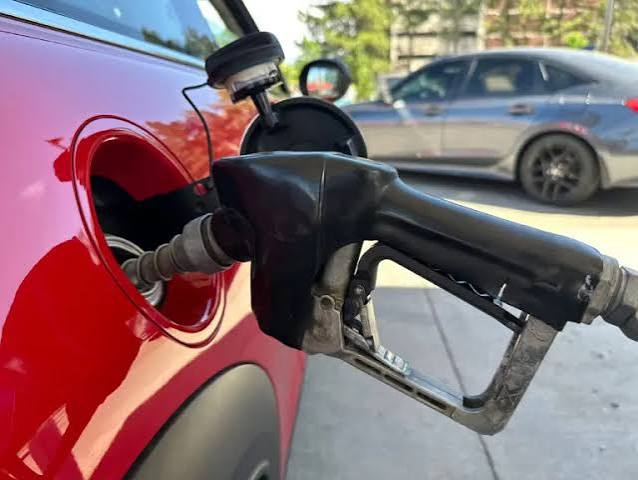
For American drivers, the geopolitical deadlock translates directly to persistent pain at the pump. The national average for regular gasoline remains stalled at $4.01 per gallon. Industry analysts warn that even if a diplomatic breakthrough occurs, damaged regional infrastructure and tight global refining capacity mean retail fuel prices will be painfully slow to recede.
Looking ahead, a prolonged war of attrition appears likely. The Trump administration has signaled it will maintain its strategy of severe economic pressure and diplomatic ultimatums rather than cave to Tehran’s terms. In response, Iran is attempting to weaponize its geographic control over the strait. Tehran is already engaged in discussions with neighboring Oman to rewrite maritime rules, floating the idea of independent transit frameworks or imposing steep sovereign tolls on foreign oil tankers trying to bypass U.S.-led restrictions.
With both sides deeply entrenched, market experts anticipate continued price volatility, warning that American consumers should expect gas prices to hover near current highs well into the autumn months.
Check This Out...
-
Plan To Rename Nashville Airport After Late Country Superstar Dolly Parton: Petition To Support Name Change Draws Hundreds Of Thousands Of Signatures
-
Meta Agrees To Settle For $17.1 Billion: But What Does The Settlement Mean, What It Changes–And Who Gets The Money?
-
Power Restored To Nearly All Residents Of Gary, Indiana Weeks After Outage–But How Did The Power Go Out, And Why For So Long?
-
A Woman With A Big Voice And An Even Bigger Heart Is Gone: Beloved Country Music Legend Dolly Parton Dies At 80: Singer Donated Millions To Multiple Causes
-
Georgia Department Of Corrections Announces Job Openings As Agency Looks To Fill Crucial Personnel Vacancies