
From plantation survival to the culinary mainstream, this is how Collard Greens and Macaroni and Cheese and Cornbread became the bedrock of Southern cuisine.
In kitchens across the American South, few sights are as definitive of community, celebration, and culinary mastery as a side-by-side helping of slow-simmered collard greens, baked macaroni and cheese, and of course cornbread. Long considered the co-anchors of Sunday dinners, holiday spreads, and family reunions, the historical trajectories of these two iconic side dishes reveal a complex narrative of transatlantic migration, elite privilege, and the ingenious resilience of enslaved Black cooks.
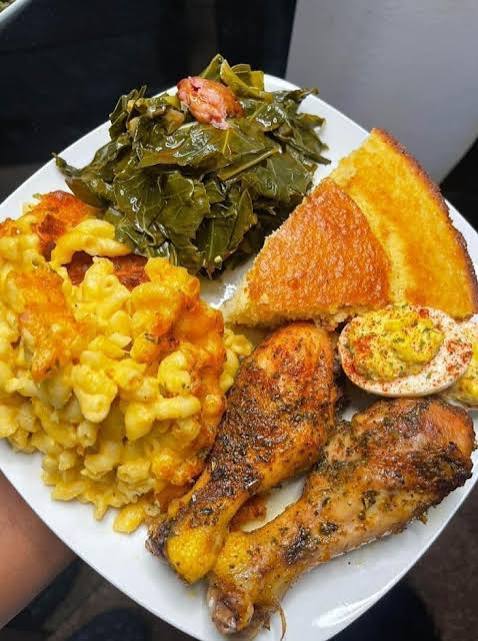
While modern food culture often treats them as natural companions, food historians emphasize that greens and “macaroni pie” traveled wildly different paths before uniting to form the bedrock of what is globally celebrated today as American Soul Food.
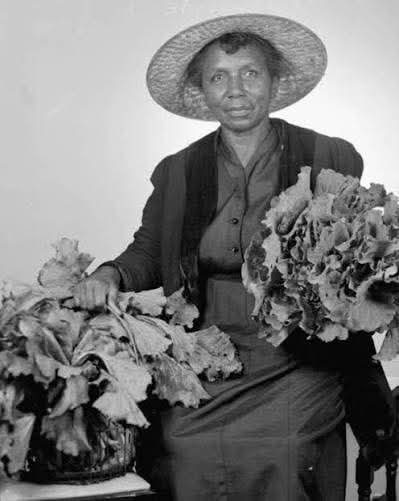
The Leafy Green That Defied Starvation
Long before it became an American staple, the collard green (Brassica oleracea) was consumed by ancient Greeks and Romans in the Mediterranean. Brought to the Americas by European colonists in the 17th century, the tough, bitter vegetable found its true architects on Southern plantations.
Enslaved Africans, recognizing the plant as a durable substitute for the native wild greens of West Africa, applied indigenous cooking techniques to the crop. Given only the unwanted, tough scraps of meat from the plantation master’s kitchen—such as smoked ham hocks, hog jowls, and pig’s feet—they simmered the greens for hours to break down the fibrous leaves.
This slow-boiling method yielded a nutrient-dense, smoky broth known affectionately as “pot likker.” Paired with cornbread, this broth became a vital lifeline that prevented starvation. Over the centuries, the resilience of the frost-resistant collard green cemented its place in Black culture, transitioning from a survival food into a symbol of economic prosperity and good fortune.
Cornbread: The Indigenous and African Fusion
While collards and macaroni have roots across the Atlantic, cornbread is a distinct product of early American cultural fusion. Long before European colonization, Native American tribes—including the Cherokee, Creek, and Choctaw—had domesticated maize (corn) and perfected the art of grinding it into meal to make flatbreads like ash cakes and pone.
When enslaved Africans were rationed meager portions of cornmeal by plantation owners, they utilized their own ancestral West African bread-making traditions—such as frying fufu or baking millet cakes—and applied them to the local corn. Because wheat flour was an expensive luxury reserved for the plantation house, cornmeal became the primary starch for the enslaved population.
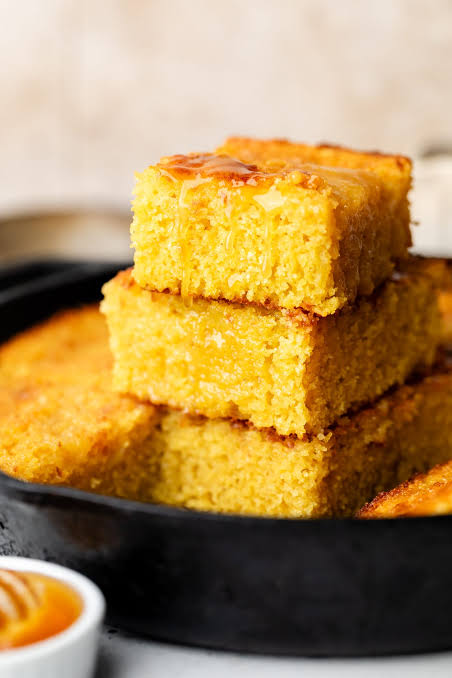
Cooks combined cornmeal, water, salt, and lard, baking the batter in heavy cast-iron skillets directly over open fires. The result was a savory, crisp-edged cornbread. Far from the sweet, cake-like varieties often found in modern grocery stores, traditional Southern cornbread was intensely savory, explicitly designed to be crumbled directly into bowls of collard greens to soak up every vitamin-rich drop of pot likker.
From the White House to the Sunday Plate
If collard greens represent a history of bottom-up survival, macaroni and cheese follows a path of top-down democratization, heavily shaped by early American history.
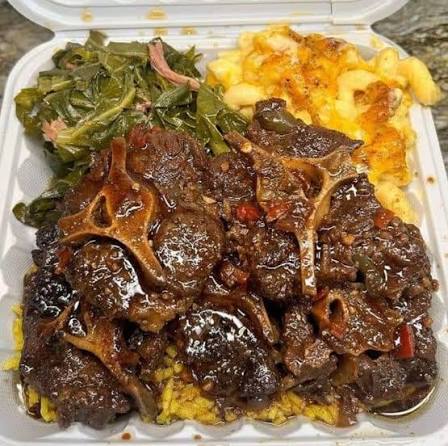
Originally an expensive luxury dish enjoyed by the European aristocracy, the American lineage of macaroni and cheese was forever changed by James Hemings. An enslaved chef of extraordinary skill, Hemings accompanied Thomas Jefferson to Paris, where he mastered classical French culinary arts. Hemings adapted a European “macaroni pie” recipe for the American palate, which was subsequently served at a high-profile White House dinner hosted by Jefferson in 1802.
For decades, the dish remained a symbol of wealth due to the high cost of white flour and processed cheese. However, as industrialization made these ingredients accessible to the working class in the late 19th century, Black home cooks adopted the recipe. They fundamentally transformed the European béchamel-based pasta into a rich, baked custard masterpiece by incorporating eggs, heavy cream, sharp cheeses, and distinct seasonings.
A Masterclass in Culinary Balance
The pairing of these two dishes along with their sidekick, cornbread, is more than cultural—it is an exercise in perfect culinary harmony.
Food scientists and chefs note that the sharp, smoky, and slightly acidic profile of slow-cooked collards acts as a necessary palate cleanser against the dense, fatty, and creamy richness of a baked macaroni. Together, they create a balanced sensory experience that has secured their permanent placement on contemporary menus worldwide.
Once confined to the margins of American history, the legacy of James Hemings and the anonymous enslaved cooks who perfected the pot likker are now recognized as foundational pillars of the nation’s gastronomic identity.
A Timeless Classic That Endured Through Survival
Today, you won’t find a Soul Food restaurant that doesn’t offer these dishes. But even more maintream eateries offer the three, including upscale restaurants in big cities across the country.
But no matter where the dish is served, this is a meal that not only nourishes but survives as a testament to the hardcore determination by enslaved African-Americans to not only survive the harsh reality of forced racial subjugation, but find a way to turn what was intended to be thrown away food into culture-defining delicacies.
Check This Out...
-
Around 10,000 Children Are In Need Of A Loving, Safe Home In Georgia: Here’s How You Can Become A Foster Parent Or Adopt A Child
-
Happening Today: Hip Hop Icons And East Point Legends Outkast Launch Merch With Waffle House, Host Collab Drop At Centennial Olympic Park Restaurant At 11 A.M.
-
PINK RIBBONS AND PERSONAL JOURNEYS: OCTOBER MARKS GLOBAL BREAST CANCER AWARENESS MONTH
-
The Taste Of Survival: Chitterlings Came Out Of Necessity But Managed To Become A Soul Food Delicacy: The Story Of The “Chitlin” Plate–And Who Still Eats Them Today
-
Hispanic Heritage Months Begins This Week: Events And Celebrations Run From September 15 To October 15: South Fulton Features “México en el Corazón” Tour At Wolf Creek Sunday + More