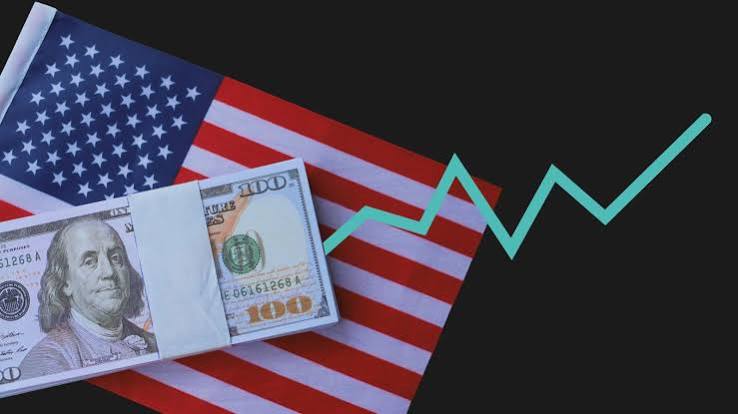
The U.S. economy slowed sharply in the second quarter of 2026, advancing at a sluggish 1.5% annualized rate as escalating global conflicts and aggressive new trade tariffs weighed heavily on growth.
The gross domestic product (GDP) report released Thursday by the U.S. Commerce Department fell short of Wall Street forecasts, signaling a significant deceleration from the 2.1% growth rate recorded in the first quarter of the year.
Energy Shocks and Tariffs Drag Growth
A primary culprit behind the economic cooling is a spike in global energy prices driven by an ongoing conflict with Iran. Bottlenecks in the Strait of Hormuz pushed national average gas prices up to $4.56 a gallon earlier this summer, squeezing household budgets and raising shipping costs across the country.
Simultaneously, the Trump administration’s sweeping trade policies—including 10% to 12% tariffs on imports from more than 80 countries—have acted as a heavy drag on the economic expansion [click here to view source]. Analysts estimate these duties are currently costing the average American household roughly $1,100 annually, while significantly widening the nation’s trade deficit.
AI Boom and Resilient Consumers Provide Cushion
Despite these mounting headwinds, the economy avoided a total standstill thanks to robust tech investments and steady household consumption.
- The AI Infrastructure Surge: Corporate investment grew at an 8.4% pace, fueled almost entirely by massive spending on artificial intelligence data centers and advanced microchips.
- Resilient Consumer Spending: Household consumption remained surprisingly durable, growing at a 3.2% annual clip as consumers continued to spend on services and essential goods.
Stagflation Worries Return
The combination of slowing growth and stubborn price pressures has revived fears of stagflation in Washington. The annual inflation rate recently climbed to 3.5%, remaining well above the Federal Reserve’s 2% target.
The cooling trend is also hitting the labor market. Employers added a meager 57,000 jobs in June, marking one of the weakest hiring months in years [click here to view source]. With a tighter job market and elevated costs for groceries and fuel, recent polling indicates that nearly half of all Americans are currently struggling to afford daily essentials.
Fed Faces Tough Choice
The data presents a major dilemma for the Federal Reserve under the leadership of Chair Kevin Warsh. The central bank’s benchmark interest rate currently sits between 3.5% and 3.75%.
While a weakening economy typically triggers interest rate cuts to stimulate borrowing, persistent 3.5% inflation means the Fed may be forced to keep rates higher for longer—or even raise them later this year—to permanently cool consumer prices.
Check This Out...
-
Wholesale Inflation Prices Shot Up In September: Soaring Gas Prices Lead Business Costs
-
Inflation Rate Accelerates to 3.7%: Energy Prices Lead Jump; Consumers Feel Price Surge With Midterm Election Days Away
-
Not All Vehicle Repossessions Are Legal: What Constitutes An Unlawful Repossession, And What To Do If You Believe It Has Happened To You
-
Automobile Repossessions Remain A Constant As Georgians Endure Mounting Economic Challenges: What You Need To Know As A Consumer: Loan Deferment, Breach Of Peace Explained
-
Labor Market Stalls As U.S. Economy Adds Just 29,000 Jobs in September–Much Lower Than Projected; Unemployment Rises to 4.2%: Voters Head To Polls In Days