
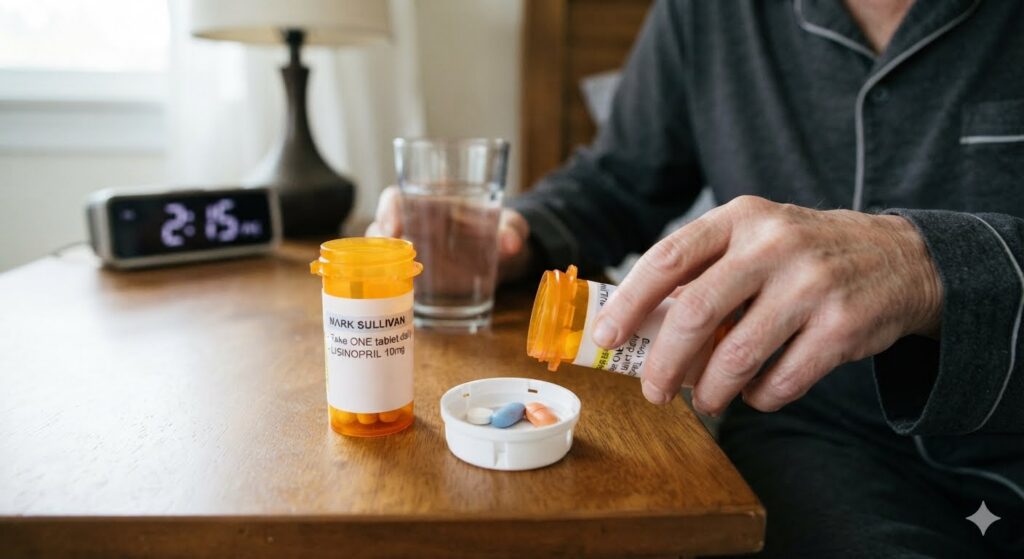
Prescribed medication mix-ups are an unfortunately common occurrence that can lead to severe health complications or even death for the person who receives the wrong medication and consumes it. Recently, 78-year-old Betty Thomas of Decatur told 11 Alive News that she used a fetanyl patch for nearly three weeks before discovering that she had allegedly been issued the wrong medication at an area Publix.
“I’m throwing up, I’m nauseous, I’m dizzy, I can’t go to the bathroom, I’m sick,” Thomas said to the news station.
Thomas says her son eventually came to take her to the hospital. That’s when he realized she had been given a prescription for fentanyl patches intended for Betty Davis instead of her own medication.
“My children just lost their father and then to turn around and have to go through losing their mom,” Thomas said.
Thankfully, Betty Thomas survived her ordeal. Many do not.
A Dangerous Mistake That Happens More Often Than You Might Think
In the United States, between 1.3 million and 1.5 million people are injured or harmed by medication errors every year. When factoring in all errors—including those where the patient is given the wrong prescription but luckily suffers no physical harm—the total impact rises dramatically to over 7 million patients affected annually.
The Scale of Medication Errors
According to healthcare statistics compiled by organizations like the U.S. Food and Drug Administration (FDA), the World Health Organization (WHO), and the Centers for Disease Control and Prevention (CDC):
Dispensing Mistakes: Pharmacies across the country commit an estimated 2.2 million to 2.3 million prescription dispensing errors each year.
Official Reports: The FDA’s MedWatch program receives over 100,000 voluntary reports specifically concerning medication mix-ups and errors annually.
Emergency Care: Medication errors drive more than 1.5 million people to emergency departments every year, with nearly 500,000 requiring full hospitalization.
Fatalities: Tragically, medication mistakes result in 7,000 to 9,000 American deaths each year.
Where the Breakdown Happens
A “wrong medication” incident can occur at multiple stages of care:
- Prescribing (39%): A doctor writes down the wrong drug name or an incorrect dosage.
- Administration (38%): A nurse or caregiver physically gives the wrong pill, or gives it to the wrong patient.
- Verification (12%): Hospital or clinic systems fail to flag a mismatched drug order.
- Dispensing (11%): A pharmacist physically places the incorrect medication or wrong strength into a bottle. This is frequently driven by look-alike packaging or similar-sounding drug names
What pharmacies can Do To Prevent Mix-Ups
Barcode Scanning: Using barcode technology during the fulfillment and checkout processes to instantly verify the drug matches the patient’s profile.
Double-Check Systems: Requiring a second pharmacist or pharmacy technician to independently verify the drug, dosage, and patient information before dispensing.
Separating Sound/Look-Alikes: Storing medications with similar names or packaging in distinctly different locations within the pharmacy to prevent grabbing the wrong bottle.
Active Patient Counseling: Having the pharmacist verbally confirm the patient’s name, date of birth, and the medication’s intended purpose at the register.
Workflow Organization: Maintaining a clean, well-lit environment and processing one prescription at a time to reduce human error and distractions.
Protecting Yourself
Patient safety experts suggest a few immediate steps to minimize your risk at the pharmacy counter:
Open the bag and check your prescription before leaving the pharmacy window.
Confirm the drug name and purpose with your pharmacist to make sure it matches what your doctor told you.
Consistently use the same pharmacy so their computer database can automatically scan for dangerous drug interactions across all your active prescriptions.
If you believe you or someone else consumed the wrong medication, the time to act is on the spot. Call 911 immediately if the person is unconscious, having seizures, or struggling to breathe. Otherwise, call the national Poison Control Center at 1-800-222-1222 or use the POISONCONTROL online tool. Both resources are free, confidential, and available 24/7.
Check This Out...
-
Flyer Circulates Around The City Questioning Ward B Councilmember Shean Atkins’ City-Issued Credit Card Spending, Atkins Denies Wrongdoing: But A Review Of Open Records Raises Questions
-
The City Of East Point Announces Opening Of Pocket Park On Ben Hill Road On Friday, November 6
-
2 Weeks Until Election Day: Georgia Voters Have Turned In More Than One Million Ballots So Far
-
Happening Tonight: East Point City Council Meeting
-
City Of East Point To Host Dog Party Sunday, October 25: City Themes Event As “Howl-O-Ween Pawty”