
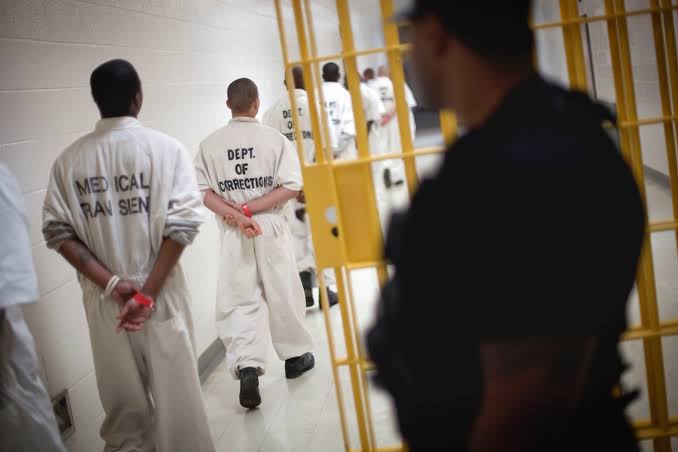
The Georgia Legislature earlier this year adopted Senate Bill 207, officially known as the Occupational Licensing Fairness Act, which modernizes the state’s professional licensing system to remove career barriers for individuals with past criminal convictions, making it easier for individuals with past prior convictions to obtain certain State-issued licenses that require background checks.
And while justice system advocates say the bill accomplishes a lot, its only a step in getting the hundreds of thousands of Georgians who have criminal histories fully integrated back into the state’s economy. There are still many other barriers individuals with prior criminal records face however including certain restrictions on voting even as studies show a correlation between voting rights, earnings potential, and recidivism.

But for many who understand that reintegrating persons with criminal records back into the community is a win for everyone impacted, any step that keeps people employed and out of the justice system is a win.
The new law goes into effect after years of advocacy by many individuals and justice reform organizations and was sponsored by Republican Senator Brian Strickland, now the Republican nominee for Georgia Attorney General, and signed into law by Governor Brian Kemp on May 12, 2026. It went into effect on July 1, 2026.
Here’s What It Does:
SB 207 overhauls how Georgia’s 40+ professional licensing boards—which oversee everything from cosmetology and contracting to healthcare and insurance—evaluate applicants with a criminal background.
Previously, state boards could reject applicants using vague, subjective standards like a lack of “good moral character” or a history of “moral turpitude”. Under SB 207, a board cannot deny a professional license based on a past conviction unless they prove a direct relationship between the offense and the specific responsibilities of the licensed profession.
Mandatory Preclearance System
To prevent applicants from investing thousands of dollars and months of effort into specialized schooling only to be denied a license later, SB 207 establishes a predetermined preclearance process.
Individuals can formally petition a licensing board before starting their education.
The board must issue a binding determination on whether the applicant’s record would disqualify them.
If the board clears the applicant, that decision remains binding as long as the applicant’s criminal history does not change before graduation.
Transparent Case-by-Case Reviews
The law establishes explicit due process protections for applicants. Licensing authorities must conduct individualized, evidence-based reviews that consider:
The age of the individual at the time the crime was committed.
The amount of time elapsed since the conviction.
Documented evidence of rehabilitation, such as certificates from the Georgia Board of Corrections or successful sentence completion.
Pre-Release Career Pathways
Eligible individuals are now permitted to begin the professional licensing application process while still incarcerated or immediately following release. This ensures that vocational skills earned during incarceration seamlessly transition into immediate, legal employment.
Why Georgia Enacted SB 207
The passage of SB 207 was propelled by a coalition of workforce advocates, criminal justice reform groups like the Georgia Justice Project (GJP), and conservative organizations like Right On Crime. The push for reform stemmed from two primary challenges: [1, 2]
┌────────────────────────────────────────────────────────┐
│             GEORGIA WORKFORCE CHALLENGES               │
├───────────────────────────┬────────────────────────────┤
│   Labor Market Strain     │    Mass Barriers to Work   │
│ • 1 in 5 jobs require     │ • 4.5+ Million Georgians   │
│   a state license.        │   have a criminal record.  │
│ • 65,000 vacant slots in  │ • Old/expunged records     │
│   high-demand sectors.    │   still triggered denials. │
└───────────────────────────┴────────────────────────────┘
By connecting these two demographics, lawmakers designed SB 207 to satisfy statewide labor demands while lowering recidivism. Data cited during legislative sessions proved that returning citizens who maintain stable employment for at least six months face a drastically reduced risk of re-offending.

Impacted Industries
The bill amends multiple titles of the Official Code of Georgia Annotated (O.C.G.A.), specifically targeting sectors facing severe labor shortages:
Trade Occupations:
Electricians, plumbers, HVAC technicians, and general commercial contractors.
Personal Care:
Cosmetologists, barbers, estheticians, and massage therapists.
Healthcare Support:
Dental hygienists, medical assistants, and nursing aides.
Real Estate & Insurance:
Local insurance agents, adjusters, and real estate brokers.
Enforcement and Next Steps
The law requires licensing authorities to maintain strict evidentiary standards during adverse hearings, making boards legally accountable if they deny a license without proper justification.
For prospective applicants with an arrest or conviction record, the Georgia Justice Project will be rolling out detailed, board-specific instruction packets throughout late 2026 to help individuals leverage the new preclearance system and submit robust evidence of rehabilitation.
Check This Out...
-
Former Ward D Councilmember Stephanie Gordon Sponsors Tribute To Former Councilmember, State Representative Joe Heckstall: Bridge Dedicated To The Legacy Of East Point’s First Black Councilmember
-
Ugly Loss: Georgia Bulldogs Players Told To Put Helmets On As They Exited The Field Due To Alabama Fans Throwing Water Bottles, Cans At Team: Fan Appears To Shove Bulldogs Player’s Head: Georgia Fans React On Social Media As SEC Expected To Weigh In
-
Georgia Bulldogs Win In Regular Season At Alabama For First Time Since 2007, Now 6-0: Late Game No-Call On Assumed Penalty Stirs Controversy: Bulldogs Poised For #1 Ranking With Texas Loss
-
Minutes Away From Kickoff At 7:30 P.M.: The #2 Ranked Georgia Bulldogs Travel To Alabama To Face The 6th Ranked Crimson Tide: Both Teams Enter The Celebrated Matchup Undefeated
-
Hurricane Isaias Is Now A Category 3 Hurricane: East Point And Metro Atlanta Impact To Be Felt Later Today, Tomorrow: Flood Watch In Effect, Governor Declares Statewide State Of Emergency: How To Prepare