
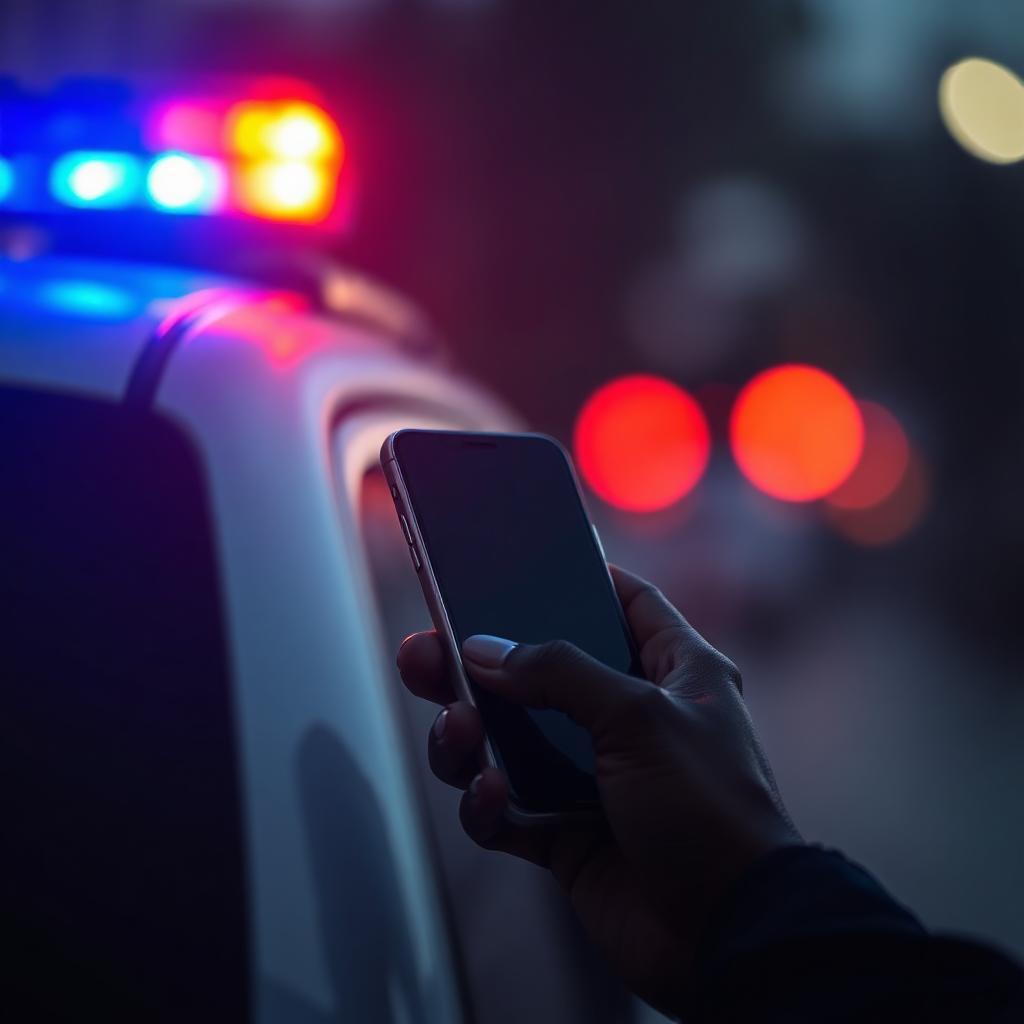
The widespread adoption of cell phone cameras over the past two decades has fundamentally changed how police interactions are recorded, reported, and adjudicated. Portable, ubiquitous, and easy to share, smartphones shifted oversight from institutional gatekeepers to the public, creating new evidentiary norms, altering prosecutorial and disciplinary responses, and reshaping public trust in law enforcement.
Before smartphones, documentation of police misconduct was limited to official reports, dash- and body-cams (which departments controlled), occasional dedicated journalists, or rare civilian camcorders. Cell phone cameras put high-quality video and audio recording into the hands of everyday people, enabling real-time capture of incidents that previously went undocumented. Iconic cases—such as the videotaped deaths of Trayvon Martin (by a witness with a phone), Michael Brown, Eric Garner, George Floyd, and many others—galvanized national attention precisely because of cellphone footage that contradicted official accounts or revealed otherwise unseen force.
The 1991 videotaped beating of Los Angeles motorist Rodney King predated the modern cellphone but the captured video, which showed King being beaten on the side of a busy roadway by multiple L.A. policemen, shocked a nation that had not witnessed such a spectacle on a widespread level since the 1960s civil rights struggles and subsequent riots. But the police officers involved in that grotesque video were able to evade prison sentences, which showed the limitations of a technology when a jury is determined to set an accused police officer free.
But having the technology available has proven to be a game changer in cases where an incident between a citizen and an officer are in dispute.
Here’s how cell phones have become useful in cases involving alleged police abuse and or misconduct:
Evidence and Accountability
- Probative evidence: Phone videos provide compelling, contemporaneous evidence of what occurred—angles, timing, and audio that can corroborate or refute officer statements. They have become central in criminal prosecutions, civil suits, and internal investigations.
- Catalyst for charges and investigations: In numerous cases, publicized cellphone footage prompted criminal investigations, indictments, or federal probes that might not have occurred absent visual evidence.
- Policy and training changes: Documented incidents have pressured departments and lawmakers to reform use-of-force policies, improve de-escalation training, and expand transparency measures.
- Civil remedies: Video evidence often strengthens civil-rights lawsuits and settlement claims, leading to policy changes and monetary accountability.
Shaping Public Perception and Social Movements:
Cellphone footage has amplified citizen journalism and enabled rapid dissemination across social media. Visual evidence can mobilize activism, influence news cycles, and frame narratives about police conduct. It has played a central role in movements such as Black Lives Matter, bringing local incidents to national and international attention and sustaining public pressure for reform.
Limits and Challenges of Phone Evidence
- Incomplete context: A single clip may capture only a slice of an event, omitting prior provocations, threats, or officer perspectives that matter legally. Short, edited, or low-quality clips can mislead.
- Chain-of-custody and authenticity: Defense and prosecutors may dispute metadata, editing, or manipulation. Courts increasingly consider forensic authentication.
- Bias and selective recording: What gets recorded and shared is subject to selection bias; dramatic events are more likely to circulate than routine interactions.
- Safety and interference: Recording can escalate situations or place bystanders at risk. In some cases, officers have unlawfully confiscated or deleted footage.
- Surveillance tradeoffs: While empowering accountability, ubiquitous recording raises privacy and surveillance concerns—especially when combined with facial recognition or geolocation metadata.
Legal and Institutional Responses
- Bystander recording protections: Courts and legislatures have generally protected the right to record police in public, recognizing First Amendment and common-law rights, though some jurisdictions still apply limits (e.g., interfering with police duties).
- Evidence rules and standards: Legal systems have adapted evidentiary frameworks to authenticate digital recordings and admit social-media-sourced video.
- Policy shifts: Many departments expanded body-camera programs, revised use-of-force policies, and adopted stricter requirements for reporting and transparency after high-profile cellphone-documented incidents.
- Retaliation and obstruction enforcement: Departments and prosecutors have increasingly pursued charges or discipline when officers destroy or conceal evidence, including footage.
Technology, Media, and the Court of Public Opinion Cellphone videos operate within a media ecosystem where virality can create immediate public pressure before formal investigations conclude. That can be both corrective—prompting quick accountability—and problematic—fostering premature judgments or inflaming tensions when full context is absent. Responsible reporting, forensic verification, and clear official communication are essential to balance speed and accuracy.
Recommendations for Policy and Practice
- Protect recording rights explicitly in law and policy; train officers to tolerate and cooperate with lawful recording.
- Strengthen safeguards against deletion or tampering of footage, with clear consequences for obstruction.
- Invest in authentication tools and rapid forensic review to assess digital evidence reliably.
- Encourage transparency: timely release of footage (with appropriate privacy safeguards) and clear explanatory reporting can build trust.
- Support public education on responsible recording and sharing—emphasizing safety, context, and verification.
Conclusion Cell phone cameras have been a disruptive, largely democratizing force in documenting police conduct. They have exposed abuses, supported prosecutions and civil claims, catalyzed policy reforms, and empowered social movements. At the same time, they present evidentiary, legal, and ethical challenges that require careful policy responses, technological safeguards, and balanced public discourse to ensure that greater visibility yields fairer, more accountable policing.
Check This Out...
-
Up To 55% Of Americans Turn To YouTube For Do-It-Yourself Home Repair Tips: Research
-
The Comforting History of Georgia’s Southern Fried Peach Pie: Not Talked About As Much Anymore, But Still A Treat + Recipe
-
Fall Is 3 Just Weeks Away: Tips To Get Your Home Ready For The Coming Season
-
Finding Love—And Even Friends With Benefits–On Social Media Is Growing More Popular, Giving Dating Apps Competition
-
Are Home Warranty Plans Worth The Cost?