
Conservative filmmaker Dinesh D’Souza has reached an undisclosed settlement with a Georgia man who accused him of defamation in the 2022 documentary 2000 Mules, according to The Atlanta Journal-Constitution.
The agreement, struck just before a federal trial was set to begin in Atlanta, brings an end to a years-long legal battle over false claims of widespread voter fraud in the 2020 presidential election.
The Source of the Dispute
The lawsuit was filed in October 2022 by Mark Andrews, a voter from Lawrenceville, Georgia.
Andrews became a central figure in 2000 Mules, a film that claimed to expose a coordinated network of illegal “ballot mules” delivering fraudulent votes to drop boxes.
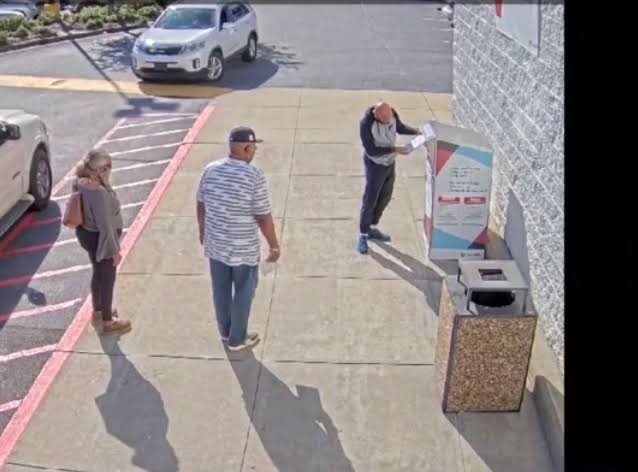
The documentary featured security camera footage of Andrews placing five ballots into a drop box. During the clip, D’Souza’s voiceover stated, “What you are seeing is a crime. These are fraudulent votes.”
However, a subsequent investigation by the Georgia Bureau of Investigation and the Secretary of State’s office found that Andrews was acting completely within the law. He was legally depositing ballots for himself, his wife, and their three adult children.
A Campaign of Intimidation
According to court filings, the film’s false portrayal led to severe consequences for Andrews and his family.
The lawsuit, which was backed by the nonpartisan legal group Protect Democracy, alleged defamation and voter intimidation under the Ku Klux Klan Act.
Andrews contended that the film turned his family’s life upside down. He reported receiving threats of violence, being followed by strangers, and living in constant fear for his family’s safety.
The Fallout and Apologies
The settlement with D’Souza represents the final chapter in the unraveling of the film’s distribution network.
- The Distributor: In May 2024, Salem Media Group—the executive producer and distributor of the film—pulled 2000 Mules from all platforms and halted printing of the accompanying book. The company issued a formal public apology to Andrews and paid a substantial, undisclosed financial sum.
- The Filmmaker: In December 2024, D’Souza issued his own public apology. He conceded that the cellphone tracking data touted in the film did not actually correspond to the individuals shown in the video footage.
With the final settlement, the federal trial has been canceled. Legal experts state the case serves as a major precedent regarding accountability for election misinformation targeting private citizens.
What Is The Ku Klux Klan Act–And How Did It Apply In This Case?
The Ku Klux Klan Act is a federal law passed in 1871 designed to protect citizens from political violence, intimidation, and conspiracies that deprive them of their civil rights.
Officially named the Civil Rights Act of 1871 (or the Third Enforcement Act), it was signed into law by President Ulysses S. Grant during the Reconstruction era. Its immediate purpose was to enforce the 14th Amendment and combat the campaign of domestic terrorism waged by the Ku Klux Klan against newly freed Black voters and local officials in the American South.
Core Legal Mechanics
The original legislation gave the federal government unprecedented powers to bypass inactive or complicit state authorities:
- Federal Offenses: It made it a federal crime for private individuals to conspire to deprive citizens of equal protection under the law, the right to vote, or the ability to hold public office.
- Presidential Intervention: It authorized the president to deploy the U.S. military and temporarily suspend the writ of habeas corpus to crush localized rebellions and vigilantism.
- Private Civil Lawsuits: Crucially, it gave everyday citizens the right to sue individuals or government officials in federal court for damages if their constitutional rights were violated.
Modern Application and Relevance
While parts of the law targeting military intervention are rarely used today, two remnants of the original act—codified in the United States Code—remain pillars of modern civil rights litigation:
- Section 1983 (Suing State Actors): This provision allows individuals to sue police officers, government officials, or local agencies when they violate federal constitutional rights under the color of law. It is the primary vehicle used today for police misconduct and civil rights cases.
- Section 1985 (Conspiracy and Intimidation): This section targets private conspiracies. Section 1985(3), in particular, outlaws conspiracies intended to deprive individuals of equal legal protections.
Why It Applies to Modern Election Cases
In recent years, voting rights organizations and legal groups like Protect Democracy have successfully revived the voter intimidation provisions of Section 1985.
Because the text explicitly prohibits using force, intimidation, or threats to prevent citizens from lawfully casting their ballots or participating in elections, it can be used against private citizens. In cases like Mark Andrews’ lawsuit against Dinesh D’Souza, plaintiffs rely on this 150-year-old framework to argue that spreading lies, exposing a voter’s identity, and falsely accusing them of crimes on a mass scale constitutes a coordinated campaign of modern-day voter intimidation.
Check This Out...
-
Six Charlotte Cops Face Termination Over Texts Allegedly Containing Text Message Thread Filled With Racial Slurs, Racial Profiling, And Police Brutality: Allegedly Competed To Pull Over The Most Black Drivers: Texts Came To Light Amid Flock Camera Misuse Investigation
-
Handcuffs With That Order? Popular San Diego Chef Allegedly Kidnapped And Shot Ex-Girlfriend In Iowa In 2014, Then Fled The State: Social Media Popularity Led U.S. Marshals To Him
-
Federal Judge Blocks Deportation Of 28 Year Old NYC Man Shot By ICE Agents Thursday: Who Is Oscar Belgal, And What Are The Circumstances Surrounding His Case?
-
Mike Ditka Dies At 86: Legendary Chicago Bears Player And Later Head Coach Led The ’85 “Bad News Bears” To Super Bowl Win
-
Colorado Parents Who Take Their Small Kids On Record-Breaking Mountain-Climbing Ventures Reported To Child Protective Services By Online Critics, Won’t Be Prosecuted