
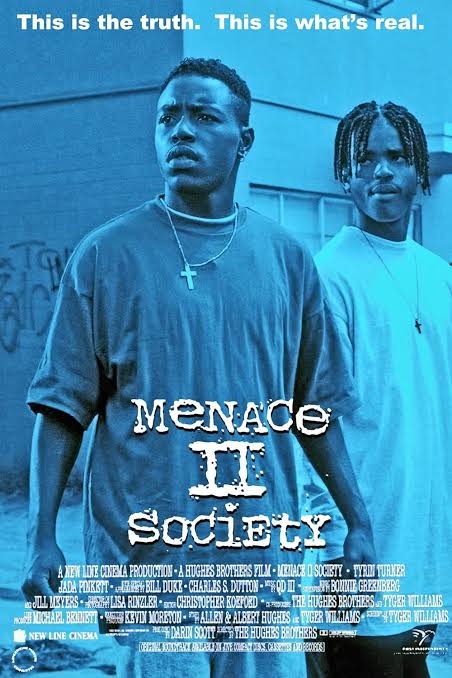
The 1990s was the Golden Era of gritty, life reflecting, urban-based films–also known as hood films–and the period produced a number of film classic such as Boyz N The Hood, Menace II Society, Juice, Dead Presidents, South Central, Set It Off and countless others.
But in 2026, major-budget, big-screen films that fit into the genre have largely disappeared from movie theaters as wide theatrical releases.
And though the number of movies that fall into the category are still being produced, their visibility and the way they are released has changed. Here’s why:
The Golden Era of the Silver Screen
In the late 1980s and 1990s, the hood film cycle took Hollywood by storm. Driven by the explosive rise of gangsta rap, films featuring hardcore street storylines became cultural events. And these movies helped expand the careers of iconic rapper-actors like Tupac Shakur and Ice Cube, who helped define urban cinema.
Even comedic and coming-of-age takes on the genre, like Friday (1995) and later Barbershop (2002), filled seats. The films were raw, culturally defining, and commercially successful.
Why They Disappeared from Theaters
Several industry shifts led to the decline of urban cinema at the box office:
The Fall of the Mid-Budget Model: Studios recalibrated their investments. Instead of financing mid-budget dramas, the industry pivoted entirely toward big-budget, special-effects blockbusters—mostly designed to appeal to massive international audiences.
The Death of Physical Media: The lower-budget hood film (sometimes referred to as the straight-to-video era) thrived because of VHS and DVD sales. When physical media collapsed, the primary revenue stream for independent, gritty urban films vanished with it.
Genre Saturation and Fatigue: By the late 2000s, audiences and critics felt fatigue due to a lack of diverse narratives within the sub-genre itself. The market became saturated with similar revenge and street life tropes, leading filmmakers to seek new avenues.
The Move to Prestige Television and Streaming
Though hood movies are no longer box-office centerpieces, the stories did not vanish—they migrated. In fact, the genre evolved. Today’s urban narratives are longer, richer, and more character-driven than their 90s counterparts. Creators have found a more accommodating home for these stories on cable networks and streaming platforms like Netflix, Prime Video, and You Tube.
Shows like Snowfall, Power, and The Chi have taken up the mantle of the hood film, while prestige series like Atlanta and Top Boy use the hood as a foundational backdrop. Meanwhile, films that do hit theaters—such as Moonlight or Straight Outta Compton—are more often marketed as “prestige” or historical dramas rather than the 90s-style street template.
The hood film since its inception marked an important pivot to exploring the true-to-life stories of the struggle that accompanies Black urban life in cities across the country. The advent of technology, including AI and easy to acquire film producing hardware, is allowing independent filmmakers the opportunity to create a visual story while using their own marketing skills to reach an audience.
And importantly, although these stories no longer get routine, broad theater release, the stories that powered the genre are still being told.
Check This Out...
-
90s-2000s R&B Fans Are In For A Treat: A New Verzuz Battle Featuring Carl Thomas Vs. Case: Thursday, October 22 At 9:00 P.M.
-
The East Point News Rewind: The Dynamic Superiors Made History And Dazzled Audiences In The 1970s With Hit Songs–And A Lead Singer Who Wore Make-Up And Occasionally Performed In Drag
-
The East Point News Offers A New Feature To Readers: The East Point News REWIND. It Offers A Look At Unique Music And Entertainment Figures Who Quietly Impacted Both Entertainment And Culture
-
Legendary R&B And Soul Singer Freddie Jackson Dies, Shocking Longtime Fans: Jackson Turned 70 Years Old This Past Friday, Performed In Atlanta Two Weeks Ago
-
Actor And Comedian Reggie McFadden Dies At 57: McFadden Worked On “In Living Color”, “Def Comedy Jam” And More