
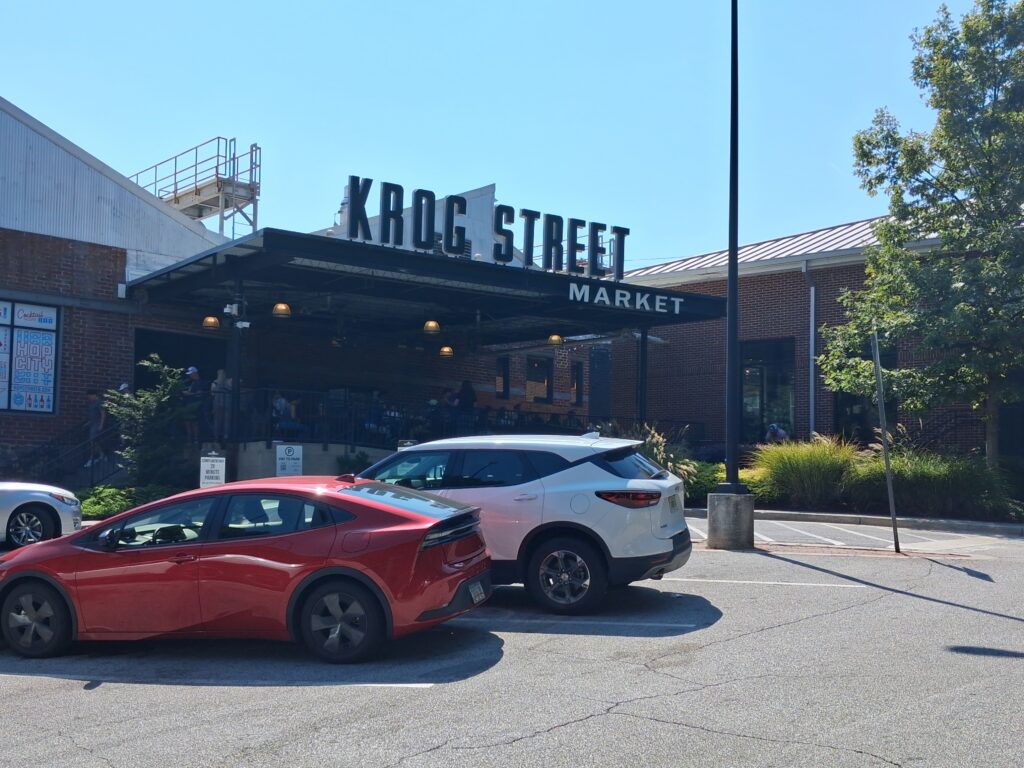
Nestled along the bustling asphalt of the Atlanta BeltLine Eastside Trail, The Krog District stands as a towering testament to the power of adaptive reuse. What once operated as a gritty, 1920s industrial warehouse complex has officially solidified its status as a premier 9-acre mixed-use development, drawing thousands of residents and tourists daily to its open-air corridors at 99 Krog Street NE.
The district, which bridges the historic Inman Park and Old Fourth Ward neighborhoods, has successfully engineered an 18-hour ecosystem where historic preservation meets modern consumerism.
Today its also a busy living, shopping, and work space where a melting pot of Atlantans spend much of their day as well as their night– a modern architectural accomplishment anchored to a uniquely Atlanta and Old South past.
How It Was: A Crossroads of Segregation
The stunning brick and mortar milestone one sees today was burnished as a result of years of planning–and debate. Directly to the west and north of the district lies the Old Fourth Ward. By the mid-20th century, this area had solidified into a bustling epicenter for Atlanta’s Black middle class, anchored by the nearby Sweet Auburn district and famed as the birthplace of Dr. Martin Luther King, Jr.
For decades, the Old Fourth Ward was a predominantly Black neighborhood, serving as a sanctuary of cultural and economic autonomy under the heavy hand of Jim Crow.
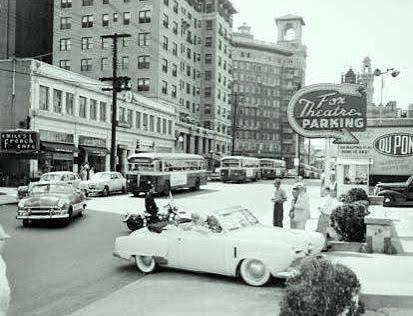
Conversely, directly to the east of Krog Street sits Inman Park. Developed in 1889 as Atlanta’s first planned suburb, it was built specifically as an elite enclave for wealthy White residents, including Coca-Cola founder Asa Candler. Krog Street, with its roaring factories, served as the industrial buffer keeping these two worlds apart.
South of the nearby Krog Street Tunnel, a similar racial mirror existed: the working-class White Appalachian mill community of Cabbagetown sat directly adjacent to Reynoldstown, one of Atlanta’s very first neighborhoods settled by formerly enslaved individuals after the Civil War.
The Industrial Melting Pot
At the center of this geographic crossroads was the Atlanta Stove Works—the 1889 cast-iron foundry whose bones form the development’s modern food hall today.
While the surrounding residential blocks were strictly segregated by race and income, the factory floor was a rare economic meeting ground. The foundry relied heavily on the labor of working-class men from both the Black neighborhoods of Reynoldstown and the Old Fourth Ward, and the White neighborhood of Cabbagetown. The historic 1913 Krog Street Tunnel functioned as the daily, subterranean conduit bringing these segregated communities together for work.
The Great Demographic Shift
Amid the rapid transformation of the area into a high-end commercial district, a conversation was ignited about displacement. In 2000, the Old Fourth Ward was overwhelmingly Black. By 2020, several years after the opening of the Krog Street Market in 2014 and the explosion of BeltLine development, the neighborhood’s demographics flipped to majority White.
Property values soared, pricing out legacy residents, and fundamentally altered the social fabric of the historic Black communities adjacent to the site.
Today, as The Krog District continues to expand with sleek corporate offices and luxury retail, local historians continue to emphasize the importance of recognizing the soil it stands on. It is an urban landscape built on a boundary—a place where Atlanta’s painful history of division ultimately forged the footprints of its modern growth.
In fact, when private developers first proposed Krog Street Market in 2012, and as the broader Krog District expanded alongside the Atlanta BeltLine over the next decade, responses from Black city leaders and political figures were deeply divided–and in many cases, have remained so.
Their reactions generally split into two main camps: pushing for economic growth versus sounding the alarm on hyper-gentrification and displacement.
In the end, at Krog Street, the quest for economic development won and in the process, one chapter closed in the city’s racially-impacted real estate history while a new chapter in Atlanta’s still-evolving tale of urban renewal opened.
From Cast Iron To Tyler Perry To Culinary Mecca
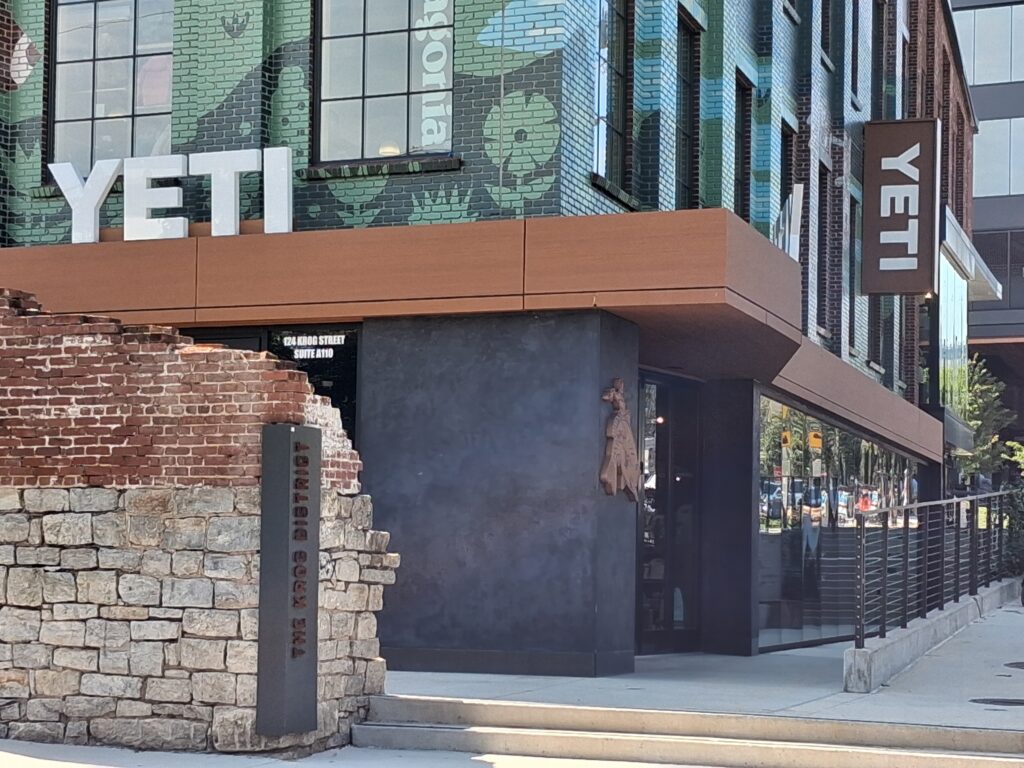
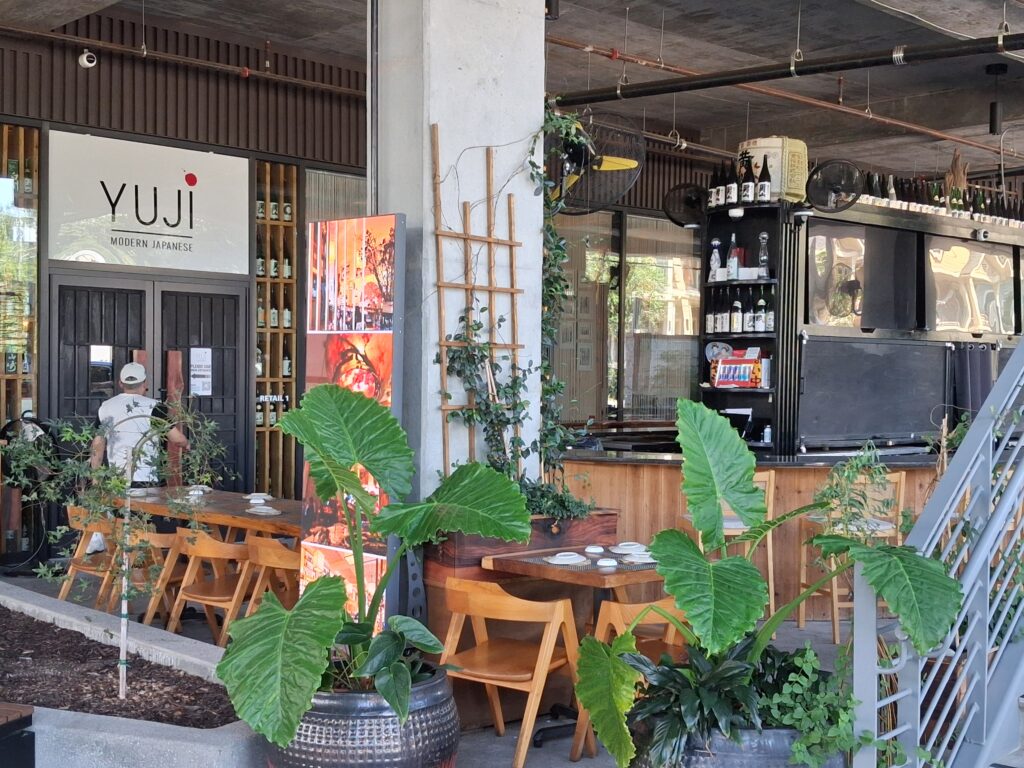
At the epicenter of the Krog Street urban transformation is the famed Krog Street Market. The 30,000-square-foot West Coast-style food hall occupies the former home of the Atlanta Stove Works and, later, Tyler Perry Studios. Today, the aroma of iron forging has been replaced by a culturally diverse tapestry of artisan vendor stalls and award-winning anchor restaurants, such as chef Ford Fry’s celebrated Tex-Mex staple, Superica.
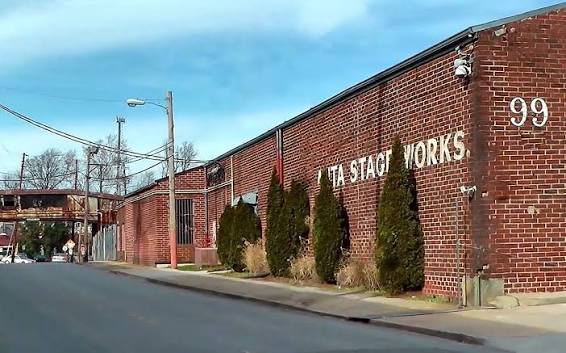
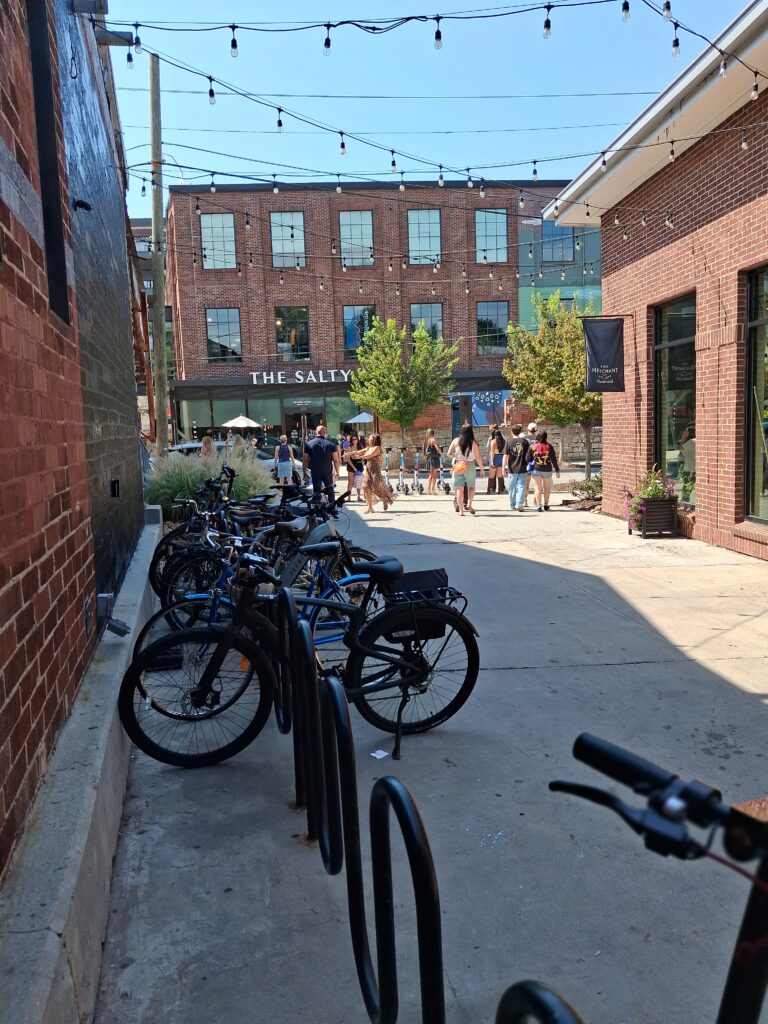
Directly across the street, the legacy continues at the original Atlanta Stove Works parcel and the adjacent SPX Alley, both of which have successfully inflected the neighborhood with a curated mix of boutique retail, wellness spaces, and local watering holes.
The Modern Expansion
The district’s evolution shows no signs of slowing down. The addition of Junction Krog District has added a sleek, modern architectural layer to the neighborhood. Featuring expansive outdoor balconies that overlook the pedestrian traffic of the BeltLine, the building has become a magnet for creative offices and corporate regional hubs, proving that commerce thrives where community gathers.
“It’s the pedestrian-first design that makes it work,” says local real estate professional and urban planner Eric Robinson, who has studied the area’s foot traffic. “Connecting a commercial hub directly to the Krog Street Tunnel—with its living canvas of community graffiti—anchors the development in unique Atlanta culture.”
A Connected Community Hub
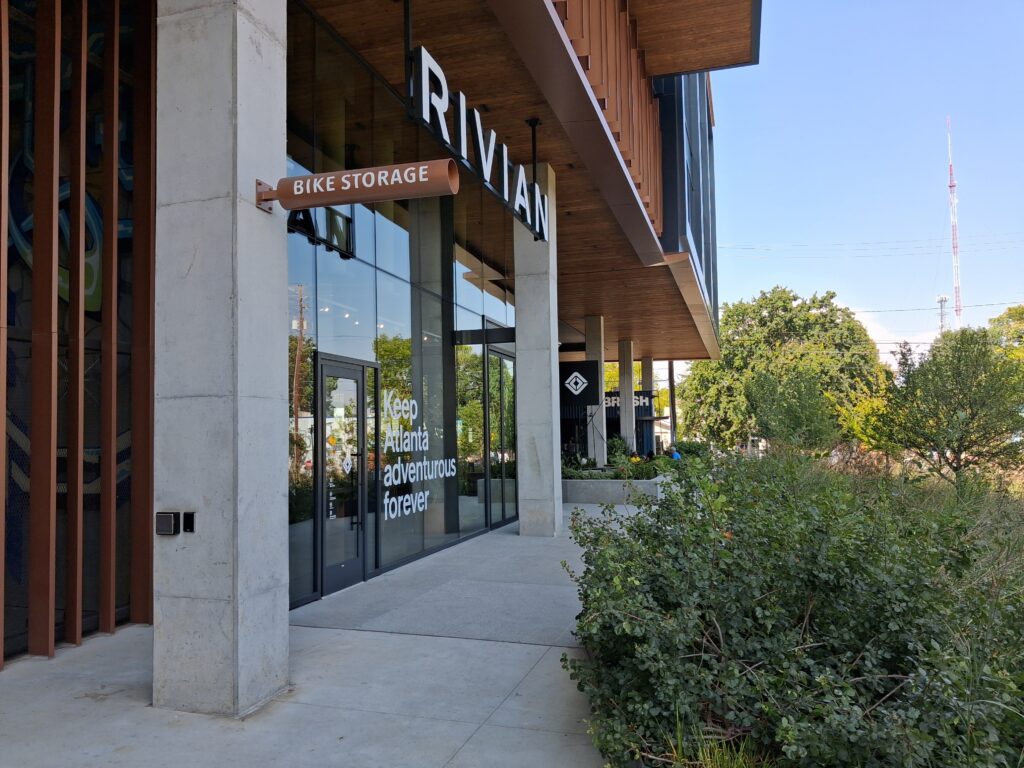
Beyond food and retail giants like the community-minded Patagonia store and craft beverage giant Hop City, The Krog District functions primarily as a neighborhood living room. The development frequently transitions from a shopping center to a cultural venue, hosting regular bi-weekly live Jazz Nights and seasonal neighborhood festivals.
As cities worldwide grapple with how to revitalize industrial sectors, Atlanta’s Krog District offers an interesting, historically significant, and ever-growing blueprint: find ways to honor the history, invite the community, and let the city walk right through the front door.
Check This Out...
-
Ugly Loss: Georgia Bulldogs Players Told To Put Helmets On As They Exited The Field Due To Alabama Fans Throwing Water Bottles, Cans At Team: Fan Appears To Shove Bulldogs Player’s Head: Georgia Fans React On Social Media As SEC Expected To Weigh In
-
Georgia Bulldogs Win In Regular Season At Alabama For First Time Since 2007, Now 6-0: Late Game No-Call On Assumed Penalty Stirs Controversy: Bulldogs Poised For #1 Ranking With Texas Loss
-
Minutes Away From Kickoff At 7:30 P.M.: The #2 Ranked Georgia Bulldogs Travel To Alabama To Face The 6th Ranked Crimson Tide: Both Teams Enter The Celebrated Matchup Undefeated
-
Hurricane Isaias Is Now A Category 3 Hurricane: East Point And Metro Atlanta Impact To Be Felt Later Today, Tomorrow: Flood Watch In Effect, Governor Declares Statewide State Of Emergency: How To Prepare
-
Atlanta Humane Society Announces Dog Adoption Event in Marietta On Saturday, October 10 From 12 P.M. – 3 P.M.