
By: Mike Herring/ The East Point New Editor
Step into any historic church, mid-sized praise venue, or a stadium-sized sanctuary in metro Atlanta on a Sunday morning, and you will hear a sound that has sustained generations through the darkest chapters of American history. It is a sonic tapestry woven from agonizing grief, unyielding hope, and unmatched vocal power. But today, that same spirit is just as likely to be found vibrating through smartphone speakers, global streaming playlists, and international arenas.
Black Gospel music, a foundational pillar of American culture, is undergoing a profound modern transformation. Even as it evolves through digital streaming and genre-bending collaborations, its architects are fighting to preserve the raw, sacred roots that changed the course of music history.
Born in the Shadows
The DNA of gospel was forged in structural trauma. In the 17th through 19th centuries, enslaved Africans in the American South created “Negro spirituals” and work songs. Denied literacy and basic human rights, they layered Biblical narratives of liberation over complex, polyrhythmic African musical traditions. These songs were dual-purpose: They offered an emotional escape from the horrors of the plantation while embedding secret, coded map directions for the Underground Railroad.
The Dorsey Blueprint: The Atlanta-Chicago Pipeline (1930s)
While modern gospel was commercially institutionalized in Chicago, its emotional and musical foundation was built right here in Georgia. In the 1920s and 1930s, a brilliant secular blues pianist named Thomas A. Dorsey began merging the syncopated, raw rhythms of jazz and ragtime with sacred church lyricism. Universally revered as the “Father of Gospel Music,” Dorsey’s early genius was shaped entirely by his roots in Villa Rica, where was born in 1933, and his time playing in the rent parties and barrelhouses of Atlanta.
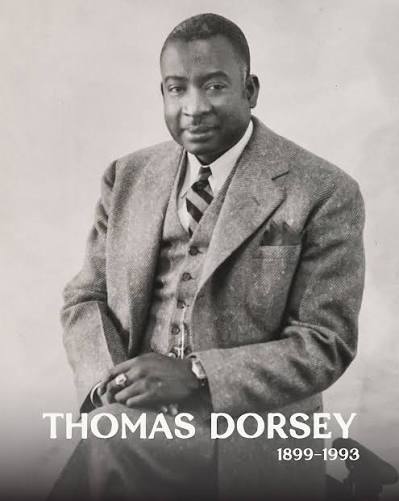
Dorsey took the deep, mournful moans of rural Georgia blues and brought them north during the Great Migration. In the 1930s, this “Gospel Blues” sound officially took over the pews. Church purists initially recoiled, labeling his syncopated piano styling “devil’s music.” Undeterred, Dorsey weaponized the struggle. Following the tragic, simultaneous loss of his wife and newborn son in 1932, he channeled his agonizing grief into the piano keys, composing the timeless masterpiece “Take My Hand, Precious Lord.” The song bridged secular pain with sacred hope and became the universal blueprint for the modern Black church.
The Golden Age of Quartets and Soloists (1940s)
By the 1940s, gospel music exploded out of individual congregations and into a massive commercial industry. The decade was defined by the Quartet Boom, characterized by tight, four-part vocal harmonies, sharp matching suits, and traveling caravans. Groups like the Soul Stirrers and the Blind Boys of Alabama toured a segregated America, using complex rhythmic syncopated pacing that laid the structural groundwork for later secular styles like Doo-Wop and R&B.
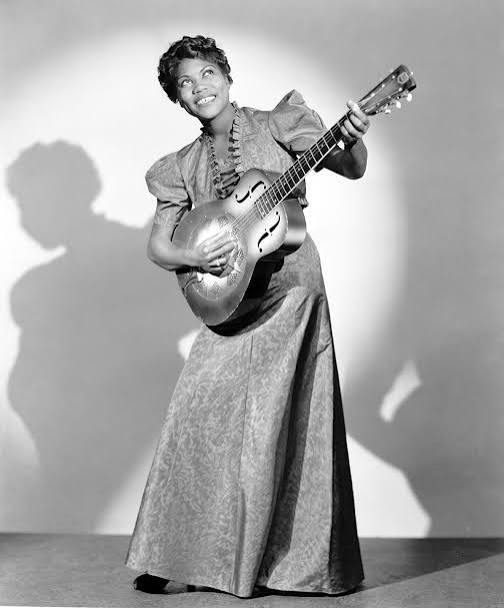
The absolute titan of this era was Sister Rosetta Tharpe. A fierce, guitar-shredding force, Tharpe brought gospel out of the church and into secular spaces like New York’s Cotton Club. Playing a heavily distorted electric guitar, her 1944 hit “Strange Things Happening Every Day” became the first gospel record to cross over and hit the top ten on the Billboard Harlem Hit Parade (R&B charts). Tharpe’s high-energy showmanship and revolutionary string bending became the literal architectural blueprint for Rock & Roll, directly instructing future legends like Chuck Berry, Elvis Presley, and Little Richard.
Soundtracking the Revolution and the Mass Choir Blueprint (1950s–1960s)
By the 1950s, gospel music moved from a source of Sunday morning comfort to the literal frontline of the battle for civil rights, with Atlanta serving as the movement’s epicenter. Activists and citizens adapted historic church arrangements into powerful “freedom songs,” transforming congregations like Atlanta’s Ebenezer Baptist Church into political strategy hubs.
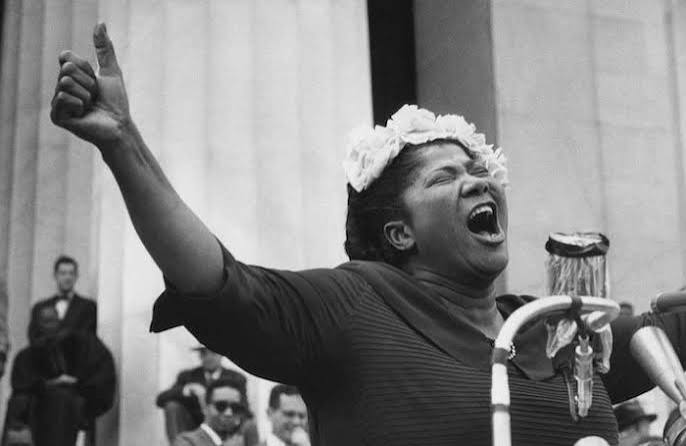
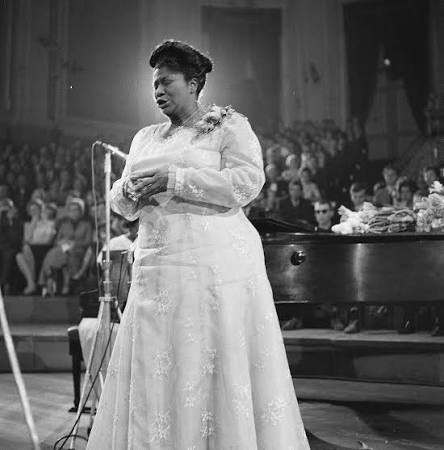
Mahalia Jackson rose to international prominence as the undisputed titan of this era. Her majestic, seismic contralto voice didn’t just fill concert halls; it fueled the early Civil Rights Movement. Standing alongside Dr. Martin local King Jr. during the high-stakes Montgomery Bus Boycott of 1955–1956, Jackson’s voice fortified peaceful protesters against systemic oppression. Right before Dr. King’s legendary “I Have a Dream” speech at the March on Washington in 1963, Jackson delivered a searing performance of “I’ve Been ‘Buked and I’ve Been Scorned,” anchoring the political moment in profound sacred tradition.
As the movement transitioned into the late 1960s, a visionary named Reverend James Cleveland completely re-engineered how the church sang. Revered as the “King of Gospel,” Cleveland combined the gritty, gravelly passion of soul singers with massive vocal power. In 1967, he founded the Gospel Music Workshop of America (GMWA), an institution that standardized the massive, modern “Mass Choir” format. Cleveland’s booming, emotionally unpolished vocal delivery and his work with choirs—such as the Southern California Community Choir—provided the exact sonic blueprint for the historic Edwin Hawkins Singers’ 1967 global crossover smash “Oh Happy Day,” permanently opening commercial R&B radio stations to the sacred sound.
The 1970s: The Dancefloor Deliverance and Sacred Revolutions
As the 1970s arrived, gospel underwent an explosive, multi-pronged evolution that pushed it to the absolute peak of American popular culture. The genre expanded into parallel schools—some diving deep into secular sounds, others revolutionizing traditional platforms, and some rewriting the rules of protest and crossover pop.
Rather than rejecting the pulsating four-on-the-floor rhythms of secular nightlife, progressive gospel artists hijacked the groove to spread a spiritual message. Choirs and soloists embraced heavy basslines, synthesizers, and sweeping string arrangements. The era’s defining giants, The Clark Sisters, infused Detroit funk and early dance rhythms into hits like “You Brought the Sunshine,” utilizing intricate jazz-vocal structures over infectious dance beats. Concurrently, secular disco icons frequently tapped gospel’s raw emotional power; artists like Sylvester and Candi Staton brought powerhouse church vocals directly onto the club dancefloor. This cross-pollination created a sub-genre often dubbed “gospel disco,” proving that sacred praise could thrive under a strobe light.
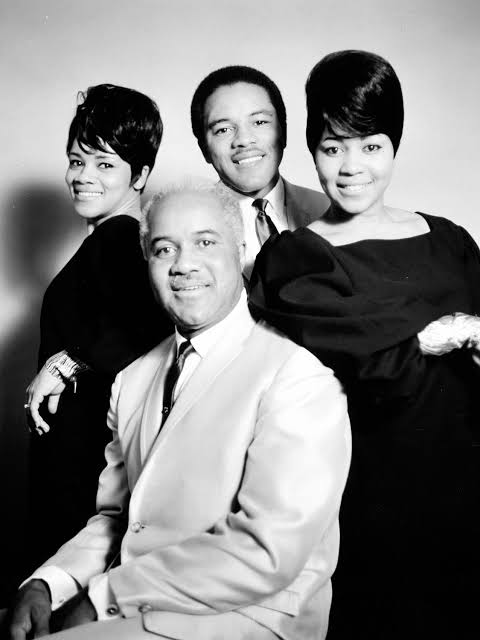
Simultaneously, gospel group The Staple Singers fully bridged the gap between sacred music, folk, and the secular soul charts. Led by Mavis Staples’ deep, gravelly lead vocals and Pops Staples’ tremolo guitar, the group left the traditional church circuit to record secularly for Stax Records. In the early 1970s, they released massive message-driven hits like “Respect Yourself” and “I’ll Take You There.” While the tracks topped the Billboard pop charts, the arrangements relied completely on the message of spiritual empowerment and the vocal pacing of the Black church, soundtracking the post-civil rights era.
Within traditional church circles, Pastor Shirley Caesar—”The First Lady of Gospel Music”—reconfigured the soloist landscape. Caesar specialized in lengthy, narrative-driven sermonettes embedded directly into her songs. Her 1970s hits like “No Charge” and “First Lady” combined traditional blues-gospel chord progressions with staggering, theatrical vocal storytelling. She proved that traditionalism didn’t need to borrow from radio trends to pack out major secular theater venues across the country.
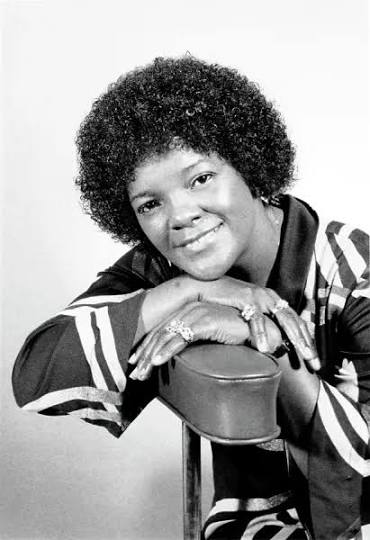
Away from the soloists, a massive internal shift occurred in the structural performance of church music. Led by Bishop Walter Hawkins, the 1970s birthed the modern choir renaissance. Hawkins’ landmark Love Alive album series revolutionized the traditional choir stand by introducing highly polished, sophisticated jazz harmonies, studio-grade vocal tracking, and contemporary structures. This movement elevated the local church choir from a regional congregation accompaniment into a Billboard-charting, standard-bearing artistic engine.
Concurrently, the broader American cultural landscape was rocked by the Jesus Movement, an evangelical revival that swept through counterculture youth communities. This birthed early Contemporary Christian Music (CCM), which fused folk-rock with faith lyrics.
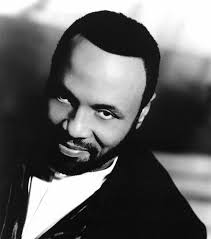
The monumental figure bridging Black Gospel with this emerging, largely White CCM market was Andraé Crouch. Rather than altering his message for the secular charts, Crouch brought a sophisticated, pop-infused vocal arrangement to the sacred market. His 1970s masterpieces with his group, The Disciples—such as “Take Me Back” and “To God Be the Glory”—offered a unifying, multi-ethnic sonic architecture. Crouch broke structural barriers, teaching Black gospel vocal dynamics to white evangelical spaces while pulling elements of West Coast pop into the Black church. He later became a premier go-to vocal arranger for secular elite, leading the backing choir arrangements on Michael Jackson’s “Man in the Mirror” and Madonna’s “Like a Prayer.”
Other Defining Voices Of The Era:
Edwin Hawkins, Tramaine Hawkins, Danniebelle Hall, Albertina Walker along with the The Mighty Clouds of Joy, Bishop Walter Hawkins & The Love Center Choir, The Barrett Sisters and The Rance Allen Group are all highly recognized for their contributions to this era as well.
Synthesizers and Star Solos: The Urban Ascent (1980s)
The 1980s accelerated gospel’s sonic modernization, replacing the heavy acoustic brass and live string arrangements of the previous decade with high-tech production. The introduction of the Yamaha DX7 synthesizer and digital drum machines completely transformed the landscape, pushing the genre into a sleek “Urban Contemporary” sound that mirrored the mainstream quiet storm and synth-pop movements.
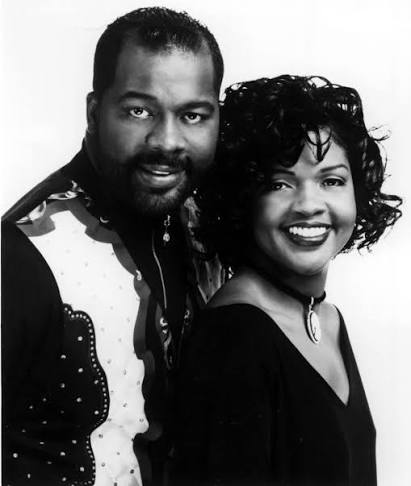
The undisputed titan of this era was the sibling duo BeBe & CeCe Winans. Emerging from Detroit’s legendary Winans musical dynasty, they permanently rewrote the crossover rulebook. Their 1987 self-titled album and 1988 follow-up Heaven weaponized polished, R&B-infused mid-tempo tracks that comfortably dominated both Christian charts and secular urban adult contemporary radio. Tracks like “Addictive Love” eventually went straight to number one on the Billboard R&B charts, a feat practically unheard of for openly devotional tracks.
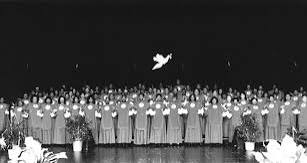
The decade was also anchored by massive Mass Choir movements, such as the Mississippi Mass Choir and the Chicago Mass Choir. These organizations managed to preserve the community spirit of traditional choir arrangements while polishing them with high-fidelity 1980s studio tracking. This created highly theatrical, booming audio projects that routinely topped the Billboard Gospel charts and set a new standard for national church music distribution.
The Hip-Hop Disruption and Platinum Era (1990s–2000s)
By the late 20th century, a younger generation demanded a sound that reflected the urban streets. In the 1990s, producer Kirk Franklin permanently disrupted the industry by marrying traditional choir arrangements with contemporary R&B, funk, and hip-hop. Despite fierce blowback from traditionalists who accused him of cheapening the gospel, Franklin’s 1993 debut album became the first gospel album to sell over a million copies, achieving multi-platinum status. His 1997 anthem “Stomp” featured secular rap icon Cheryl “Salt” James, proving that the message could survive an entirely new sonic outfit and dominate mainstream MTV rotation.
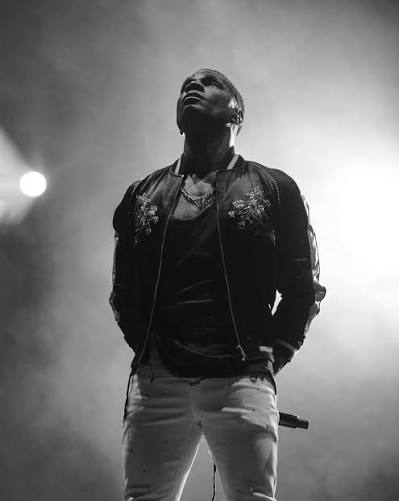
The momentum rolled seamlessly into the 2000s, an era defined by a smooth, sophisticated urban adult contemporary sound. The giant of this decade was Donnie McClurkin, whose traditional vocal power combined with stadium-sized praise ballads. His landmark album Live in London and More… (2000) went multi-platinum on the strength of “We Fall Down,” a song that crossed over onto secular R&B charts globally. McClurkin, alongside artists like Yolanda Adams and Fred Hammond, solidifed gospel as a major commercial force that could regularly sell out secular arenas.
The Praise & Worship Pivot (2010s)
The 2010s marked a tectonic structural pivot in how Black gospel was written, packaged, and consumed. While urban R&B and mass choir projects still held weight, the industry shifted aggressively toward Praise & Worship music—a more acoustic, corporate, and vertical style designed less for performance and more for congregational singing.
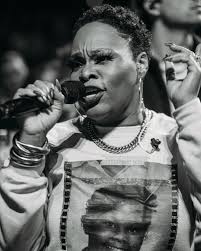
The titanic star who defined this entire decade was Georgia’s own Tasha Cobbs Leonard. Her 2013 breakout anthem “Break Every Chain” spent a staggering 58 weeks at number one on the Billboard Hot Gospel Songs chart, securing a Grammy and going platinum. Cobbs Leonard combined the powerhouse, emotionally raw vocal dynamics of traditional Black church soloists with the stripped-back, stadium-rock instrumental frameworks of Contemporary Christian Music.
Alongside fellow 2010s giants like William Murphy, Tamela Mann (whose ballad “Take Me to the King” became a massive hit), and Travis Greene, Cobbs Leonard spearheaded a style that intentionally flattened cultural walls. This allowed Black gospel to dominate traditionally white evangelical spaces, laying the o
The Modern Frontier: 808s and Global Beats
Today, that tradition of sonic disruption continues. Modern artists refuse to keep gospel confined within traditional church walls. The current landscape is dominated by a dizzying array of sub-genres. Christian Hip-Hop (CHH) trailblazers fuse heavy, trap-infused 808 bass drops with theology, while artists like Limoblaze integrate Nigerian Afrobeats to capture millions of younger listeners on TikTok and Spotify.
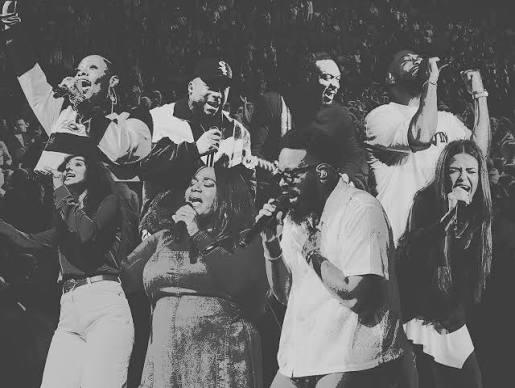
Meanwhile, Atlanta-based powerhouse movements like Maverick City Music and veteran icons like CeCe Winans are leading a multi-ethnic “Praise & Worship” movement. Their acoustic-driven, stadium-scale anthems easily transition from historic Black church pulpits to suburban megachurches.
Inside the Modern Pews: How Gospel is Performed Today
The actual performance of gospel inside churches has shifted dramatically from the traditional structures of the 20th century. In contemporary sanctuaries, the massive, 50-person robed choir stand is increasingly a relic of the past. Instead, churches utilize a “Praise Team”—a sleek ensemble of four to eight highly microphoned vocalists standing at the front of the stage.
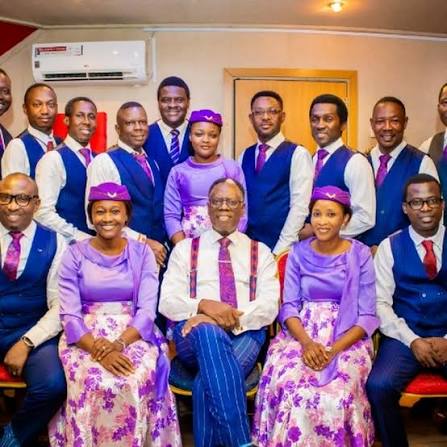
The traditional acoustic piano and Hammond B-3 organ are now supplemented or replaced by heavy digital synthesizers, click tracks (metronomes fed into musicians’ earpieces), and digital audio workstations running backing tracks. This guarantees a highly produced, concert-like sonic precision. However, the foundational element of call-and-response—where the leader triggers spontaneous vocal eruptions from the congregation—remains the unbreakable spiritual engine of the service.
The Sales Picture: A Multi-Billion Dollar Streaming Surge
Financially, gospel music is experiencing an unprecedented boom, entirely rewritten by digital consumption. According to the latest Luminate Year-End Data, Christian and gospel music expanded by a staggering 18.5% in on-demand audio streaming volume. This rate of growth severely outpaces mainstream genres like Rock (6.4%) and Latin music (5.2%).
Driven by a highly engaged demographic where Millennials and Gen Z account for 45% of the total listenership, faith-based music now generates over 30 billion on-demand streams annually. The total U.S. market revenue for the combined Christian/Gospel sector sits comfortably over $1.7 billion, showing that faith-based art is no longer a niche market but a primary driver of the global music economy.
The Cost of Evolution
Yet, this rapid modernization has triggered deep cultural anxiety among musicologists and traditionalists.
“When you lose the traditional choir stand, you risk losing the community-driven vocal arrangements, sheet hymnals, and the historic ‘lined-hymn’ traditions that defined the Black church for a century,” warns Dr. Evelyn Rogers, a music historian specializing in African American sacred music.
Furthermore, systemic hurdles persist. Black gospel artists continue to report structural barriers when trying to cross over into the lucrative, White-dominated Contemporary Christian Music (CCM) radio market without compromising their cultural identity.
Nevertheless, the story of Black Gospel has never been one of stagnation. It is a living, breathing testament to cultural resilience. As it navigates the digital age, the genre proves that while its outer shell will always shift to meet the times, its unwavering spiritual core remains completely unbreakable.
Check This Out...
-
End Of An Era: The Death Of Former Televangelist Jim Bakker At Age 86 Closes A Controversial Chapter In American Religious And TV History
-
When Suicide Hits Home: Coping Through Outside Help, Utilizing The 988 Emergency Service
-
Fast-Growing 2819 Church Brings Big Numbers, Younger Crowds To Greenbriar
-
Prayer Brings One Closer To Higher Power, Aids Health: Scientific Research