
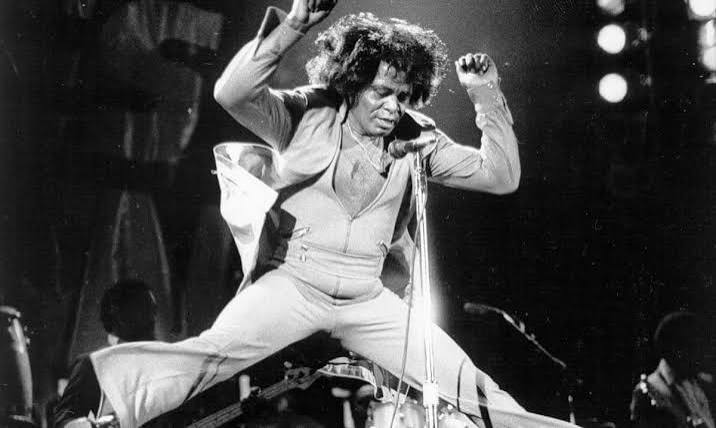
The late Godfather Of Soul’s decades-long legacy of music hits that dominated his life are living on 20 years after he passed away. The Augsuta, Georgia native is the most-sampled R&B/Soul artist of all-time, according to WhoSampled.com. According to the site, Brown has been sampled has been sampled at least 18,576 times.
And being the top dog in sought-after samples has paid off handsomely for the Brown estate. Take a look at these numbers and learn a quick lesson on the history of sampling in the process:
James Brown’s Estate: Sells for $90 Million
James Brown retained strict control over his publishing and songwriting copyrights throughout his life. Because he was listed as the sole songwriter on most tracks, all sample licensing fees and royalties flowed directly to him and his business entities.
Where the Money Went: Per Brown’s final wishes, the bulk of this money did not go to his children. Instead, it was used to permanently endow a charitable trust providing academic scholarships for underprivileged children in South Carolina and Georgia.
The Valuation: By the time Brown passed away in 2006, his catalog, music rights, and brand generated enough ongoing sample and streaming revenue to value his estate at roughly $100 million.
The Buyout: After 15 years of intense legal infighting among family heirs, the estate officially settled in late 2021. A music publishing company called Primary Wave Music purchased the estate’s assets for $90 million.
The Musicians: Paid a One-Time “Session Fee”
The musicians who actually created the heavily sampled grooves—like the world’s most sampled rhythm section—reportedly made virtually zero royalty money from the thousands of hip-hop and pop tracks that copied them.
- The “Work-for-Hire” Trap: In the 1960s and 70s, session musicians were treated as independent contractors. For the historic 1970 recording of “Funky Drummer”, legendary drummer Clyde Stubblefield was paid a standard one-time union session fee (roughly a few hundred dollars by today’s standards).
- No Songwriting Credits: Because Stubblefield did not receive a composer or songwriter credit for creating the drum beat, he legally had no right to sample royalties under U.S. copyright law. James Brown collected the checks.
- Later Hardships: In a tragic irony, while billions of streams and millions of dollars were generated using Stubblefield’s distinct groove, he struggled heavily with medical debt later in life. (Famously, the artist Prince—who revered Stubblefield—secretly paid off $80,000 of his medical bills in the early 2000s out of respect).
The Wild West Era of Early Sampling
It is also worth noting that the estate didn’t even catch every dollar. During the “Golden Age” of hip-hop in the late 1980s (think Public Enemy, N.W.A, and Run-DMC), sampling law was completely unregulated.
Producers ripped James Brown’s drums and vocals directly off vinyl records without paying a single cent or asking for permission. It wasn’t until landmark federal lawsuits in the early 1990s that “sample clearance” became legally mandatory, forcing record labels to retroactively pay the James Brown estate millions to settle old copyright infringements.
Check This Out...
-
90s-2000s R&B Fans Are In For A Treat: A New Verzuz Battle Featuring Carl Thomas Vs. Case: Thursday, October 22 At 9:00 P.M.
-
The East Point News Rewind: The Dynamic Superiors Made History And Dazzled Audiences In The 1970s With Hit Songs–And A Lead Singer Who Wore Make-Up And Occasionally Performed In Drag
-
The East Point News Offers A New Feature To Readers: The East Point News REWIND. It Offers A Look At Unique Music And Entertainment Figures Who Quietly Impacted Both Entertainment And Culture
-
Legendary R&B And Soul Singer Freddie Jackson Dies, Shocking Longtime Fans: Jackson Turned 70 Years Old This Past Friday, Performed In Atlanta Two Weeks Ago
-
Actor And Comedian Reggie McFadden Dies At 57: McFadden Worked On “In Living Color”, “Def Comedy Jam” And More