

High blood pressure (hypertension) is a significant health challenge in the Black community, affecting approximately 58% of Black adults in the United States. This rate is higher than in any other racial or ethnic group, with conditions often developing earlier in life and with greater severity.
While the causes are complex—ranging from environmental stressors to social determinants of health—lifestyle modifications are the primary means of prevention and treatment.
The Impact of Diet: Culturally Responsive Solutions
Dietary habits, particularly high sodium and low potassium intake, are major contributors to the hypertension gap. Research shows that certain traditional diets, sometimes called “Southern diets,” although often delicious in taste, can be high in fried ingredients, processed meats, and added fats.
However, you can preserve cultural heritage while making heart-healthy swaps:
- Modify Traditional Dishes: Use smoked turkey instead of ham hocks or bacon to season greens and beans.
- Natural Flavoring: Replace salt with vinegar, lemon juice, or herbs like oregano and cumin to reduce sodium without losing flavor.
- Heart-Healthy Soul Food: Incorporate more potassium-rich foods like sweet potatoes, yams, and leafy greens (collards, kale, spinach), which help relax blood vessel walls.
- The DASH Advantage: The DASH (Dietary Approaches to Stop Hypertension) diet—rich in fruits, vegetables, and low-fat dairy—has been shown to have twice the blood pressure-lowering effect in Black adults compared to White adults.
Strategic Lifestyle Changes
Beyond diet, several key habits can significantly lower risk and improve overall cardiovascular health:
- Sodium Reduction: Aim for less than 1,500 mg of sodium daily if you already have high blood pressure. Avoid the “salt shaker” and check labels on canned or processed foods for “low-sodium” options.
- Physical Activity: Engage in at least 30 minutes of moderate exercise, such as brisk walking, most days of the week. Even small increases in walking have shown success in managing BP in Black communities.
- Weight Management: Losing even 5–10 pounds can significantly improve blood pressure control.
- Limit Alcohol and Tobacco: Cutting back on alcohol and quitting smoking are critical for reducing long-term heart risks.
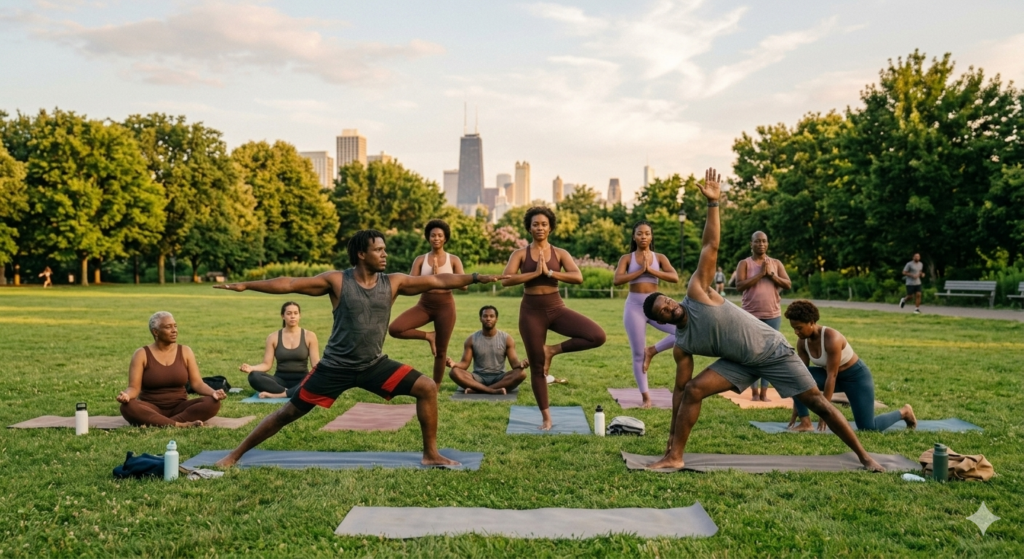
Yoga
Regular Yoga exercises can significantly lower blood pressure, especially for those already diagnosed with hypertension. It works by reducing stress, enhancing parasympathetic nervous system activity, and improving heart health. Studies suggest that consistent, gentle yoga, particularly when incorporating breathing techniques and meditation, can reduce systolic blood pressure by 8–11 mm Hg.
Economic and environmental factors can make healthy living difficult. If fresh produce is hard to find or too expensive, consider these alternatives from retailers or the American Heart Association:
- Canned and Frozen Options: Choose frozen vegetables without sauces or “no-salt-added” canned vegetables.
- Community Support: Programs based in local faith centers, shopping centers, and barbershops and hair salons have proven effective in providing education and support for managing blood pressure.
Remember, maintaining good health doesn’t have to be expensive or cumbersome and neither does managing hypertension and reducing elevated blood pressure. Exercising regularly and making adjustments in your diet can keep you healthier and alive, so start making changes today.
Check This Out...
-
Pennsylvania Measles Outbreak Surpasses 1,000 Cases In Nation’s Worst Surge In 35 Years
-
Flu Season Starts This Month: Health Experts Advise Early Vaccination Amid Flu, RSV, And Covid-19 Risk
-
Razor Bumps And Ingrown Hairs: How To Quickly Treat And Get Rid Of Them
-
September Is Prostate Cancer Awareness Month: What It Is, What The Signs Are, And Who Is At Highest Risk From It
-
Food Warning: Great Value, GreenWise Frozen Berries Recalled