
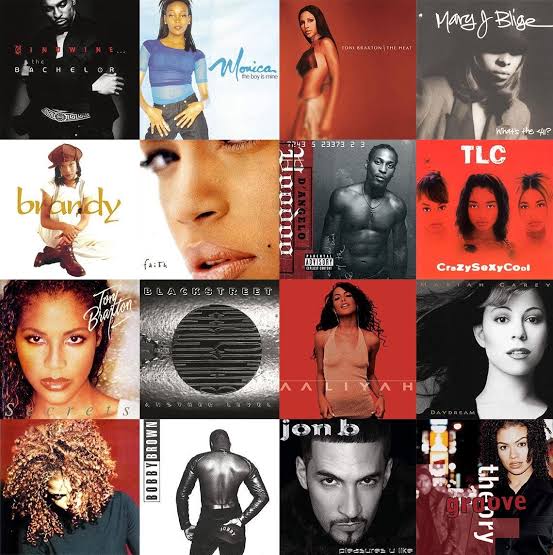
Turn on any mainstream urban radio station today, and the sonic landscape is unmistakable: Moody, atmospheric Trap beats, heavily digitized vocals, and lyrics detailing the icy detachment of modern dating. It is a formula that dominates the charts, yet it has left a massive demographic of music lovers experiencing a deep, collective nostalgia.
A growing chorus of critics and listeners are asking the same question: What happened to The Soul?
The 1990s remain the golden era for R&B, a period when the genre was the undisputed driving force of global pop culture.
Decades later, the longing for that specific era is not just simple nostalgia—it is a response to fundamental, structural shifts in how music is written, performed, produced–and felt.
The Silence of the Harmonies
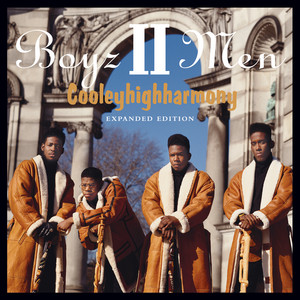
The most glaring omission in today’s musical landscape is the near-total extinction of the R&B group. The 1990s thrived on collective vocal power, delivering iconic acts like Jodeci, TLC, Boyz II Men, SWV, H-Town, and Atlanta’s own Xscape, Jagged Edge, and 112.
These groups relied on complex, live three but usually four-part harmonies that added a lush, tectonic layer to the music.
In the current landscape, the industry has heavily pivoted toward solo acts. The unique chemistry of blending distinct vocal textures into a singular, powerhouse harmony has been replaced by isolated vocals, leaving a void where choral depth used to live.
Unapologetic Emotional Vulnerability
In the 90s, R&B songs were written about love without irony. Artists sang explicitly and passionately about longing, devotion, heartbreak, and joy without the fear of being “too emotional” or looking uncool.
Modern R&B frequently leans into detached, toxic, or “cool” perspectives. Meanwhile, 90s tracks by artists like Toni Braxton, Boyz II Men, and Jodeci were raw, beautiful, and spoke directly to true, relatable human situations.
At the center of 90s R&B songs were often declarations of love, needing love, having lost love, not wanting love to go away, and finding love that lasts.
Church-Trained Artistry and Structure
A massive portion of 90s R&B royalty cut their teeth singing in church choirs. This upbringing didn’t just teach vocal pitch; it taught conviction, vocal runs, and deep emotional delivery.
Songs were also structured with classic musical complexity—such as powerful bridges that built anticipation before a final, explosive chorus. Today, many mainstream tracks drop the bridge entirely in favor of shorter, loop-heavy structures optimized for short attention spans.
Warm Production vs. Modern “Dark” Beats
The sonic landscape of the 90s relied heavily on musicians and producers crafting songs together from scratch, often starting at a piano with natural instrumentation. As has been noted by music history scholars, 90s production used brighter musical keys designed to evoke vibrant, uplifting emotions.
In contrast, contemporary R&B heavily utilizes 808 basslines, trap beats, and dark electronic cadences, which inherently give the music a moody, nocturnal, and somewhat colder frequency.
Mainstream Black Cultural Dominance
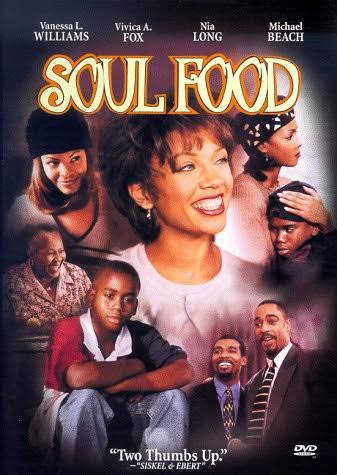
The 90s was a period where Black media, music, cinema, and fashion were firmly driving global mainstream culture. Culturally defining movies like Waiting to Exhale, Love Jones, and Soul Food were anchored by multi-platinum, all-star R&B soundtracks. R&B wasn’t a niche subgenre; it was a collective, shared cultural ritual that soundtracked everyday life.
Television shows such as Living Single and A Different World helped the Black cinematic and entertainment expansion and renaissance, increasing Black visual representation that built off the Disco-era TV success of 70s classic shows such as The Jeffersons, Good Times, and Sanford And Son.
The Essential Record Crate: Albums Every 90 R&B Head Must Own
To fully understand the magnitude of this golden era, one must look directly at the definitive studio releases that built the genre’s legacy–a longstanding legacy that celebrated joy, talked about pain, love, loneliness, togetherness, and immersed us in not just the sound but the experience of music–Black Music.
For an uncompromising, definitive R&B music collection, these are the top essential 1990s R&B albums that belong in every music collection:
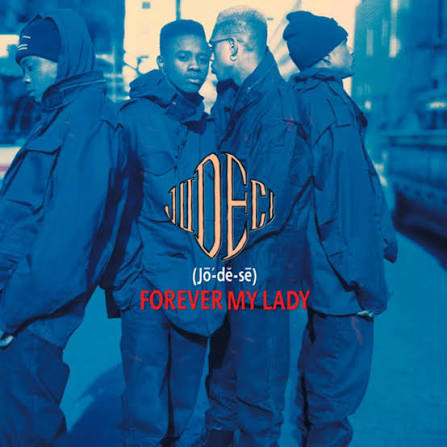
Jodeci — Forever My Lady (1991)
The explosive debut that completely revolutionized the look, attitude, and sound of male R&B groups. Fusing raw Hip-Hop swagger with heavy gospel-trained vocal delivery, tracks like “Stay,” “Come and Talk to Me,” and the title track “Forever My Lady” set an unshakeable standard for 90s New Jack Swing and Slow Jams.
Mary J. Blige — My Life (1994)
The undisputed blueprint of “Hip-Hop Soul”. Coping with real-life heartbreak and personal struggles, Mary poured raw, therapeutic emotion over heavy Hip-Hop samples. Tracks like “Be Happy”, “I Love You”, “Don’t Go”, and “I’m Going Down” established her legacy as the ultimate voice of urban realism.
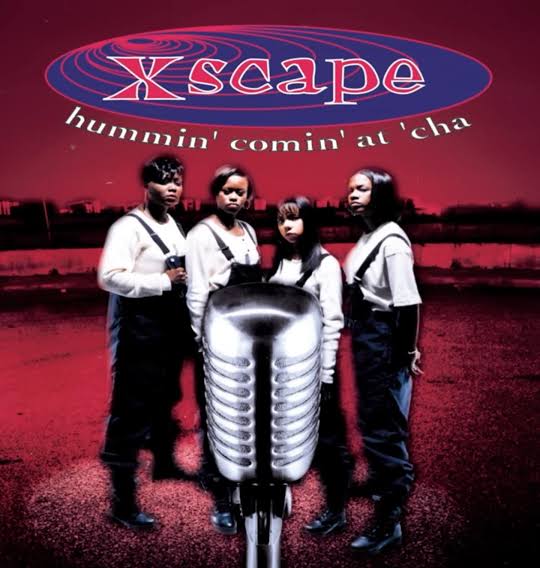
Xscape — Hummin’ Comin’ at ‘Cha (1993)
A vocal powerhouse of a debut orchestrated by Jermaine Dupri that put Atlanta R&B firmly on the map. Driven by the soaring, un-compromised church-inflected vocals of LaTocha Scott, Tameka “Tiny” Harris, Kandi Burruss and Tamika Scott, singles like “Just Kickin’ It” and “Understanding” delivered unparalleled, raw harmonies that defined the early 90s bedroom groove and helped define the ATL Sound.
112 — 112 (1996)
The self-titled powerhouse debut that established Bad Boy Records as an R&B powerhouse. Showcasing pristine, smooth vocal layers backed by Sean Combs’ crisp, sample-heavy East Coast Hip-Hop production with an Atlanta style, timeless tracks like “Cupid” and “Only You” helped set the gold standard for late-90s quartet romance.
Monica — Miss Thang (1995) Atlanta-born and raised Monica’s legendary 90s R&B classic debut album is Miss Thang, which was released on July 18, 1995, when she was just 14 years old remains a 90s classic. Executive produced by Dallas Austin, the album went 3x Platinum, establishing Monica as a teenage powerhouse and a defining voice of the era. With its hit singles like “Don’t Take It Personal (Just One of Dem Days)” and “Before You Walk Out of My Life,” she became the youngest artist ever to score consecutive number-one hits on the Billboard Hot R&B chart.
After 7 — After 7 (1989)
Though released on the cusp of the decade, this eponymous, platinum-selling masterpiece effectively became an architectural pillar for early 90s R&B. Written and produced by the iconic duo of L.A. Reid and Babyface (featuring Babyface’s brothers Melvin and Kevon Edmonds), the album delivered unmatched adult-contemporary vocal sophistication through towering multi-week #1 hits like “Ready or Not” and “Can’t Stop”.
Faith Evans — Faith (1995)
The mesmerizing debut that established Bad Boy Records’ first lady as a premier vocal and songwriting force. With her signature airy, gospel-trained soprano floating over rich Hip-Hop arrangements, Evans delivered timeless, sophisticated soul classics like “You Used to Love Me”, “Soon as I Get Home”, and her soulful remake of the Rose Royce classic “Love Don’t Live Here Anymore”, a duet with Mary J. Blige.
Shanice — Inner Child (1991)
A masterclass in pure vocal acrobatic joy and early 90s Pop-R&B fusion. Backed by the legendary production of Narada Michael Walden, Shanice’s powerhouse five-octave range took center stage on the infectious, timeless anthem “I Love Your Smile”, the soaring remake of Minnie Ripperton’s “Loving You”, and the emotional Persian Gulf War-influenced ballad “Silent Prayer.”
Boyz II Men — II (1994)
A masterclass in traditional vocal harmony. Driven by the flawless production of Babyface, Jimmy Jam, and Terry Lewis, this album dominated the charts with massive anthems like “I’ll Make Love to You” and “On Bended Knee”, cementing the group as history’s greatest modern vocal quartet.
Ms. Lauryn Hill — The Miseducation of Lauryn Hill (1998)
A multi-Grammy-winning masterpiece that seamlessly blended Neo-Soul, Reggae, and Hip-Hop. With brilliant, timeless lyricism on “Ex-Factor” and “Doo Wop (That Thing)”, Hill’s solitary solo album remains widely cited as one of the greatest pieces of recorded musical art across any genre.
TLC — CrazySexyCool (1994)
The definitive statement of 90s female assertion, style, and swagger. Blending New Jack Swing with smooth, mid-tempo funk, the album yielded massive, generation-defining cultural touchstones like “Waterfalls” and “Creep”.
D’Angelo — Brown Sugar (1995)
The catalyst for the late-90s “Neo-Soul” movement. D’Angelo rejected the hyper-polished synthetic production of the mid-90s, using raw, vintage live instrumentation, smoky vocals, and deep baseline Jazz grooves to evoke the spirit of classic Soul masters.
Jodeci — Diary of a Mad Band (1993)
The perfect intersection of church-choir vocal arrangements and dark, edgy, hip-hop-influenced street style. Produced entirely by DeVante Swing, the album delivered unmatched vocal intensity on slow-jam staples like “Cry for You” and “Feenin’.”
Janet Jackson — janet. (1993)
A massive career turning point where Ms. Jackson confidently stepped into themes of deep maturity, sensuality, and absolute creative freedom. Anchored by the breezy, classic groove of “That’s the Way Love Goes”, it set the standard for 90s pop-R&B crossovers.
Erykah Badu — Baduizm (1997)
A mystical, jazz-soaked alternative to commercial R&B. Badu’s eccentric delivery and bohemian poetry on “On & On” brought organic soul back to its roots, helping to push the burgeoning underground neo-soul genre directly into the mainstream spotlight.
Aaliyah — One in a Million (1996)
The album that pushed R&B into the future. Aaliyah’s smooth, whispering vocal arrangements combined with Timbaland’s complex, stuttering, and eccentric electronic drum cadences to create a unique progressive sound that completely shifted the genre’s aesthetic heading into the new millennium. “Four Page Letter” and “One In A Million” remain classics three decades later.
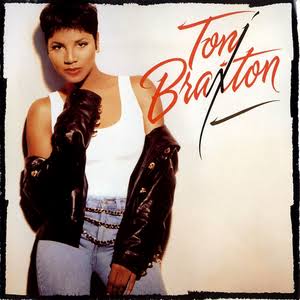
Toni Braxton — Toni Braxton (1993)
Anchored by Braxton’s remarkably deep, velvety contralto voice, her self-titled debut is a triumph of sophisticated adult contemporary soul. Powered by signature heartbreak slow grooves like the monster hit “Love Should Have Brought You Home”, “Another Sad Love Song” and “Breathe Again”, it remains the ultimate heartbreak companion piece.
H-Town — Fever for Da Flavor (1993)
The explosive debut that injected a raw, uncompromising Southern Soul into the early 90s New Jack Swing landscape. Driven by Dino Conner’s soaring, gut-wrenching lead vocals, the legendary multi-week #1 smash “Knockin’ Da Boots” established a raw, baseline standard for pure bedroom-groove vocal delivery that redefined modern romance.
Check This Out...
-
Legendary R&B And Soul Singer Freddie Jackson Laid To Rest In Harlem On Monday: Melba Moore, Valerie Simpson, And More Pay Tribute + Video Of Homegoing Service
-
90s-2000s R&B Fans Are In For A Treat: A New Verzuz Battle Featuring Carl Thomas Vs. Case: Thursday, October 22 At 9:00 P.M.
-
The East Point News Rewind: The Dynamic Superiors Made History And Dazzled Audiences In The 1970s With Hit Songs–And A Lead Singer Who Wore Make-Up And Occasionally Performed In Drag
-
The East Point News Offers A New Feature To Readers: The East Point News REWIND. It Offers A Look At Unique Music And Entertainment Figures Who Quietly Impacted Both Entertainment And Culture
-
Legendary R&B And Soul Singer Freddie Jackson Dies, Shocking Longtime Fans: Jackson Turned 70 Years Old This Past Friday, Performed In Atlanta Two Weeks Ago