
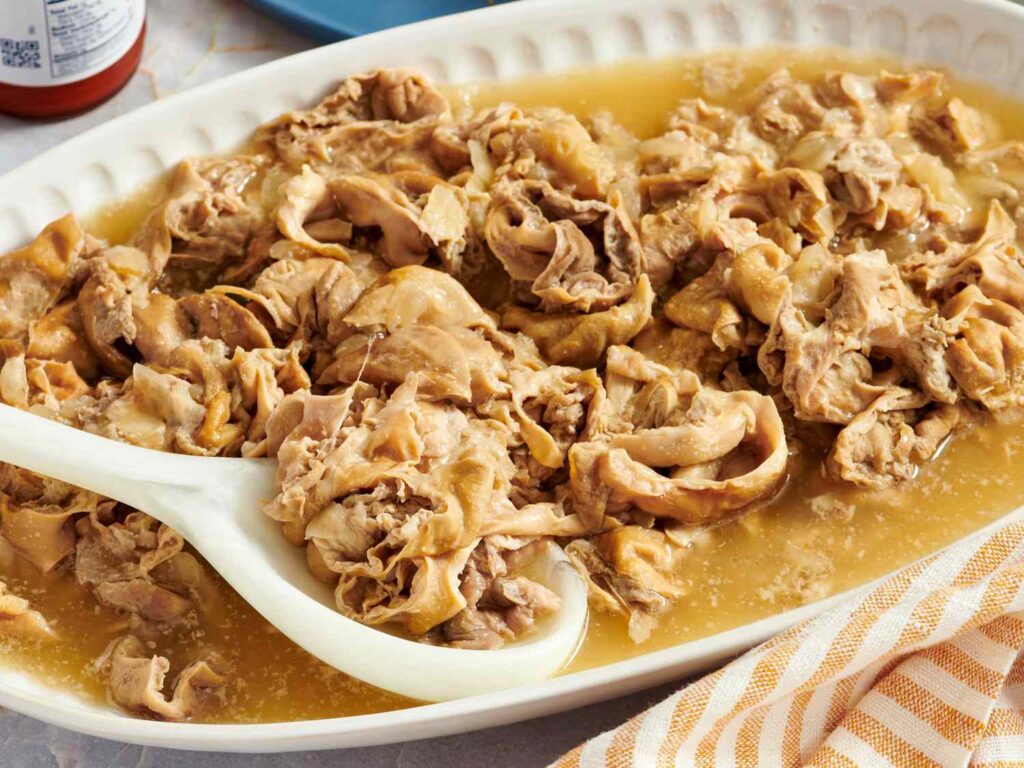
To understand the history of the American South, one must understand the chitterling.
Commonly pronounced chitlins, these slow-boiled pig intestines are the most controversial dish on the traditional Soul Food table. For some, the pungent aroma wafting from a holiday kitchen evokes warm memories of family, resilience, and survival.
For others, it is an unwelcome reminder of a painful past, or simply an unappetizing culinary chore.
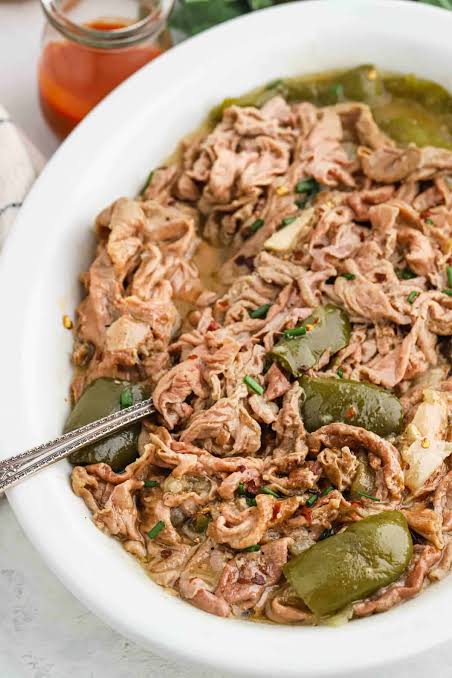
Yet, as families gather for winter holidays, the enduring presence of chitlins proves that this survival-era ration has secured an indelible—if complicated—place in American history.
Out of Necessity, Innovation
The roots of the dish trace directly to Southern plantations during the era of American slavery. During the annual winter hog harvest, White slaveholders claimed the premium cuts of meat, such as the hams and loins. Enslaved people were left with the perishable, unwanted offal—the feet, ears, and intestines.
Faced with starvation, enslaved Africans relied on ancestral West African culinary traditions, which emphasized utilizing every edible part of an animal. To make the pungent, fibrous intestines safe and palatable, they developed a meticulous cleaning process, boiling the meat for hours with onions, vinegar, red pepper flakes, and hot sauce to mask the odor and infuse flavor.
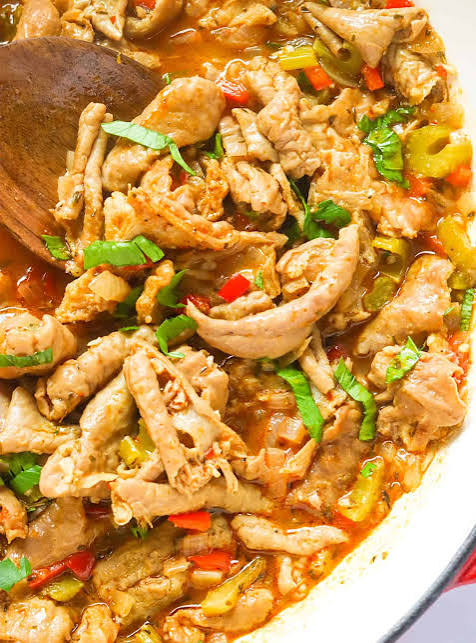
And soon, what began as a strategy for physical survival evolved into a masterclass in culinary resourcefulness.
Following emancipation, chitlins remained a staple for working-class Black families during harsh Southern winters. By the mid-20th century, the dish had become so culturally foundational and common that the network of safe performance venues for Black musicians during Jim Crow was christened the “Chitlin’ Circuit.”
By the late 1960s, during the Black Power and Civil Rights movements, the food of necessity was officially rebranded as “Soul Food,” transforming the humble pig intestine into a celebrated symbol of cultural pride and survival.
A Generational Divide
Today, the demographic of who eats chitlins is shrinking, transforming the dish from a regular meal into a specialized holiday tradition celebrated primarily during Thanksgiving, Christmas, and New Year’s Day.
The dish now faces a sharp generational divide:
The Traditionalists: For older generations of Black Americans, particularly those with Southern roots, preparing chitlins is a sacred ritual. The dish is viewed as a gourmet cultural delicacy and a way to honor the struggles of their ancestors.
The Modern Skeptics: Many younger Black Americans are abandoning the tradition. The decline is driven by the grueling, multi-hour labor required to hand-clean raw intestines, the notoriously strong odor that fills the home during cooking, and a growing cultural shift toward healthier or plant-based diets.
Chitterlings were once offered as a regular or weekend entree at a number of Soul Food eateries around metro Atlanta but as time has passed, the numbers have shrunk to the point that one has to search to find a chitterling dinner in The ATL.
A Global Counterpart
While the word “chitlins” belongs to the American South, the practice of eating animal intestines is far from unique to the region and the culture. The dish shares culinary DNA with delicacies around the world, from French andouillette and Mexican tripas to Korean gopchang.
Ultimately, chitlins remain a polarizing paradox. To their detractors, they are a relic of oppression best left in the past. To their defenders, they represent the ultimate triumph of African American creativity—a testament to a people who took the absolute worst scraps available and engineered them into a celebration of endurance.
Check This Out...
-
Around 10,000 Children Are In Need Of A Loving, Safe Home In Georgia: Here’s How You Can Become A Foster Parent Or Adopt A Child
-
Happening Today: Hip Hop Icons And East Point Legends Outkast Launch Merch With Waffle House, Host Collab Drop At Centennial Olympic Park Restaurant At 11 A.M.
-
PINK RIBBONS AND PERSONAL JOURNEYS: OCTOBER MARKS GLOBAL BREAST CANCER AWARENESS MONTH
-
Hispanic Heritage Months Begins This Week: Events And Celebrations Run From September 15 To October 15: South Fulton Features “México en el Corazón” Tour At Wolf Creek Sunday + More
-
Georgia Tradition: The Rich Cultural History Of Fish And Grits