
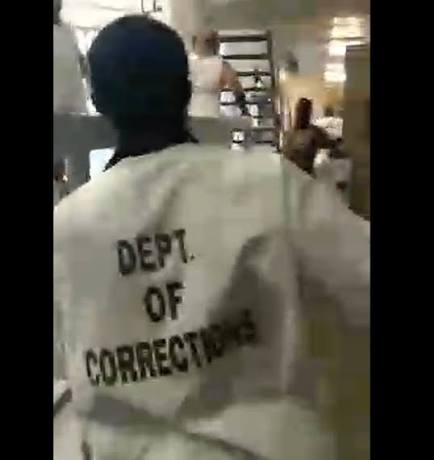
Across TikTok, Instagram, and YouTube, a controversial genre of content is capturing millions of views and dominating social media algorithms: videos filmed entirely by inmates inside Georgia’s state and federal prisons.
From elaborate cooking hacks utilizing commissary items to raw exposés of crumbling facility conditions, the “Prison TikTok” phenomenon has exploded in popularity. While the videos offer the public an unprecedented, unfiltered look behind bars, they are also triggering a fierce debate over prison security, the proliferation of contraband, and the ethics of inmate influencer culture.
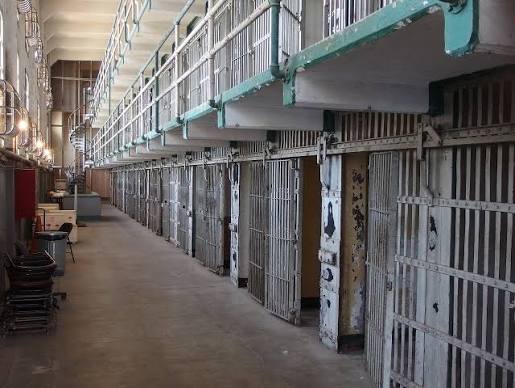
The Rise of the “Prison Influencer”
For decades, the inner workings of correctional facilities remained hidden behind high walls and strict visitation policies. Today, inmates armed with smuggled smartphones are bypassing traditional barriers to broadcast their daily lives directly to global audiences.
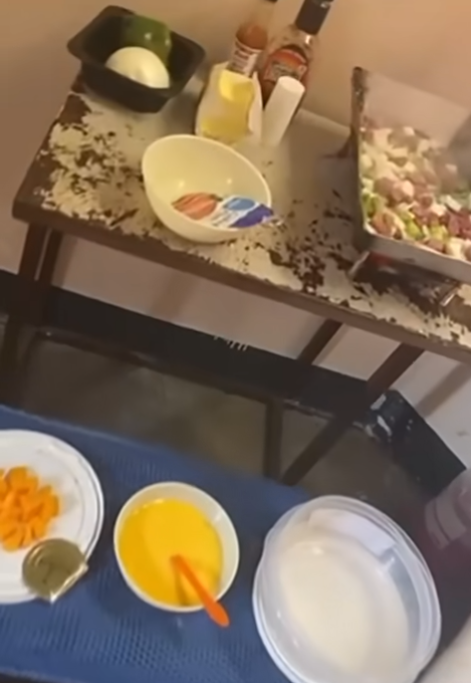
Among the most popular trends are prison culinary videos. Incarcerated creators demonstrate how to make complex meals—like makeshift pizzas, tamales, or cakes—using potato chip bags, hot water, and a blend of ramen noodles and canned meats. Other creators focus on daily fitness routines, storytelling, and advice on navigating the social hierarchy of maximum-security units.
But some content creators are taking their social media aspirations a step further by creating sexually explicit content either alone–or with others.
Supporters of inmate content creators argue the videos that often rack up hundreds of thousands and frequently many millions of views are harmless, and classify the content as a humanizing and rare glimpse of the often brutish conditions behind confined walls.
To corrections officials, however, every view is a public embarrassment and a stark reminder of a massive security breach.
Whistleblowing and the Reality of Mass Incarceration
Beyond lighthearted entertainment, and occasionally risque fare, the trend has also taken on a serious activist tone. Inmates are increasingly using social media as a whistleblowing tool to document understaffing, violence, and unlivable, shocking conditions.
Similar viral exposés, including a heavily shared digital documentary on the chaotic conditions within the Clayton County Jail, have amplified calls for federal oversight and intervention in Georgia’s correctional facilities.
A viral video recorded at Georgia’s Valdosta State Prison showed an inmate navigating a dark, severely flooded cell, sparking intense public backlash online. While the Georgia Department of Corrections stated that the inmate intentionally caused the flood during a lockdown out of anger, advocates pointed to the footage as visual proof of systemic neglect.
This incident follows a U.S. Department of Justice report detailing widespread violence and infrastructure failures within Georgia facilities.

Scandals, Vanity, Image Rehabilitation–And Sex
While the viral video phenomenon has raised concerns about the safety of Georgia’s prisons, it has also bred a strange subculture of viral fame, inmate drama, and strategic public relations.
In recent weeks, social media users have been captivated by the bizarre story of a Florida inmate who allegedly instigated a jail fight just weeks before his scheduled release—purportedly to extend his sentence so he could remain inside with a new partner he met while locked up.
Simultaneously, high-definition photos and 4K videos posted by inmates like Houston-based creator @theraiellee have gone viral. Reports emerged that she was allegedly caught with an iPhone after running a highly lucrative OnlyFans account and sending unauthorized media from behind bars, leaving viewers questioning how such sophisticated recording equipment could be successfully hidden inside a cell.

Atlanta native and content creator ATL Tayh, who become notorious after posting sexually explicit video encounters with several of his fellow inmates in a Georgia prison, has racked up millions of views and followers with his hardcore content.

However, Tayh became the center of controversy over the summer when he recorded videos saying that he was being forced to participate in mass sexual activities in prison and was being extorted by other inmates, prompting Georgia corrections officials to investigate.
Furthermore, the “prison-fluencer” phenomenon is not limited to grassroots creators. High-profile, wealthy inmates are increasingly leveraging digital media to control their narratives.
Convicted white-collar inmates and disgraced executives have turned to specialized media channels or coordinated social media accounts to present alternative narratives to their criminal cases, effectively bypassing traditional journalism in an effort to rehab their public images.
Cell Phones Are Big Business In Prison–And Are Plentiful
Exact numbers for active cell phones inside Georgia prisons are impossible to count, but the Georgia Department of Corrections (GDC) reportedly seized and processed over 15,500 contraband cell phones in a single recent year (2024).
And according to reports, over 37,000 contraband phones have been confiscated in Georgia state prisons since 2022, averaging roughly 1,300 confiscated per month.
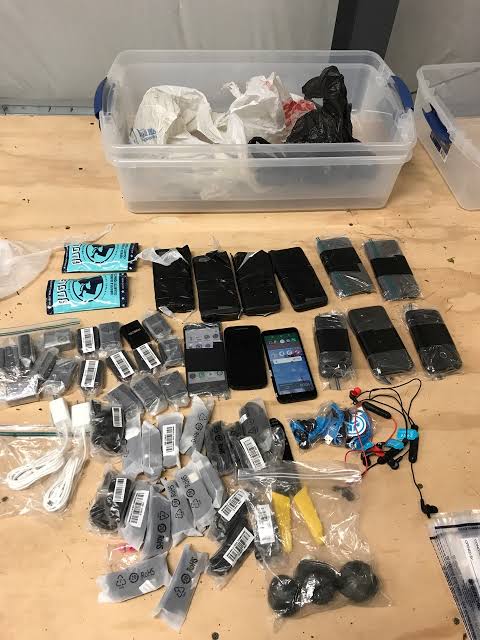
National and state correctional studies estimate that up to 25% (or 1 in 4) of incarcerated individuals have access to or possess a hidden mobile device.
While a standard smartphone costs a few hundred dollars on the outside, inside a prison black market, a smuggled smartphone or newer model iPhone can sell for anywhere from $1,000 to over $6,000, depending on the security level of the facility, the model, and how difficult it is to smuggle in.
Multiplying thousands of active or smuggled units by extreme black market markups means the illicit value of these devices inside the state system reaches tens of millions of dollars at any given time.
Beyond the monetary factors, there is also the safety factor: According to department officials, a mass of anonymous cell phones inside prisons poses a threat to staff members in facilities that are already woefully understaffed.
The System Takes Action
For law enforcement and prison administrators, the viral wave represents a profound crisis. The possession of a cell phone by an inmate is a serious offense in nearly every jurisdiction, as contraband devices can be used to coordinate criminal activity outside the walls, harass victims, or compromise the safety of guards.
Despite aggressive sweeps, cell phone detection technology, and increased penalties for smuggling, the flow of devices has not stopped. Contraband is introduced through highly sophisticated means, including coordinated drone drops over recreation yards and internal corruption from compromised staff members. The high demand from inmates willing to pay thousands of dollars for a single smartphone ensures that the black market remains incredibly lucrative.
However, corrections administrators are seeking to implement newer technology to combat the seeming over-abundance of cell phones inside secure facilities and have successfully urged lawmakers to address prison corruption and the presence of contraband phones by funding signal-jamming technology, Managed Access Systems (MAS), and Carrier Disconnection in order to make prohibited cell phones essentially useless within prison walls.
The absolute shutdown of cellular frequencies—true signal jamming—has been illegal for state and local prisons as a result of the Communications Act of 1934. However, a change is in the works: The Federal Communications Commission (FCC) issued a Third Further Notice of Proposed Rulemaking to authorize non-federal jamming solutions.
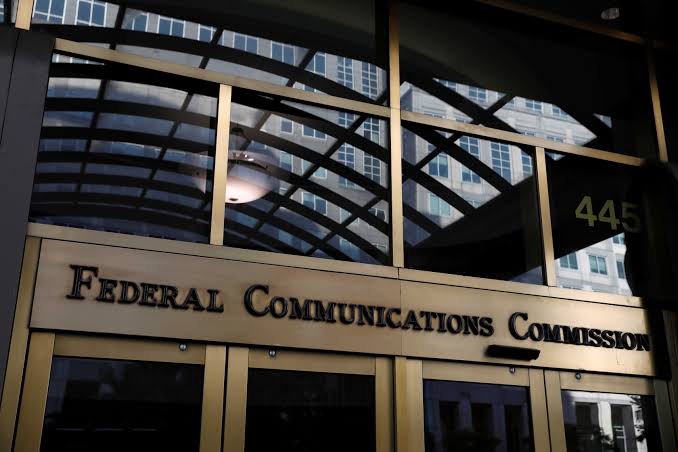
The FCC noted that a final draft of the rule permitting localized jammers could be ready as soon as the end of 2026.
In the meantime, the social media views keep climbing as inmates share a look into their often precarious way of life and eager and interested viewers keep watching.
Check This Out...
-
Ugly Loss: Georgia Bulldogs Players Told To Put Helmets On As They Exited The Field Due To Alabama Fans Throwing Water Bottles, Cans At Team: Fan Appears To Shove Bulldogs Player’s Head: Georgia Fans React On Social Media As SEC Expected To Weigh In
-
Georgia Bulldogs Win In Regular Season At Alabama For First Time Since 2007, Now 6-0: Late Game No-Call On Assumed Penalty Stirs Controversy: Bulldogs Poised For #1 Ranking With Texas Loss
-
Minutes Away From Kickoff At 7:30 P.M.: The #2 Ranked Georgia Bulldogs Travel To Alabama To Face The 6th Ranked Crimson Tide: Both Teams Enter The Celebrated Matchup Undefeated
-
Hurricane Isaias Is Now A Category 3 Hurricane: East Point And Metro Atlanta Impact To Be Felt Later Today, Tomorrow: Flood Watch In Effect, Governor Declares Statewide State Of Emergency: How To Prepare
-
Atlanta Humane Society Announces Dog Adoption Event in Marietta On Saturday, October 10 From 12 P.M. – 3 P.M.