
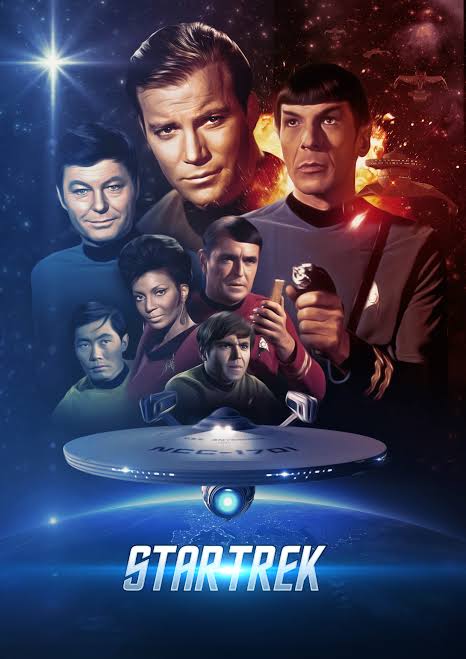
Sixty years ago, a low-budget science fiction television premiere aired on NBC, introducing the world to a logical half-alien, a charismatic starship captain, and a radical vision of a united humanity. On September 8, 1966, Gene Roddenberry’s Star Trek debuted.
In early September, the multi-billion-dollar franchise is marking its diamond 60th anniversary as a towering pillar of global pop culture and real-world scientific inspiration.
Paramount kicked off a massive, year-long celebration culminating on Star Trek Day on September 8, 2026. Far from just a nostalgic look back, the 60th-anniversary activations bridge the gap between fictional exploration and real-world science, emphasizing the franchise’s core philosophy: “Space for Everybody”.
A Global Phenomenon
To celebrate six decades, Paramount Pictures is attempting to enter the history books by breaking a Guinness World Record. On September 8, the Science Museum in London will host a live, free “Star Trek Lates” event. Fans worldwide will join simultaneously—both in person and digitally—to break the record for the “Most People Performing the Vulcan Salute Simultaneously,” honors for the iconic split-finger gesture created by Leonard Nimoy.
Additionally, major travel hubs like London’s King’s Cross St Pancras and South Kensington stations are undergoing full Star Trek takeovers to map out a dedicated four-destination fan trail across the capital. Meanwhile, back in Los Angeles, the Hollywood Walk of Fame will unveil a special revamp and celebration of Gene Roddenberry’s star to honor the late creator’s enduring legacy.
Cultural Impact: Fictional Tech and Fandom Blueprints
Long before Silicon Valley reshaped the 21st century, engineers were taking notes from the bridge of the USS Enterprise. The franchise’s cultural footprint is uniquely tangible, directly inspiring everyday technologies that once seemed like impossible magic.
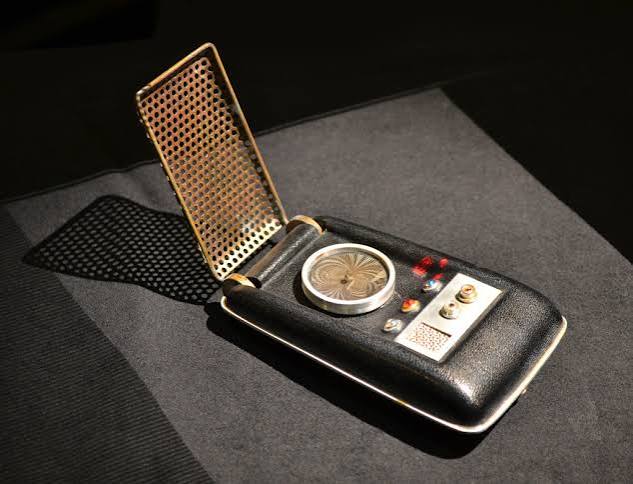
The Tools of Today: The handheld Communicator laid the literal blueprint for the modern flip cellphone. Portable Data Access Devices (PADDs) predicted tablet computers like the iPad, while universal translators and the medical Tricorder foreshadowed real-time AI translation and non-invasive diagnostic scanners.
The Invention of “The Fan”: Star Trek birthed modern fandom. It was Trek viewers who pioneered the concept of “fanzines,” organized the first massive sci-fi conventions, and created the archetype of the highly organized, fiercely loyal fanbase that governs modern pop culture today.
Racial Impact: Pushing the Final Frontier of Civil Rights
Airing at the height of the American Civil Rights Movement and the Cold War, Star Trek used the safety of its sci-fi setting to execute a quiet social revolution. Its bridge was a radical declaration: a future where humanity’s fractures had healed.
A Bridge United: Roddenberry assembled a multinational, multiracial crew working as absolute equals—featuring a Black woman (Nichelle Nichols as Uhura), a Japanese man (George Takei as Sulu), and a Russian man (Walter Koenig as Chekov).
The MLK Intervention: In 1967, facing institutional racism, Nichols prepared to leave the show for Broadway. She was stopped by Dr. Martin Luther King Jr., a self-proclaimed fan, who personally persuaded her to stay. He argued that her role was the only non-stereotypical depiction of a Black person on television and a vital beacon of hope.
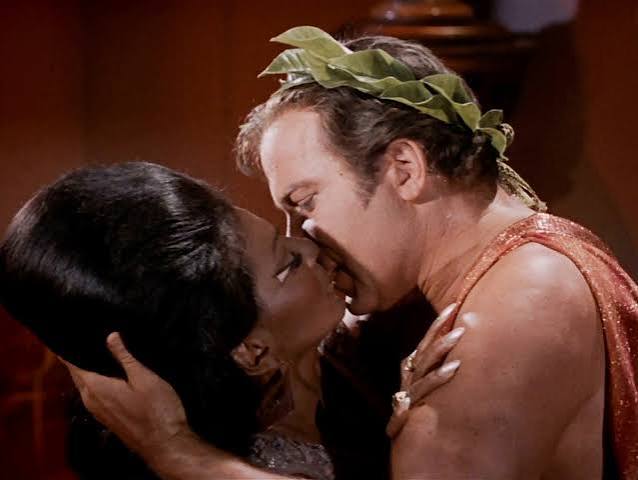
Breaking TV Barriers: In 1968, the series broadcasted one of American television’s first interracial kisses between Captain Kirk and Lieutenant Uhura. Decades later, Nichols used her platform to launch a recruitment campaign with NASA, successfully bringing America’s first female and minority astronauts—including Sally Ride and Mae Jemison—into the real space program.
Television Impact: Redefining How Stories are Told
The television landscape of 1966 was dominated by procedural westerns and predictable sitcoms. Star Trek fractured that mold, proving that television could be both intellectually rigorous and immensely profitable.
The Trojan Horse of Allegory: The writers used alien worlds to bypass strict network censorship, safely and cleverly critiquing heavy contemporary issues like the Vietnam War, class warfare, and systemic prejudice.
The Syndication Revolution: Cancelled by NBC after three seasons due to low traditional ratings, the show found a second, massive life in rerun syndication. This unexpected boom rewrote the financial rules of Hollywood, proving that a dead show could become a goldmine and setting the stage for Star Trek: The Next Generation to bypass networks entirely via first-run syndication.
The Modern Franchise Model: Long before Marvel or Star Wars built sprawling cinematic universes, Star Trek proved a single IP could successfully sustain multiple concurrent television series, film franchises, and merchandise empires across generations.
The Evolution of Hope
What started as a single canceled television show has expanded into an entire universe. Over sixty years, Star Trek has spawned:
13 Feature Films spanning multiple timelines.
12 Television Series including the foundational Original Series, The Next Generation, Discovery, and Strange New Worlds.
Multiple Upcoming Projects including a highly anticipated second season of Starfleet Academy, which will headline a massive anniversary panel at New York Comic Con this autumn.
“Star Trek has always been about more than just laser beams and starships,” remarked actor Wilson Cruz at the recent STLV convention. “It influences how we view our responsibility toward one another. It’s a franchise that values the absolute inclusion of everyone.”
Real-World Science and Merchandise
The 60th anniversary has also brought an influx of massive brand partnerships. Paramount has partnered with the LEGO Group for commemorative building sets, launched digital comic experiences on WEBTOON, and organized an official Star Trek: The Cruise featuring franchise icons William Shatner and Walter Koenig.
More profoundly, the franchise is executing its “Boldly Go Green” environmental sustainability initiative alongside collaborative events taking place directly with space exploration organizations, including activations onboard the International Space Station (ISS).
As the world faces contemporary fractures, Star Trek’s enduring message remains as vital as it was in 1966. It asserts that humanity will not only survive its infancy but will actively choose a future rooted in cooperation, curiosity, and hope. Six decades later, the message remains clear: the human adventure is just beginning.
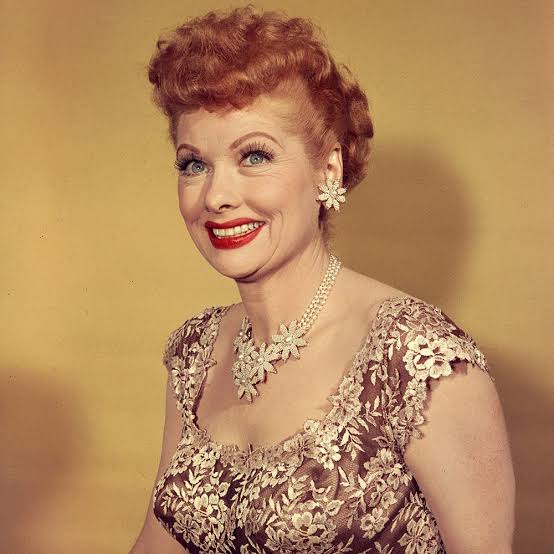
The Lucille Ball Connection:
As head of Desilu Studios, legendary comedic actress and visionary businesswoman Lucille Ball was the executive decision-maker who greenlit the series in the early 1960s.
Take a look back as the Star Trek crew “ventures back” into the 1960s–when the show was launched.
Check This Out...
-
90s-2000s R&B Fans Are In For A Treat: A New Verzuz Battle Featuring Carl Thomas Vs. Case: Thursday, October 22 At 9:00 P.M.
-
The East Point News Rewind: The Dynamic Superiors Made History And Dazzled Audiences In The 1970s With Hit Songs–And A Lead Singer Who Wore Make-Up And Occasionally Performed In Drag
-
The East Point News Offers A New Feature To Readers: The East Point News REWIND. It Offers A Look At Unique Music And Entertainment Figures Who Quietly Impacted Both Entertainment And Culture
-
Legendary R&B And Soul Singer Freddie Jackson Dies, Shocking Longtime Fans: Jackson Turned 70 Years Old This Past Friday, Performed In Atlanta Two Weeks Ago
-
Actor And Comedian Reggie McFadden Dies At 57: McFadden Worked On “In Living Color”, “Def Comedy Jam” And More