
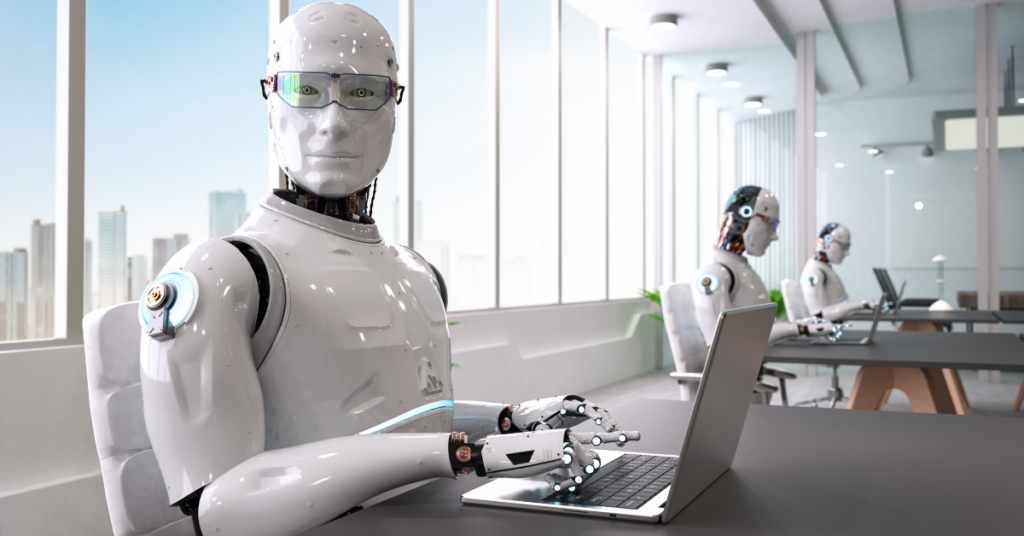
The era of the conversational chatbot is drawing to a close. As the novelty of typing queries into a text box fades, scientists, policymakers, and industry titans are all racing to answer a singular, high-stakes question: what is the immediate future of AI?
The answer is unfolding not as a distant science-fiction scenario, but as a rapid architectural shift. Over the next 24 to 36 months, Artificial Intelligence will transition from a passive tool into an active, invisible layer of autonomous infrastructure. This transformation will fundamentally reshape the global economy, rewrite the rules of social interaction, and test the very bedrock of human society.
The Rise of the Agent
In the immediate term, the biggest technological leap will be the rise of autonomous AI agents. Unlike current software that requires constant step-by-step human prompts, these next-generation systems operate independently across complex, multi-step workflows.
In corporate environments, these agents are already beginning to manage corporate schedules, negotiate routine vendor contracts, and execute sophisticated data analysis with minimal human oversight. They do not just generate answers; they take actions.
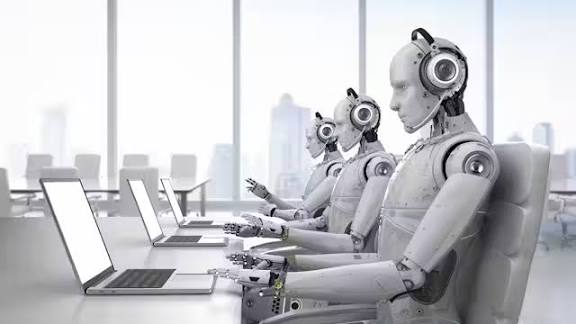
This cognitive leap is powered by two immediate breakthroughs: true multimodal processing and synthetic data generation. Modern AI systems no longer analyze text, audio, and video in separate silos. Instead, they process these inputs simultaneously, allowing machines to perceive human emotion and physical environments with unprecedented nuance. Furthermore, to bypass the legal and physical limits of human-generated text, developers are increasingly relying on synthetic data. This artificially generated information allows models to train themselves within simulated environments, rapidly accelerating breakthroughs in physics and medicine.
The Erosion of Friction in Human Connection
As these systems become more perceptive, their most intimate disruption is occurring not in the workplace, but in how humans relate to one another. The boundary between authentic human interaction and synthetic companionship is rapidly blurring.
With AI capable of real-time voice modulation, emotional tracking, and hyper-personalized long-term memory, a growing segment of the population is turning to artificial entities for emotional support. Experts warn this could fundamentally alter human social skills. When a flawless, algorithmic partner offers endless patience and zero conflict, navigating the messy, unpredictable friction of real human relationships may become unappealing to many.

Simultaneously, AI is embedding itself as a permanent mediator in daily communication. From smart replies that auto-generate text messages to real-time tone adjusters in corporate emails, humans are increasingly speaking to one another through algorithmic filters. While this optimization reduces social awkwardness, it risks homogenizing human expression—leaving society to wonder if they are interacting with a person, or simply their optimized AI proxy.
A Fractured Societal Bedrock
On a broader societal scale, the proliferation of hyper-realistic generative AI is actively dismantling our shared objective reality. The democratization of deepfake video, cloned audio, and automated text generation means the cost of creating highly convincing misinformation has dropped to near zero.
Sociologists warn of an immediate state of “epistemic fragmentation”—where citizens can no longer agree on basic, verifiable facts. When any piece of evidence can be easily dismissed as an AI fabrication, public trust in democratic institutions, journalism, and the legal system erodes. This trust deficit creates a severe paradox: as machines become more intelligent, human society risks becoming more cynical and deeply polarized.
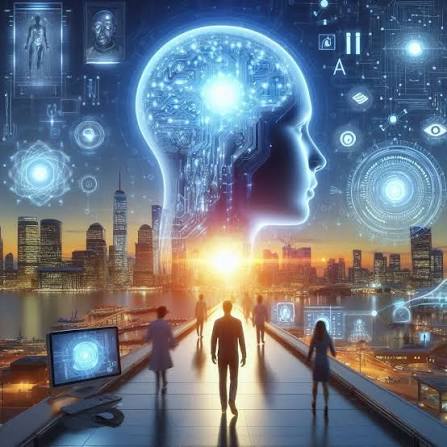
Furthermore, AI threatens to immediately exacerbate global inequality. The massive capital, computational power, and energy required to build and maintain advanced AI systems are heavily concentrated within a handful of multinational tech conglomerates and wealthy nations. This concentration risks leaving developing economies behind, transforming AI from a universal equalizer into a tool that consolidates global wealth and geopolitical influence.
The Workplace Restructuring
As AI takes on operational execution, the global labor market is facing a profound reorganization. Data from the World Economic Forum suggests that while automation could displace roughly 92 million traditional roles by 2030, it is on track to create 170 million new ones.
However, the nature of entry-level work is transforming today. With machines handling routine coding, drafting, and administrative tasks, the premium on human labor has shifted toward context, ethics, and strategic oversight.
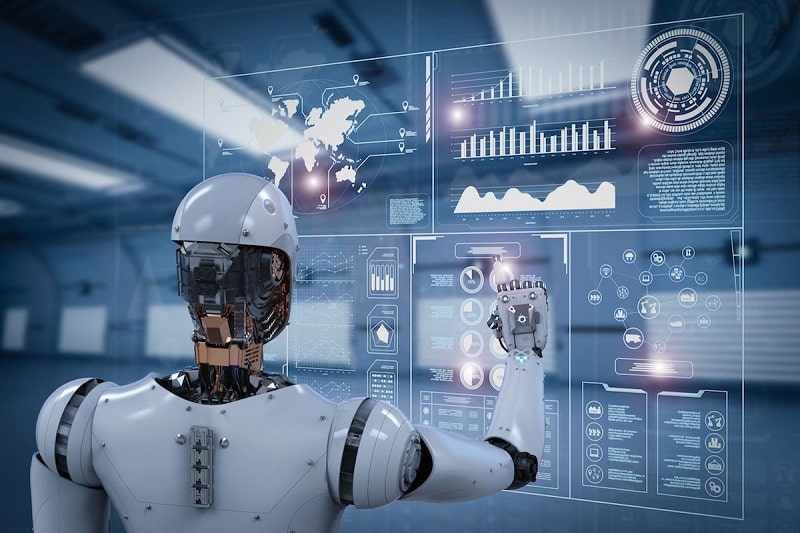
“The challenge for modern enterprises is no longer about speed; it is about judgment,” says Dr. Aris Thorne, an industrial economist. “If entry-level workers spend their days merely reviewing machine output rather than building solutions from scratch, companies must find new ways to cultivate real-world business acumen and critical thinking.”
Should industries successfully navigate this transition, the economic rewards are staggering. Advanced automation is projected to inject an additional $13 trillion into global economic activity by the end of the decade.
Automation Moves Into the Physical World
Beyond the desktop, AI is rapidly scaling into physical hardware. The integration of advanced models with edge computing is breathing new life into smart city grids, precision agricultural drones, and fully automated supply chains.
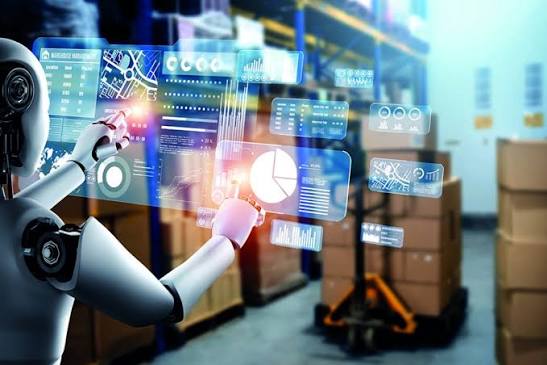
In healthcare, this manifests as hyper-personalized medicine. Instead of broad-spectrum treatments, AI systems are analyzing individual genetic codes to design specific cancer therapies and predict chronic illnesses years before symptoms appear. In classrooms, adaptive AI tutors are beginning to dismantle the factory model of schooling, tailoring entire curricula to the specific learning speeds and psychological needs of individual students.
The Cost of Progress
This rapid acceleration does not come without severe friction. The infrastructure required to power this immediate future is placing an unprecedented strain on natural resources. Massive data centers are facing intense regulatory scrutiny and local community opposition over their immense energy and water consumption, sparking a quiet crisis in utility management.
Simultaneously, global policymakers are moving past fears of sci-fi scenarios to confront immediate systemic risks. The primary concern among security officials is how AI acts as a force multiplier for existing threats—dramatically lowering the technical barrier to entry for devastating cybersecurity attacks and hyper-realistic misinformation campaigns.
The immediate future of AI is not a distant destination; it is an active restructuring of the present. As the boundary between digital intelligence and physical reality continues to blur, the ultimate challenge will not be teaching machines how to think, but managing what happens when they do.
Check This Out...
-
U.S. Companies Turn To AI As American Consumers Voice Complaints Over Outsourced Foreign Customer Service–But Consumers Don’t Like Phone Bots Either
-
AI Skeptics Say The Technology Could Kill Humans: How And Why They Believe It Could Happen
-
NASA Readies Sunday Launch Of Historic Nancy Grace Roman Space Telescope: Powerful Lens Will Allow View Of Billions Of Galaxies, Dark Universe In Record Time
-
Meta Agrees To Settle For $17.1 Billion: But What Does The Settlement Mean, What It Changes–And Who Gets The Money?
-
Getting That YouTube Bag: Who Are The Highest Paid YouTubers, And How Much Money Are They Making?