
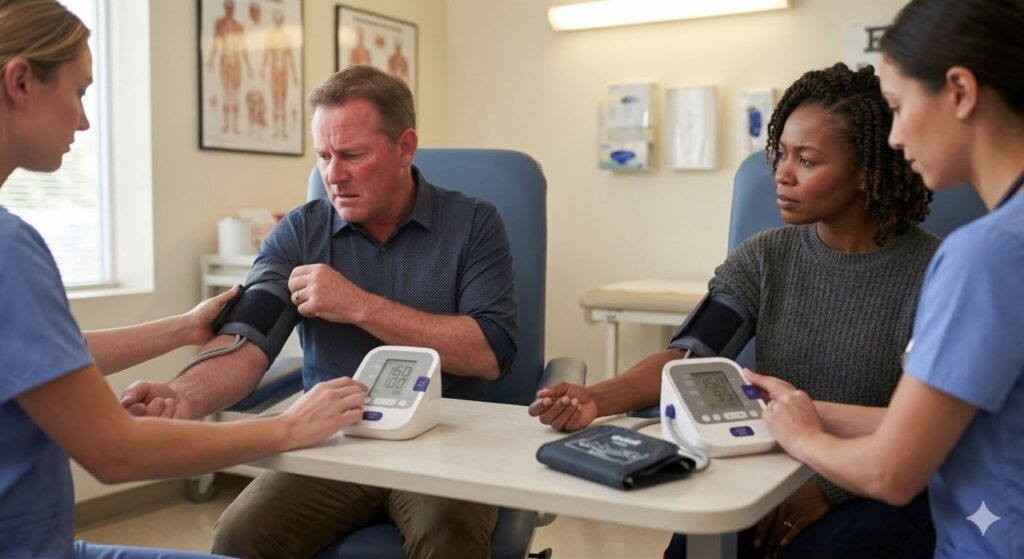
High blood pressure is called the “silent killer” because it typically presents no obvious symptoms while quietly causing irreversible, life-threatening damage to your vital organs. Nearly half of all adults in the United States live with hypertension, and millions are completely unaware that their circulatory system is under constant, dangerous stress. Left unmanaged, this condition is a leading driver of heart attacks, strokes, and kidney failure.
Globally, an estimated 1.4 billion adults aged 30–79 have high blood pressure (hypertension). In the United States, nearly half of adults (48.1%)—or about 119.9 million people—live with high blood pressure, though only about 25% of these cases are adequately controlled.
Prevalence is higher among men (50%) than women (42.1%). By race, it affects 59.6% of non-Hispanic Black adults, 44.9% of Hispanic adults, 44.8% of non-Hispanic White adults, and 42.7% of non-Hispanic Asian adults. [1]
Here is a breakdown of why this condition is so dangerous, how you can accurately detect it, and the medical and lifestyle steps used to treat it.
Why It’s Called the “Silent Killer”
The primary danger of high blood pressure lies in its ability to hide in plain sight.
Symptomless Progression: You cannot feel your blood pressure rising. A person can live with severe hypertension for years without experiencing headaches, dizziness, or any external warning signs.
Vessel Demolition: The continuous, excessive force of blood pushing against your artery walls creates microscopic tears in the delicate vascular lining.
Atherosclerosis Acceleration: Plaque builds up in these damaged arterial walls, narrowing the pathways and forcing your heart to pump significantly harder.
Severe Complications: Over time, this stealthy process weakens major organ systems, resulting in sudden strokes, heart failure, aneurysms, vision loss, and dementia.
How to Detect It
Because you cannot rely on physical symptoms, regular and accurate measurement is the only definitive way to detect hypertension. Blood pressure readings consist of two numbers measured in millimeters of mercury (mm Hg): systolic (the top number, measuring pressure during a heartbeat) and diastolic (the bottom number, measuring pressure between beats).
Blood Pressure Categories
According to standard healthcare guidelines from organizations like the American Heart Association, readings fall into four categories:
- Normal: Less than 120 / less than 80 mm Hg.
- Elevated: 120–129 / less than 80 mm Hg.
- Stage 1 Hypertension: 130–139 / or 80–89 mm Hg.
- Stage 2 Hypertension: 140 or higher / or 90 or higher mm Hg.
Screening Best Practices
- Get Professional Screenings: Ensure your blood pressure is logged at every routine checkup with a primary care doctor.
- Use Home Monitors: Utilize an automated, validated upper-arm cuff monitor to track readings in a comfortable environment, which helps eliminate “white coat syndrome” (anxiety-induced high readings at the clinic).
- Avoid Triggers Before Testing: Sit quietly for five minutes before taking a reading. Avoid caffeine, exercise, and tobacco products for at least 30 minutes prior to measurement.
How to Treat It
Managing high blood pressure requires a multi-pronged approach combining proactive lifestyle changes and, when necessary, prescription medical care.
1. Dietary Adjustments
- Reduce Sodium: Limit your salt intake by cutting back on processed, packaged, and restaurant foods, which are hidden sources of sodium.
- Adopt the DASH Diet: Follow the Dietary Approaches to Stop Hypertension (DASH) eating plan by prioritizing fruits, vegetables, whole grains, and lean, low-fat proteins.
2. Lifestyle Modifications
- Engage in Cardiovascular Exercise: Aim for at least 150 minutes of moderate-intensity aerobic exercise, like brisk walking or cycling, every week.
- Maintain a Healthy Weight: Losing even a small amount of excess body weight directly reduces the workload on your cardiovascular system.
- Eliminate Smoking and Alcohol: Quit smoking to stop immediate arterial damage, and strictly limit alcohol consumption to moderate levels.
- Optimize Sleep: Treat underlying sleep disorders like obstructive sleep apnea, which is a major, hidden cause of secondary hypertension.
3. Medical Treatments
If lifestyle habits alone do not bring your numbers into a safe range, your physician may prescribe daily antihypertensive medications. These work in various ways, such as relaxing your blood vessels (ACE inhibitors and calcium channel blockers) or helping your body flush out excess fluid and salt (diuretics). Take these medications exactly as prescribed, even when you feel perfectly healthy.
Check This Out...
-
Pennsylvania Measles Outbreak Surpasses 1,000 Cases In Nation’s Worst Surge In 35 Years
-
Flu Season Starts This Month: Health Experts Advise Early Vaccination Amid Flu, RSV, And Covid-19 Risk
-
Razor Bumps And Ingrown Hairs: How To Quickly Treat And Get Rid Of Them
-
September Is Prostate Cancer Awareness Month: What It Is, What The Signs Are, And Who Is At Highest Risk From It
-
Food Warning: Great Value, GreenWise Frozen Berries Recalled