
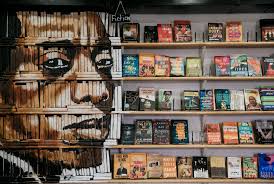
The Black-owned bookstore has played a significant but often understated role in Black American life since the first store catering to Blacks was opened by David Ruggles, a Black abolitionist, in New York City in 1834. Ruggles used his space to propagate his anti-slavery efforts and would go on to help hundreds of enslaved Black people escape slavery.
Since Ruggles opened his store, the Black bookstore has gone on to become a cultural touchstone where Black and other readers could come to learn about Black literature and Black culture and history as well as potentially meeting new faces and networking.
Following the 1960s civil rights struggles and the push to embrace Black Identity and Black Pride, Black-themed bookstores exploded in popularity, growing from around a dozen to nearly 100 between 1965 and 1979. By 2014, however, that number had dwindled down to 54.
But the push for social justice and activism renewed interest in the Black bookstore, which has served as a meeting place for everything from spoken word poetry to political planning sessions. Today, there are more than 300 Black-owned bookstores across the country, with several continuing to operate in the Atlanta area alone.
And a focus on socializing and re-imagining what the stores offer and present may be the key to ensuring many of these merchants survive, according to industry analysis. That’s because a financial overview of Black bookstores nationwide offers a mixed view of the industry’s financial stability.
Indeed, even as the sheer number of stores has increased, the financial picture has grown uncertain.
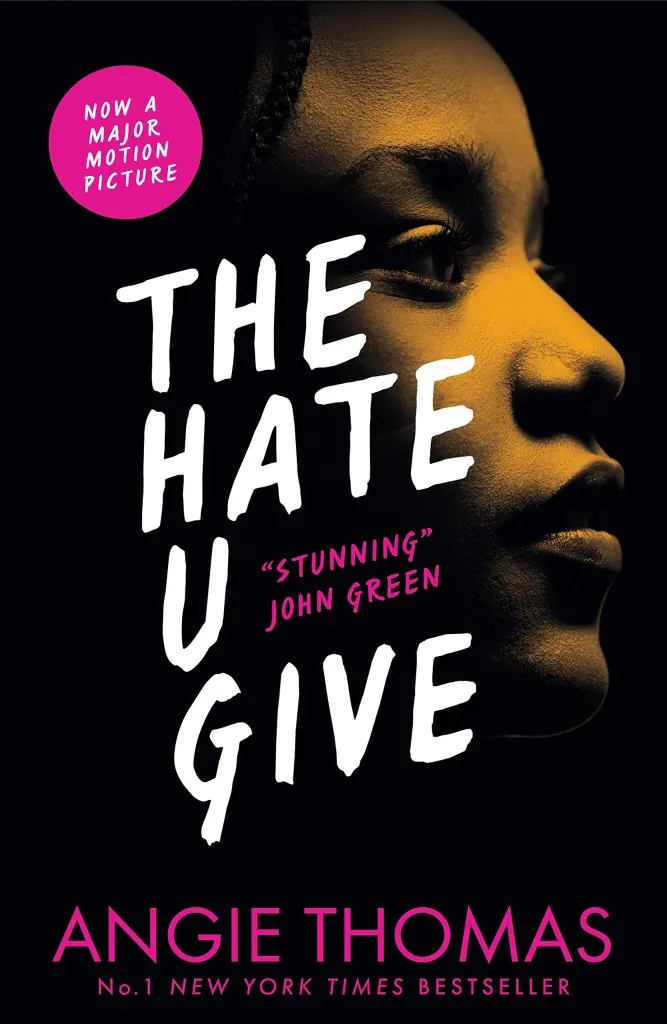
According to the “State of the Black Bookstore” report, which was issued by The National Association of Black Bookstores (NAB), 90% of Black-owned book stores report annual revenue under $250,000.
36% operate without a permanent brick-and-mortar location.
14 states have no Black-owned bookstore at all, and sales of books by Black authors declined 14% even as overall print sales slightly rose.
Black-owned bookstores represent about 8% of independent bookstores— even though only 4% of the publishing workforce identifies as Black.
While many mainstream booksellers have gone exclusively online, and even some Black-owned stores have as well, revenue is a major factor that not only presents a challenge for the people who are trying to keep their retail stores afloat financially, but also alters the financial picture for many Black writers and authors who depend on Black stores to help keep their titles alive and preserved, and to introduce them to audiences.
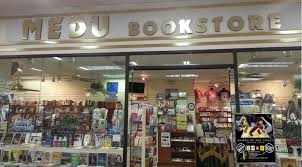
The right wing effort to ban some literature, such as the widely reported effort in Florida by that state’s governor Ron Deseantis, has also impacted Black literature as even a book written by the late baseball legend Hank Aaron came under scrutiny in the state.
Many Black booksellers agree: Ensuring that the Black Bookstore continues to serve as a vital meeting place and maintains its relevance to its customers and its community and will be vital to ensuring the industry is here for future generations.
Check This Out...
-
Around 10,000 Children Are In Need Of A Loving, Safe Home In Georgia: Here’s How You Can Become A Foster Parent Or Adopt A Child
-
Happening Today: Hip Hop Icons And East Point Legends Outkast Launch Merch With Waffle House, Host Collab Drop At Centennial Olympic Park Restaurant At 11 A.M.
-
PINK RIBBONS AND PERSONAL JOURNEYS: OCTOBER MARKS GLOBAL BREAST CANCER AWARENESS MONTH
-
The Taste Of Survival: Chitterlings Came Out Of Necessity But Managed To Become A Soul Food Delicacy: The Story Of The “Chitlin” Plate–And Who Still Eats Them Today
-
Hispanic Heritage Months Begins This Week: Events And Celebrations Run From September 15 To October 15: South Fulton Features “México en el Corazón” Tour At Wolf Creek Sunday + More