
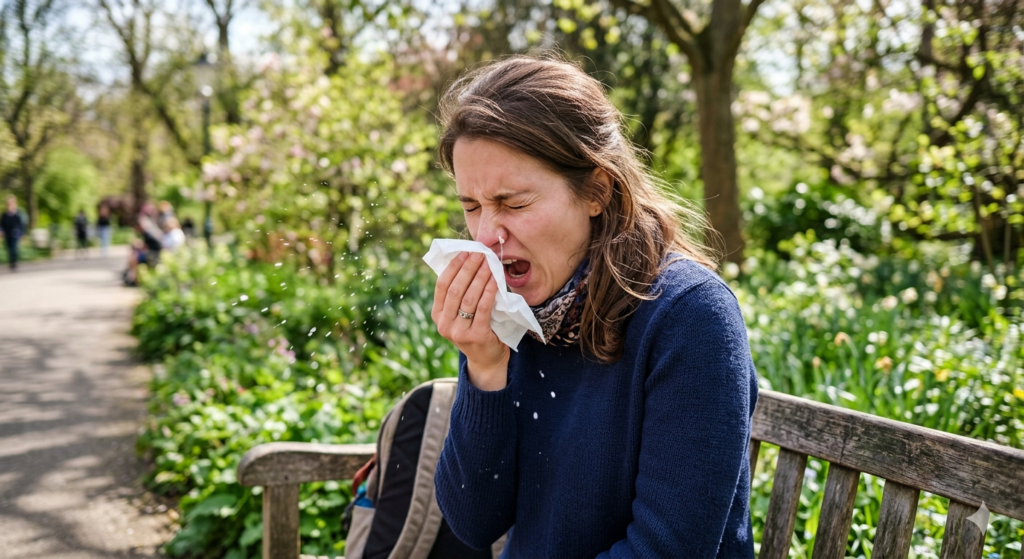
As the end of April approaches, many folks in East Point and the metro Atlanta area are struggling with runny noses, coughing, congestion, and headaches brought on by allergies which are themselves caused by pollen and other plant-based irritants.
Often, that runny and stuffed nose, if left untreated, can develop into nasty sinus infections so it’s important to know what to do to keep your sinuses clear and your breathing easier.
Allergy Season officially runs from late Feberuary to May and even though we are nearing May, for many of us, getting there is a struggle all its own.
But just as with most illnesses, prevention beats any cure so the most effective way to manage allergies is to minimize exposure to triggers. Try to stay away from the particles that irritate you, if possible. If that isn’t possible then take these additional steps to keep yourself healthy:
Monitor pollen counts. Check local forecasts and stay indoors during peak times, typically between 5:00 am and 10:00 am or on dry, windy days.
Maintain your living space. Keep windows closed and use air conditioners or HEPA air purifiers to filter out dander and pollen.
Post-outdoor hygiene is a must during pollen season. After spending time outside, shower and change your clothes to prevent tracking allergens into your home.
Many people find relief through non-pharmacological methods that clear irritants from the body. Saline nasal irrigation may be an option for you. Using a neti pot or saline spray can flush out mucus and allergens from nasal passages. Always use distilled or sterilized water to avoid infection. Use with care.
Some people have reported dietary supplements as a helpful tool to fight pollen irritation and some evidence suggests that quercetin (found in onions and apples) and butterbur can act as natural antihistamines.
Wearing protective gear is also helpful and donning an N95 mask while doing outdoor chores like mowing the lawn can significantly reduce the inhalation of pollen.
When natural methods aren’t enough, several over-the-counter (OTC) and prescription options are available such as intranasal steroid sprays like fluticasone (Flonase) as a first-line treatment to reduce inflammation directly at the source.
Oral antihistamines such as loratadine (Claritin) or cetirizine (Zyrtec) provide quick relief for sneezing and itching.
There are also immunotherapy options. For long-term relief, allergy shots “train” the immune system to become less reactive to specific allergens.
A note of caution: Consult a doctor if practical before using over the counter products and be sure to research whether such products interfere with any medication you are presently taking for another condition.
As with so many other aspects of life today, AI (Artificial Intelligence) is beginning to revolutionize how we handle allergies. AI-powered tools can now analyze medical records with high accuracy to improve diagnoses and predict disease flares. Additionally, portable AI-driven monitors provide real-time, hyperlocal pollen data, allowing for more proactive symptom management.
For severe symptoms or signs of anaphylaxis (such as difficulty breathing), seek emergency medical attention immediately.
Check This Out...
-
Pennsylvania Measles Outbreak Surpasses 1,000 Cases In Nation’s Worst Surge In 35 Years
-
Flu Season Starts This Month: Health Experts Advise Early Vaccination Amid Flu, RSV, And Covid-19 Risk
-
Razor Bumps And Ingrown Hairs: How To Quickly Treat And Get Rid Of Them
-
September Is Prostate Cancer Awareness Month: What It Is, What The Signs Are, And Who Is At Highest Risk From It
-
Food Warning: Great Value, GreenWise Frozen Berries Recalled