
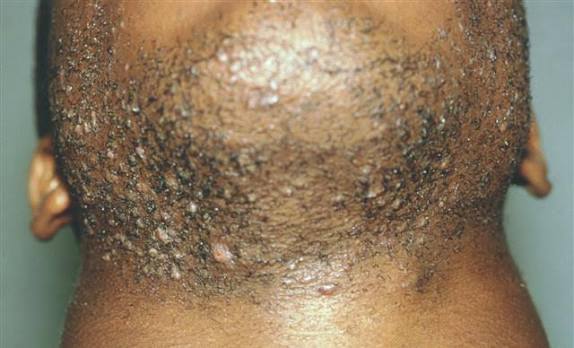
The battle against razor bumps and itchy, ingrown hairs is a daily struggle for millions of men, but dermatologists say a few simple tweaks to your morning routine can clear your skin completely.
For many, a clean shave comes with a painful price. Just hours after running a razor across their skin, a flare-up of red, itchy, and sometimes painful bumps appears. Known medically as pseudofolliculitis barbae, razor bumps are a chronic frustration.
Fortunately, skincare experts say you do not have to choose between a smooth shave and irritated skin. By understanding why these bumps form and shifting your shaving strategy, you can heal existing irritation and stop future breakouts entirely.
The Anatomy of a Bump
Razor bumps are not a standard acne breakout or a simple rash. They are actually a form of ingrown hair.
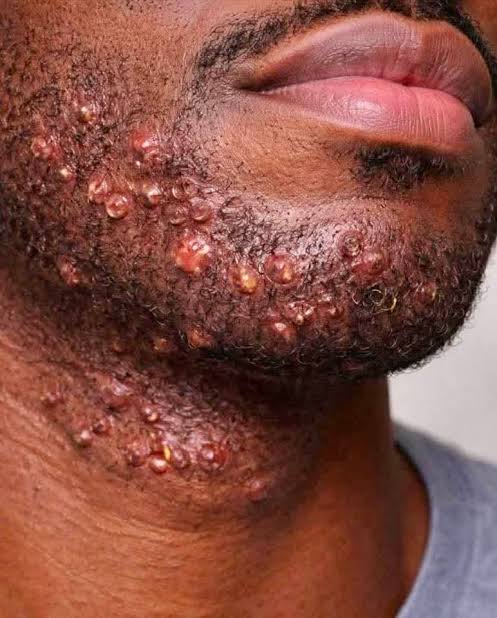
When hair—particularly hair that is naturally coarse, curly, or thick—is cut too close to the skin, the sharp tip curves backward as it grows. Instead of exiting the follicle straight up, it pierces the surrounding tissue and grows back underneath the surface. The body treats this trapped hair as a foreign object, triggering an immune response that causes localized inflammation, redness, and swelling.
While anyone can suffer from razor bumps, they are exceptionally common among individuals with curly or tightly coiled hair textures.
A Problem Over 80% Of Black Men Endure
For Black men, the daily shave is often a medical battlefield. Dermatologists explain why coarse, curly hair causes chronic irritation—and how specialized routines can completely clear the skin.
For a significant majority of Black men, a clean shave comes with a painful, unsightly consequence. Just hours after running a razor across the face or neck, a painful flare-up of firm, itchy, and sometimes dark bumps appears.
Known medically as pseudofolliculitis barbae (PFB), razor bumps are a chronic condition that affects up to 80% of Black men. Fortunately, dermatologists and grooming experts agree that you do not have to choose between a smooth look and healthy skin. By altering your tools and technique to match your specific hair texture, you can eradicate razor bumps entirely.
Razor bumps are not a standard acne breakout. They are a genetic response to the structure of the hair itself.
The hair follicles of Black men are naturally curved, producing tightly coiled, coarse hair. When a multi-blade razor slices these curved hairs, it cuts them at a sharp angle beneath the surface of the skin. As the hair grows back, its natural curl forces the razor-sharp tip to bend sideways or backward, piercing the inner wall of the hair follicle or the surrounding skin.
The body treats this trapped hair as a foreign object, triggering an immune response. This leads to painful inflammation, pus-filled bumps, and eventually, hyperpigmentation (dark spots) or permanent keloidal scarring.
Defusing the Flare-Up: How to Heal Current Bumps
If you are currently dealing with a breakout, experts agree that your immediate priority should be soothing the skin and allowing the trapped hair to break free.
Implement a Shaving Freeze: Step away from the razor immediately. Shaving over active, inflamed bumps slices them open, introduces harmful bacteria, worsens the inflammation, and drastically increases the risk of permanent scarring or dark spots. Let the hair grow out for a few days to a week.
Deploy Warm Compresses: Soak a clean washcloth in warm water and press it gently against the affected area for a couple of minutes. The hot water opens the pores and the warmth also moisturizes and softens the skin, helping the trapped hair migrate toward the surface.
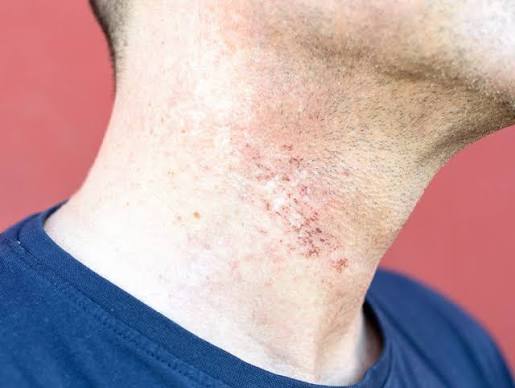
After-Shave: Immediately apply a preferably gentle after shave over the entire shaved area. Follow that up with a cold, we rag over the face to seal the pores of the skin.
Enlist Chemical Exfoliants: As an adopted routine, rather than scrubbing the skin raw with harsh physical beads, apply a daily topical solution containing salicylic acid (BHA) or glycolic acid (AHA). These ingredients chemically dissolve dead skin cells and clear the follicle opening so the hair can escape naturally.
Soothe and Disinfect: Apply natural anti-inflammatories like pure aloe vera gel or a few drops of diluted tea tree oil mixed with a carrier oil to neutralize bacteria and calm redness.
Put Down the Tweezers: Never pick, squeeze, or aggressively pluck the hair out from the root, which can cause deeper infection. If a hair loop is clearly visible above the skin, you can use a sterile needle to gently lift the trapped tip out.
The Prevention Protocol: Changing Your Routine
Stopping razor bumps before they start requires a fundamental shift in how you shave. Dermatologists recommend a strict, five-step protocol:
| Shaving Phase | Action Plan | The Science Behind It |
|---|---|---|
| 1. The Prep | Shave at the end of a warm shower, or apply a warm towel for 3–5 minutes. Gently massage the skin with a washcloth. | Warm water makes hair significantly more elastic and easier to cut. Soft exfoliation lifts away dead skin blocking the hair path. |
| 2. The Lubrication | Apply a thick, moisturizing shaving cream or high-glide gel. Let it sit on the skin for one full minute before cutting. | This creates a protective barrier, reducing friction and preventing the razor from tugging uncomfortably at the skin. |
| 3. The Tool | Switch to a single-blade razor or a specialized electric trimmer. Discard disposable blades after 3 to 5 uses. | Multi-blade razors pull and cut hair below the skin surface, causing ingrowns. Dull blades tear the hair instead of slicing it cleanly. |
| 4. The Technique | Shave strictly with the grain (the direction the hair grows) using short, light strokes. Do not pull the skin taut. | Shaving against the grain sharpens the hair tip at an angle, making it easily pierce back into the skin follicle. |
| 5. The Aftercare | Rinse with warm water, splash with cold water, pat dry, and apply an alcohol-free, hydrating post-shave balm or oil. | Cold water calms the skin, while alcohol-free moisturizers restore the skin barrier without drying it out or irritating it. |
Additional Products That May Offer Healing From Razor Bumps
- Shea butter
- Coca butter
- Coconut oil
- Jojoba oil
- Olive oil
- Grape Seed oil
- Sweet Almond oil
- Kukui Nut oil
- Rose Hip Seed oil
- Rosemary, Sage, Lavender, and Tea Tree essential oils
Check This Out...
-
Pennsylvania Measles Outbreak Surpasses 1,000 Cases In Nation’s Worst Surge In 35 Years
-
Flu Season Starts This Month: Health Experts Advise Early Vaccination Amid Flu, RSV, And Covid-19 Risk
-
September Is Prostate Cancer Awareness Month: What It Is, What The Signs Are, And Who Is At Highest Risk From It
-
Food Warning: Great Value, GreenWise Frozen Berries Recalled
-
Halloween Candy Recalled In 13 States–Including Georgia