
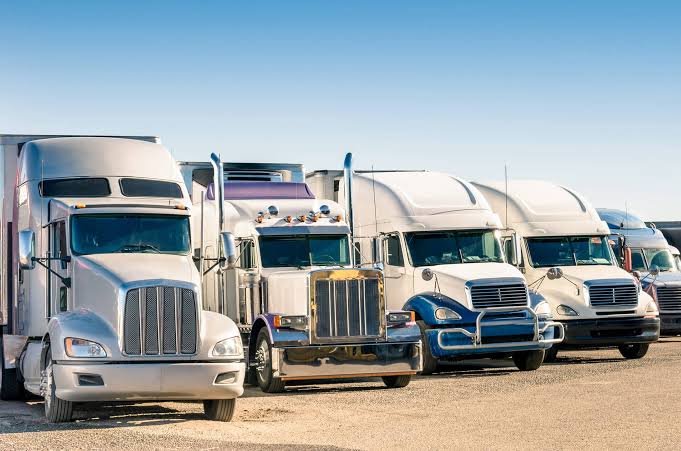
A viral social media tempest that threatened to grind America’s freight network to a halt today has exposed the growing friction between skyrocketing global energy costs and the volatile power of internet algorithms.
The nationwide panic, which warned consumers to stock grocery shelves ahead of an October 1 “trucker shutdown,” began as a series of grassroots videos on TikTok and Instagram in mid-September. Driven by independent operators venting about soaring overhead costs, the posts quickly metastasized into an online movement.
The narrative gained its largest boost from a popular trucking influencer known online as “The Disrespected Trucker,” who commands an audience of over 670,000 on the social platform X. When he announced intentions to park his own rig from October 1 to October 4 in protest of crushing fuel prices, some on the Internet treated the personal boycott as a declaration of a unified national strike.
I'm just one guy standing up for what he believes in. https://t.co/M9I58Gr3FX
— The Disrespected Trucker (@DisrespectedThe) October 1, 2026
While industry insiders knew a coordinated strike was legally impossible—federal antitrust laws explicitly prohibit independent owner-operators from colluding to withhold services—the sheer velocity of the online rumor triggered widespread public anxiety.
The anxiety, however, was born from a very real economic crisis. Diesel fuel prices have surged to historic national averages between $6.47 and $6.57 per gallon, fueled by severe energy market disruptions stemming from recent military conflicts involving Iran. In states like California, prices at the pump have cleared the $8.00 mark, leaving independent drivers with impossible financial margins.
With a catastrophic supply chain collapse averted today, logistics experts say the industry is transitioning into a period of localized, quiet attrition. Major corporate fleets possess the fuel surcharges needed to withstand the price spike, meaning retail and grocery deliveries will continue to arrive mostly on schedule.
Yet, for small-business truckers, the crisis is far from over. Rather than a striking mob, the industry is witnessing a silent parking protest. Thousands of independent drivers are simply leaving their engines off at truck stops across major shipping corridors, waiting for contract rates to rise or fuel prices to fall because driving has simply become too expensive.
In response, state and federal governments are racing to implement a patchwork of emergency relief measures to drive fuel costs down before the capacity crunch deepens.
The U.S. Department of Transportation has kept extended hours-of-service waivers active for fuel haulers to accelerate domestic distribution. Locally, states are taking aggressive fiscal measures; Georgia Governor Brian Kemp recently suspended the state fuel tax to slice roughly 37 cents off diesel costs, while Texas and Nebraska have relaxed restrictions to allow commercial haulers to utilize cheaper, off-road dyed diesel.
As Washington weighs a potential temporary ban on American diesel exports to artificially inflate domestic supply, experts warn that the ultimate trajectory of the crisis will be decided not on social media, but by the volatile global energy markets in the weeks ahead.
Check This Out...
-
Six Charlotte Cops Face Termination Over Texts Allegedly Containing Text Message Thread Filled With Racial Slurs, Racial Profiling, And Police Brutality: Allegedly Competed To Pull Over The Most Black Drivers: Texts Came To Light Amid Flock Camera Misuse Investigation
-
Handcuffs With That Order? Popular San Diego Chef Allegedly Kidnapped And Shot Ex-Girlfriend In Iowa In 2014, Then Fled The State: Social Media Popularity Led U.S. Marshals To Him
-
Federal Judge Blocks Deportation Of 28 Year Old NYC Man Shot By ICE Agents Thursday: Who Is Oscar Belgal, And What Are The Circumstances Surrounding His Case?
-
Mike Ditka Dies At 86: Legendary Chicago Bears Player And Later Head Coach Led The ’85 “Bad News Bears” To Super Bowl Win
-
Colorado Parents Who Take Their Small Kids On Record-Breaking Mountain-Climbing Ventures Reported To Child Protective Services By Online Critics, Won’t Be Prosecuted