

The global music industry is locked in a high-stakes legal and cultural battle against generative artificial intelligence companies, threatening the future of how music is made, distributed, and monetized. What began a few years ago as a technological curiosity has exploded into a multi-billion-dollar legal battlefield over copyright, human identity, and fair compensation.
From massive class-action suits by independent artists to targeted strikes by multinational record labels, the music ecosystem is pushing back against tech giants and startups accused of scraping humanity’s collective songbook to power algorithmic competitors.
But even as courts hear an increasing number of cases, music listeners are finding an array of new AI-generated song and “performers” to listen to. It’s an arrangement that has led to speculation over what the future of music production and dissemination looks–and of course, sounds like–and what it all means for the public and the industry itself.
The Licensing Dilemma: Litigate, Then License
The industry’s posture toward AI has rapidly shifted into a two-pronged strategy: aggressive litigation paired with pragmatic corporate partnerships. In a dynamic dubbed “litigate, then license,” some major players are finding peace while others push forward in federal court.
This split is most visible with generative music platform Suno. Just months ago, Suno faced massive joint copyright lawsuits from the world’s leading record labels. However, tech partnerships have since fractured that unified front. Warner Music Group, BMG, and Believe settled their disputes and entered licensing partnerships, leading to Suno’s rollout of its next-generation v6 music models built using authorized data.

Conversely, giants like Universal Music Group (UMG) and Sony Music Entertainment are refusing to back down. They continue to sue Suno in Massachusetts federal court, recently adding allegations that the AI platform circumvented technological protections on YouTube to illegally extract copyrighted audio for model training.
From Text Prompt to Top 40
The barrier to entry for commercial music production has effectively ceased to exist. Generative AI platforms now allow anyone to output radio-ready, high-fidelity songs in seconds using simple text descriptions. This technological democratization has given rise to an unprecedented wave of digital performers.
Purely synthetic creators are no longer an online novelty; they are actively competing for consumer attention. Tracks utilizing AI-cloned vocals and completely automated arrangements are regularly racking up millions of streams on major platforms and penetrating targeted commercial rankings like the Billboard digital charts.

The global music industry is locked in its most volatile identity crisis since the dawn of Internet piracy more than a generation ago. What began as a tool for minor studio assistance has transformed into a dominant, disruptive market force. From viral deepfakes to automated chart-toppers, artificial intelligence has fundamentally destabilized the creation, distribution, and monetization of modern music.
Today, the boundary between human artistry and machine generation is collapsing. The resulting fallout has triggered a high-stakes economic and ethical war over the very soul of pop culture.
With thousands of AI-assisted or fully synthetic tracks estimated to be uploaded daily, streaming algorithms are being flooded with a volume of new content that human creators simply cannot match.
The New Sonic Order
| The Traditional Era | The AI Landscape |
|---|---|
| Human Output: Months of studio tracking, manual mixing, and expensive engineering. | Instant Generation: Text-to-audio prompts yield finished songs, stems, and vocal tracks instantly. |
| Gatekeeping: Major label executives and human curators control radio and playlist access. | Algorithmic Influx: Millions of machine-made songs flood platforms, prompting AI-driven screening filters. |
| Intellectual Property: Clear ownership tied to human songwriters, lyricists, and producers. | The Copyright Void: Massive legal battles rage over unauthorized data scraping and vocal likeness. |
Protecting the Artist’s Identity
The legal battle has expanded past corporate copyright into the realm of personal identity and human artistry. Just this week, Grammy-winning artist Jason Isbell, alongside musicians Guy Forsyth, Eduardo Calle, and David Lowery, filed a class-action lawsuit against Suno in the U.S. District Court for Massachusetts.
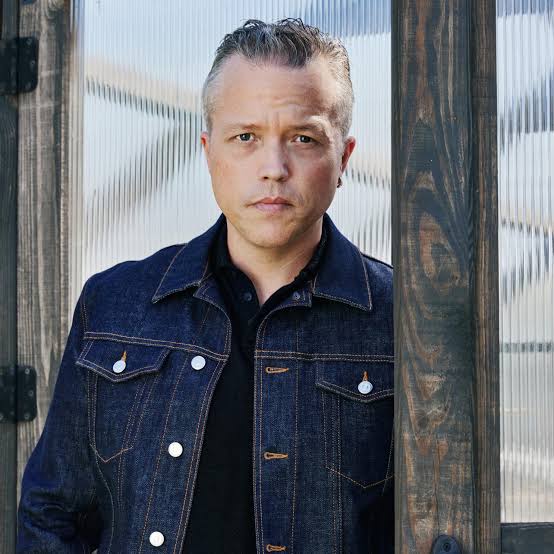
The plaintiffs argue that Suno’s software does not merely copy files, but distills and exploits the distinct identifying attributes of human creators. “Jason Isbell’s musical identity does not cease to be his property merely because sophisticated technology is involved,” the lawsuit states, targeting how the platform processes vocal styles and artistic performance signatures.
For its part, Suno has publicly called the claims “without merit,” stating that its platform blocks prompts for specific artist names or direct copyrighted titles to ensure users generate original work.
Global Invasions and “AI Slop”
The legal fallout is stretching well beyond American borders and traditional streaming formats:
The Canadian Frontier: The Society of Composers, Authors and Music Publishers of Canada (SOCAN) launched a massive lawsuit against Suno, seeking $10 million in damages and $20,000 per infringed work. SOCAN identified 150 Suno-generated tracks that are virtually identical to the works of iconic Canadian artists like Joni Mitchell and The Weeknd.
The War on “Bot Farms”: Universal Music Group filed a distinct lawsuit against digital distributor DistroKid, accusing the service of failing to screen out “AI slop” and unlicensed content. UMG pointed to automated accounts like “Lofi Chill,” which flooded the platform with 4,562 tracks in a single year—a volume impossible for a human musician. UMG argues these bot-driven tracks syphon revenue and streams away from real, working artists.
International Precedents: In Germany, the national music rights society GEMA successfully sued OpenAI in a Munich court, securing a landmark ruling that the unlicensed use of protected musical works for training data violates European copyright law.
TThe Superstar AI Artists
Meanwhile, AI-generated musicians are racking up downloads and garnering mainstream media attention.
Xania Monet is a virtual R&B avatar who made history by becoming the first known AI artist to land a multimillion-dollar recording contract and break onto the Billboard airplay charts.

The Human Behind the Machine: Xania was created by Telisha “Nikki” Jones, a poet and designer from Mississippi. Jones writes all the lyrics based on deeply personal real-life experiences—such as losing her father at a young age—and feeds them into the generative music engine Suno to output the vocals and instrumentation.
Commercial Success: Her ballad “How Was I Supposed to Know?” went viral on TikTok, topped the Billboard R&B Digital Song Sales chart, and debuted at No. 30 on the Adult R&B Airplay chart.
The Record Deal: Following an intense industry bidding war, Hallwood Media signed Xania Monet to a $3 million record deal.
TaTa is a virtual musical artist developed under the strict creative supervision of legendary hip-hop producer Timbaland.
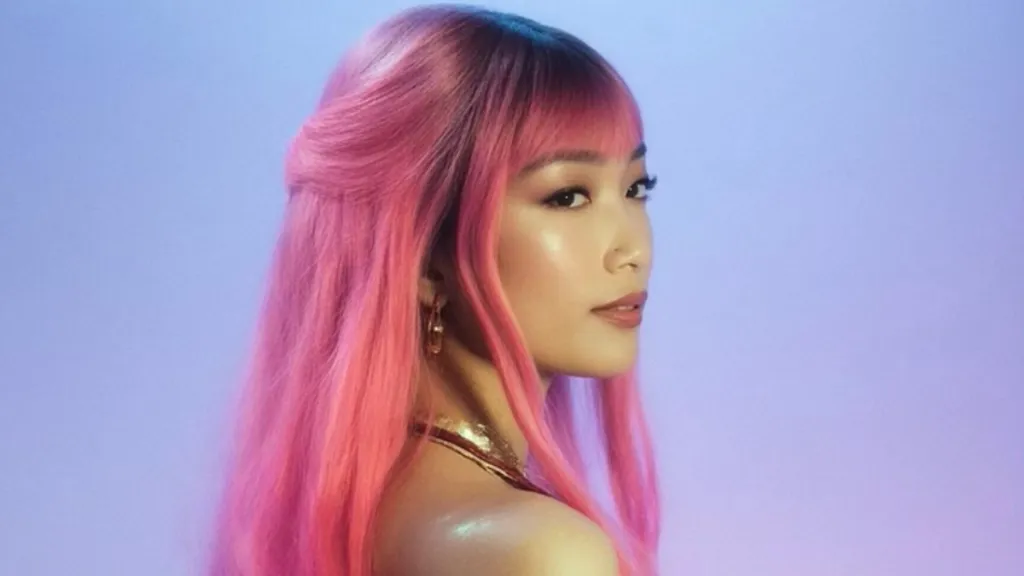
The Label Behind It: Timbaland launched an AI-focused entertainment company and record label called Stage Zero. TaTa was signed as the label’s very first virtual flagship artist.
The Concept: Similar to Xania Monet, TaTa maintains a distinct social media persona, releasing music videos and content generated by a suite of advanced AI audio and video tools. However, TaTa’s sonic foundation relies on Timbaland’s legendary oversight, blending machine generation with commercial hip-hop production standards.
Court-hearing the Future of Sound
The rapid proliferation of machine-made music has forced the industry’s legacy gatekeepers into an aggressive legal defense. Major record labels and advocacy groups like the Recording Industry Association of America (RIAA) are aggressively pursuing federal lawsuits against AI developers.
The core accusation: tech companies have built their highly profitable models by “scraping” millions of copyrighted human songs without consent, credit, or compensation.

Simultaneously, the widespread proliferation of unauthorized vocal deepfakes—which flawlessly mimic megastars—has triggered a fierce legislative push. Industry coalitions are lobbying for strict “AI” consumer labels on streaming apps, functioning similarly to explicit content stickers.
In response to the backlash, platforms like Deezer have initiated measures to tag synthetic tracks, while advanced screening tools are being deployed across distribution networks to detect and isolate hybrid music before it reaches mainstream editorial playlists.
The Human Premium
Paradoxically, the saturation of automated music has sparked an economic boom for physical human experience. While the digital recorded market faces hyper-fragmentation and falling per-stream values, the live touring sector has surged to historic highs.
Because a live concert relies on un-automatable human elements—the sweat of a live performance, session musicianship, and the shared energy of a crowd—audiences are paying premium prices for physical authenticity. In a world where the music on our phones can be generated by a machine, the value of a real human connection has never been higher.
As the industry navigates this uncharted territory, the line is being drawn between those fighting to preserve the human monopoly on art, and a new generation of creators building a hybrid future on the back of the algorithm.
Check This Out...
-
90s-2000s R&B Fans Are In For A Treat: A New Verzuz Battle Featuring Carl Thomas Vs. Case: Thursday, October 22 At 9:00 P.M.
-
The East Point News Rewind: The Dynamic Superiors Made History And Dazzled Audiences In The 1970s With Hit Songs–And A Lead Singer Who Wore Make-Up And Occasionally Performed In Drag
-
The East Point News Offers A New Feature To Readers: The East Point News REWIND. It Offers A Look At Unique Music And Entertainment Figures Who Quietly Impacted Both Entertainment And Culture
-
Legendary R&B And Soul Singer Freddie Jackson Dies, Shocking Longtime Fans: Jackson Turned 70 Years Old This Past Friday, Performed In Atlanta Two Weeks Ago
-
Actor And Comedian Reggie McFadden Dies At 57: McFadden Worked On “In Living Color”, “Def Comedy Jam” And More