
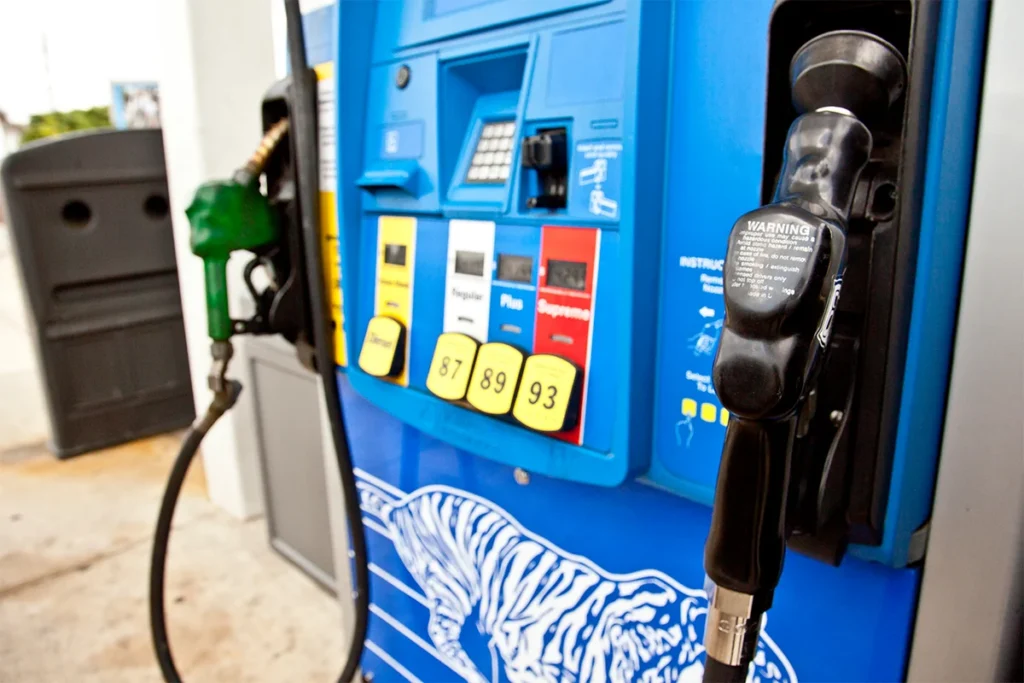
As the United States completed a third day of its latest military strike on Iran, consumers in Georgia are watching gas prices once again inch up, adding an unwelcome burden to households across the state that are already grappling with stubbornly high inflation.
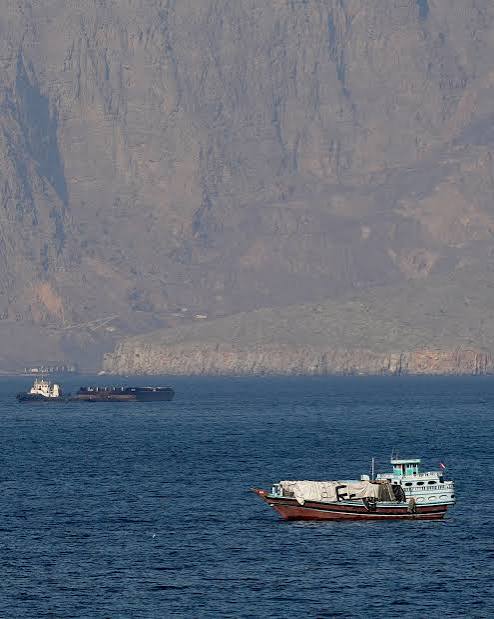
President Donald Trump has said the U.S. will “guard” the Strait Of Hormuz, where a large percentage of the world’s oil supply is derived. The U.S. launched the newest compliance effort after Iran refused to comply with a ceasefire in a war that has gone on for months longer than the weeks originally assured by the administration.
As the fighting intensifies, Iran has targeted U.S. assets in the region, prompting fears in the U.S. that American casualties could come.
And as the fighting goes on, prices go up for American consumers–in particular gas prices, which gradually decreased as the fighting waned. But as the fighting once again expands, prices are inching back up, causing Georgians to feel they are riding a petroleum seesaw.
Looking Back To The War’s Earlier Days
When military operations intensified earlier this year, crude oil benchmarks rapidly surpassed $100 per barrel. The primary driver behind this sudden spike was the effective closure of the Strait of Hormuz, a critical maritime chokepoint controlled by Iran that handles roughly 20% of the world’s daily oil supply.
The resulting supply bottleneck triggered immediate, dramatic reactions at Georgia pumps:
Following initial drone and missile strikes, Georgia experienced some of the sharpest weekly price surges in the nation, with averages jumping by more than 32 cents in a single week.
By late spring, regular fuel averages in Georgia surged past $4.00 per gallon, a threshold not seen since 2022. Some metro areas, such as Atlanta and Savannah, experienced even higher local averages.
The impact hit commercial transport even harder, pushing Georgia diesel prices to $5.11 per gallon, threatening the state’s vital logistics and agricultural supply chains.
Brief Relief: Policy Interventions and Tenuous Ceasefires
The market has not moved solely upward; periods of sharp decline have periodically broken the strain on consumers’ wallets. These downward shifts have been driven by localized tax relief and shifting geopolitical developments:
To counteract the initial price shock, Georgia Governor Brian Kemp suspended the state’s 33-cent-per-gallon gasoline tax and 37-cent diesel tax. This aggressive intervention briefly gave Georgia some of the lowest average fuel prices in the country.
Diplomatic breakthrough attempts and temporary ceasefire announcements under “Operation Epic Fury” have routinely cooled off the markets. Whenever headlines suggested a breakthrough or a potential reopening of the Strait of Hormuz, crude oil futures dropped, pulling Georgia’s statewide average down toward the $3.80 range.
Why the Relief is Temporary
Despite brief windows of lower prices, the relief has proven fragile. Market experts note that gas prices remain highly sensitive to a cycle of recurring volatility:
Even during diplomatic pauses, commercial shipping traffic through the Strait of Hormuz has remained severely depressed. Without a reliable resumption of global oil flows, structural supplies remain tight.
Any collapse in negotiations or resumption of military exchanges causes overnight spikes. For instance, a recent breakdown in ceasefire talks saw oil prices jump another 4% in a single evening, instantly reversing weeks of steady declines.
Secondary factors, such as Ukrainian drone strikes on Russian refineries, have further tightened the global fuel cushion, leaving local Georgia markets highly vulnerable to any new disruptions in the Middle East.
Looking Ahead
For Georgia drivers, the near-term outlook points to continued instability. Representatives from organizations like AAA emphasize that while the United States maintains a healthy domestic fuel supply, gasoline prices will remain tethered to global crude valuations. Until a permanent diplomatic or military resolution secures global shipping lanes, Georgians should expect the volatile up-and-down pattern at the pump to persist.
Check This Out...
-
Happening Tonight: East Point City Council Meeting
-
City Of East Point To Host Dog Party Sunday, October 25: City Themes Event As “Howl-O-Ween Pawty”
-
75 Year Old East Point Grandmother Who Was Shot While Passing Out Food Tells WSB-TV She Can’t Walk, Was In Rehab For Months; Yearns To Pass Out Food Again: “I Miss It Every Time I’m Supposed To Go Out”
-
East Point Water Department Wins Georgia Water Association Award (GAWP) For Third Consecutive Year
-
Six Charlotte Cops Face Termination Over Texts Allegedly Containing Text Message Thread Filled With Racial Slurs, Racial Profiling, And Police Brutality: Allegedly Competed To Pull Over The Most Black Drivers: Texts Came To Light Amid Flock Camera Misuse Investigation